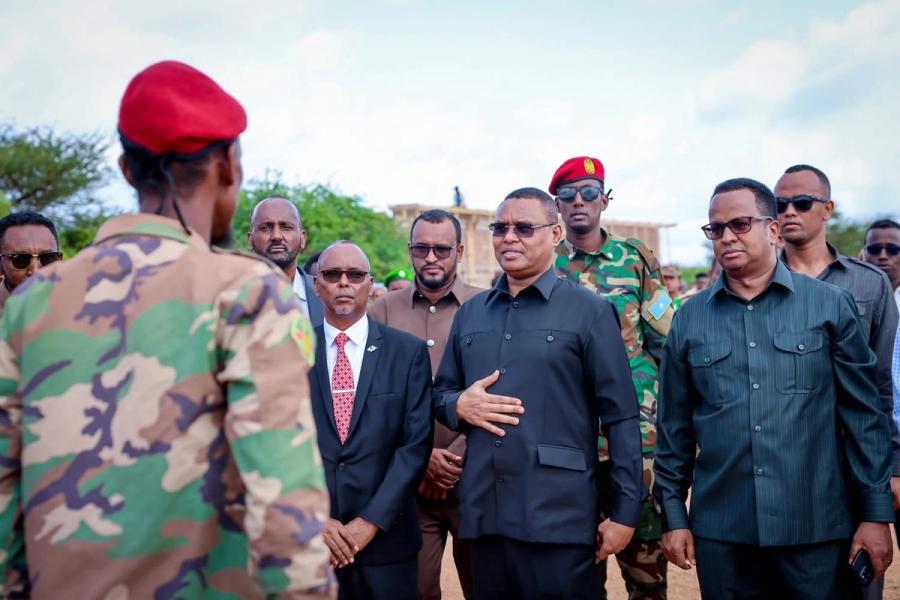
Nairobi , Kenya — June 29, 2026 — Kenyan authorities have reportedly denied entry to Somalia’s Second Deputy Prime Minister, Jibril Abdirashid, according to security and political sources, in a development that could attract attention in both Nairobi and Mogadishu amid ongoing political and security challenges in the Horn of Africa.
Sources familiar with the matter told local media that the senior Somali official was turned back after attempting to enter Kenya in recent days. The reported incident has not been independently verified, and neither the Kenyan nor Somali governments have publicly confirmed the claims.
According to security sources, Kenyan authorities cited concerns related to previous activities allegedly associated with the deputy prime minister, as well as questions surrounding a Kenyan passport that officials reportedly believe was obtained through irregular means.
No public statement has been issued by Kenyan authorities regarding the reported incident, while the office of the deputy prime minister has not publicly responded to the allegations. Attempts to obtain an official response were unsuccessful at the time of publication.
Allegations Surrounding Border Security
The reported travel restriction comes amid accusations from political and security sources that Jibril Abdirashid played a role in activities that critics say undermined stability in areas along the Somalia-Kenya border.
Critics and some security sources have accused the deputy prime minister of supporting efforts that facilitated the deployment of clan-affiliated armed groups in communities near the frontier between the two countries. The allegations have not been independently verified, and no official investigation findings have been made public.
The deputy prime minister has not publicly addressed the claims.
The Somalia-Kenya border remains one of the most sensitive security zones in the Horn of Africa, with both countries maintaining close cooperation on counterterrorism operations, border security, and efforts to combat cross-border criminal activity.
Claims Linked to Baidoa Unrest
The deputy prime minister has also faced accusations from political opponents and local sources regarding recent tensions in Baidoa, the administrative capital of Southwest State.
According to those sources, he was among federal officials accused of contributing to political disputes that escalated into unrest in the city. Supporters of the federal government reject the allegations, arguing that political rivals have sought to blame Mogadishu for broader disagreements within Southwest State politics.
Independent verification of the claims has not been possible, and no publicly available evidence has been presented linking the deputy prime minister directly to the unrest.
Baidoa has experienced recurring political tensions in recent years as competing political groups and regional actors vie for influence within the administration.
Diplomatic observers note that Somalia and Kenya have strengthened cooperation in recent years on security, trade, migration, and regional diplomacy following periods of strained relations.
Any dispute involving a senior government official could therefore attract significant attention from policymakers and political stakeholders in both countries.
Kenya hosts a large Somali community and remains a key regional partner in security initiatives aimed at countering the threat posed by Al-Shabaab and other extremist groups operating in the region.
Relations between the two countries have periodically been affected by disagreements over border management, security cooperation, and political developments inside Somalia. Despite those challenges, both governments have continued to work together on issues of mutual concern.
The reports also emerge at a time of heightened political debate within Somalia, where disagreements over elections, constitutional arrangements, and relations between the federal government and regional administrations continue to dominate political discourse.
Against that backdrop, developments involving senior government officials often carry wider political and diplomatic significance.
Attention is now likely to focus on whether Kenyan authorities provide clarification regarding the reported incident and whether Somali officials publicly address the allegations surrounding the deputy prime minister.
Political analysts say any official confirmation could have implications for diplomatic engagement between the two neighboring countries and may intensify debate within Somalia’s political arena.
the reported denial of entry to a serving Somali deputy prime minister would represent an unusual diplomatic development between two countries that maintain close security and political ties.
The allegations concerning border security and political unrest are also likely to generate further scrutiny of Somalia’s internal political dynamics at a time when debates over governance, regional relations, and security remain at the forefront of national discussions.