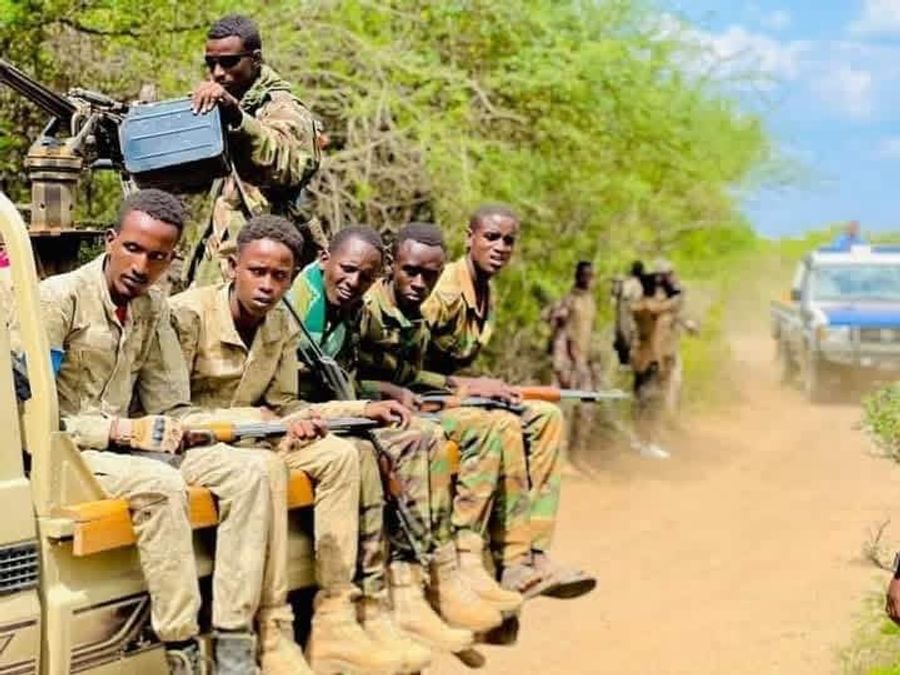
BAIDOA, Somalia — June 30, 2026 — A landmine explosion on the road linking Ceeldoon and Baidoa in Somalia’s Bay region injured a military officer identified as Nuurow and several soldiers traveling with him, according to security sources. The blast struck a vehicle carrying nearly 10 members of the Somali military, underscoring continuing security threats along key routes in southwestern Somalia.
Security sources said the explosion occurred on the road between Ceeldoon and Baidoa, an area frequently used by military personnel and civilian travelers.
According to local security officials, a vehicle carrying approximately 10 soldiers was hit by a roadside landmine. Among those injured was a military officer identified as Nuurow, who reportedly sustained serious wounds.
Witnesses in the area said the blast was powerful and could be heard from nearby locations. Residents reported seeing security personnel responding to the scene shortly after the explosion.
Authorities have not yet released an official statement detailing the exact number of casualties or the condition of all those injured. However, security sources indicated that Officer Nuurow was among the most seriously wounded in the incident.
No group immediately claimed responsibility for the attack.
Casualties and Humanitarian Impact
According to security sources, several soldiers were injured in the blast, though the exact number remains unclear.
The officer identified as Nuurow reportedly suffered severe injuries and was expected to receive urgent medical treatment. Officials have not publicly disclosed where the injured personnel were transported for care.
Local residents expressed concern about the continued use of roadside explosives on major roads connecting towns and villages in the Bay region. Such attacks often disrupt movement and create security risks for both military convoys and civilian vehicles.
Government and Security Response
Security forces reportedly moved to the area after the explosion to assess the situation and secure the road.
According to local sources, authorities began preliminary investigations into the incident, including efforts to determine how the explosive device was planted and who may have been responsible.
Somali security agencies have repeatedly warned about the threat posed by improvised explosive devices and landmines on roads used by government forces.
Officials had not announced any arrests linked to the explosion as of Tuesday evening.
Background to the Security Situation
The Bay region has experienced periodic attacks involving roadside bombs, ambushes, and other security incidents over the years.
Roads connecting Baidoa to surrounding districts and rural settlements have often been targeted by militants seeking to disrupt military operations and government activities.
Baidoa serves as the administrative capital of the South West State and hosts regional government institutions as well as security installations. The city remains strategically important for Somali government operations in southwestern Somalia.
Security analysts note that roadside explosive devices continue to be among the most commonly used tactics in attacks targeting military personnel and government officials across several parts of the country.
Previous incidents in the wider region have involved military convoys and government vehicles traveling between towns, highlighting the ongoing challenge of securing transportation routes.
Authorities are expected to continue investigating the circumstances surrounding the explosion.
Security officials may also conduct additional operations along the Ceeldoon-Baidoa corridor to identify potential threats and prevent further attacks.
Further information regarding the condition of the injured soldiers and Officer Nuurow is expected once officials complete their initial assessments and release verified details.
The attack highlights the persistent security challenges facing Somali forces operating outside major urban centers. Even as military operations continue in various regions, roadside explosive devices remain a significant threat to troop movements.
The incident also raises concerns about the safety of key transportation routes used by both security personnel and civilians. Frequent attacks can disrupt trade, travel, and humanitarian access in affected areas.
For local communities, such incidents contribute to insecurity and can affect economic activity by discouraging movement between towns and rural settlements.