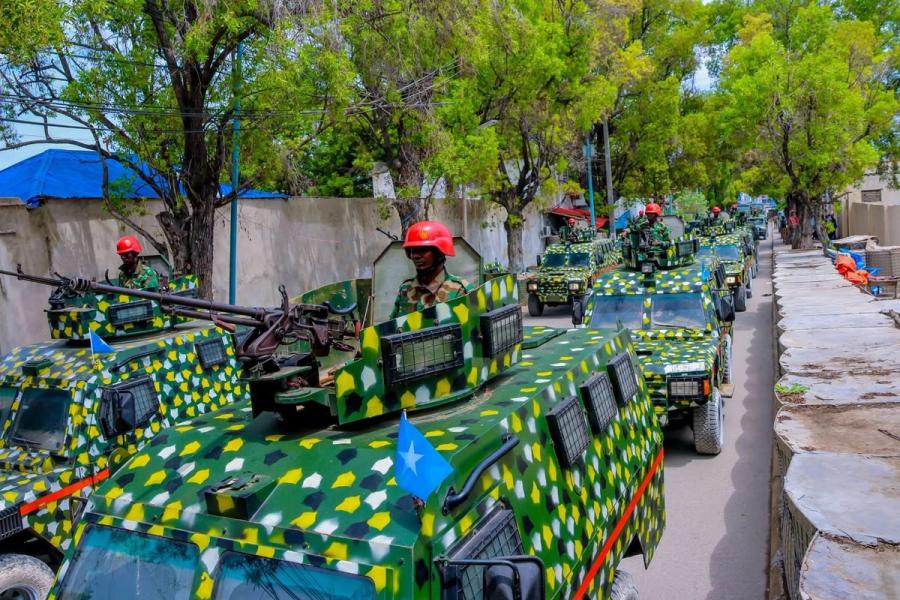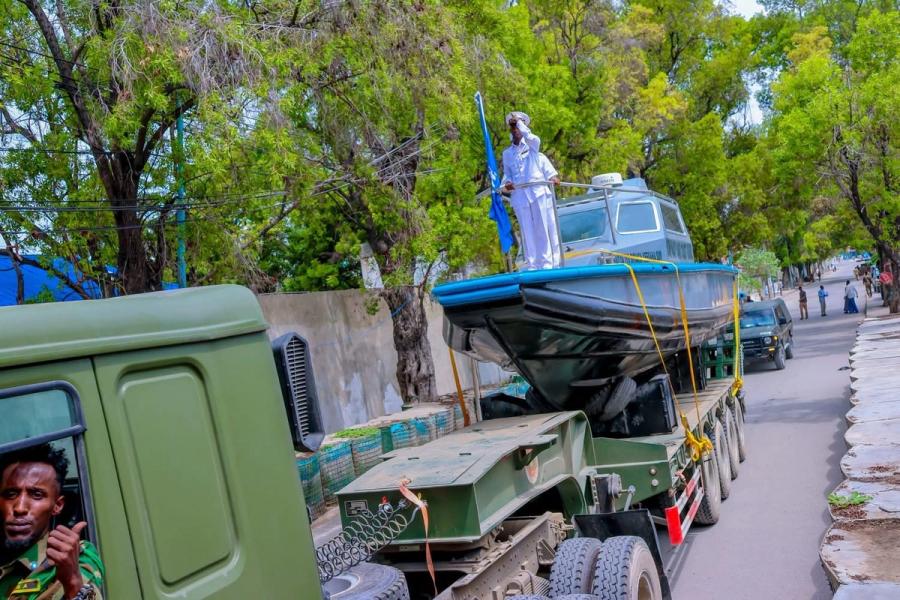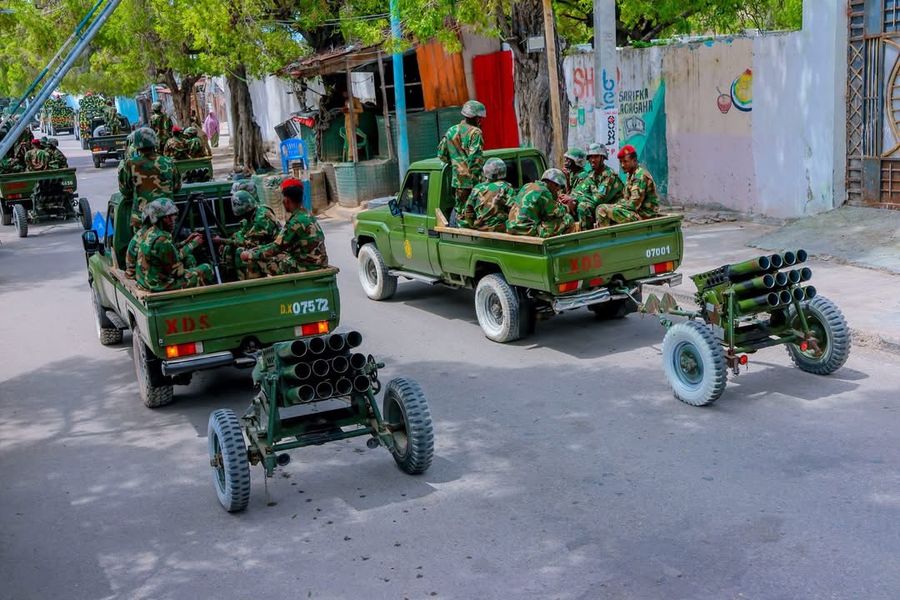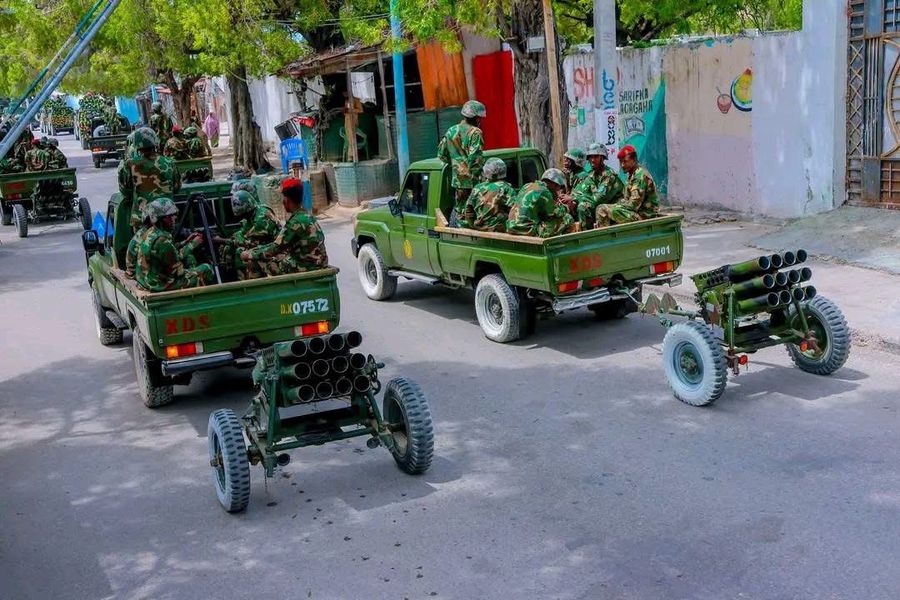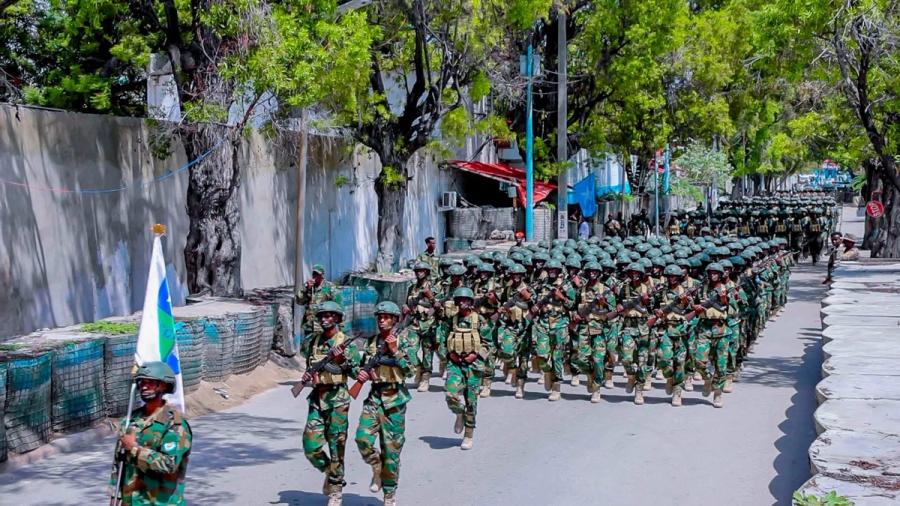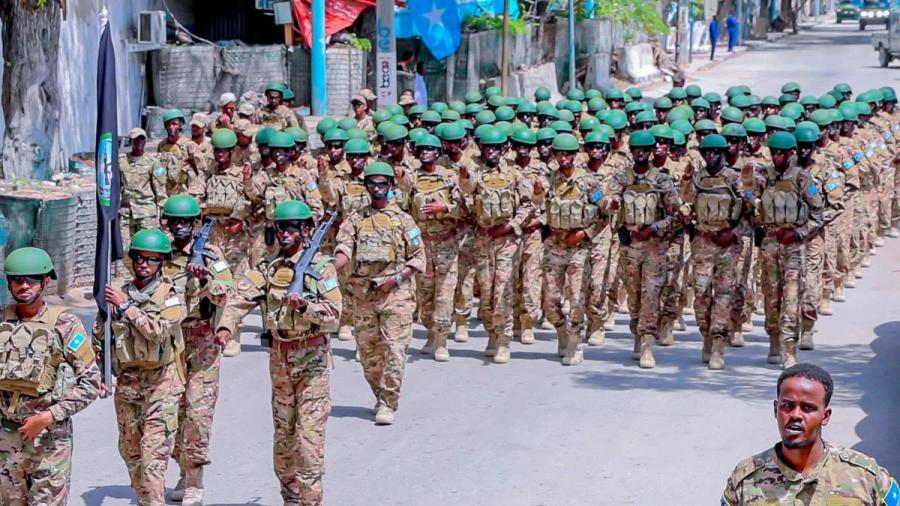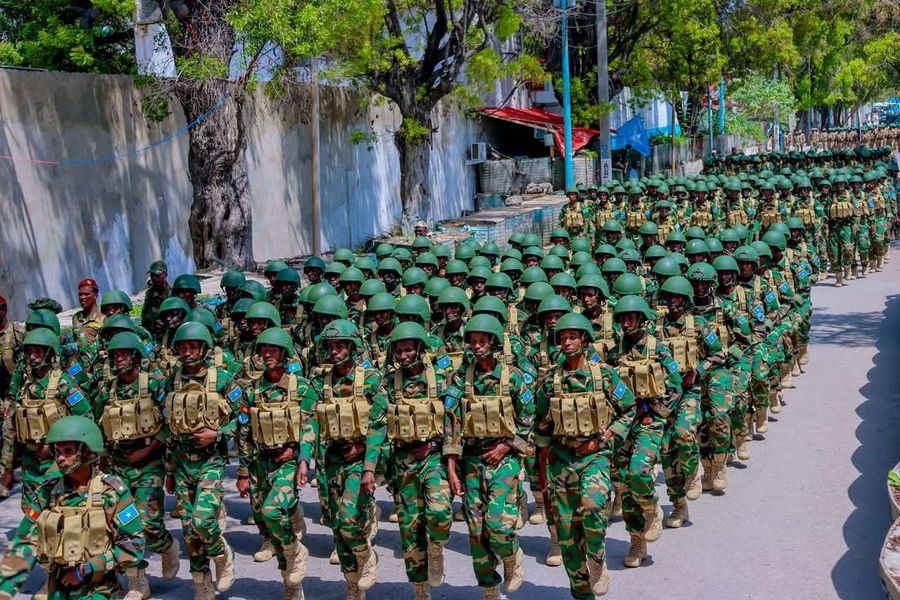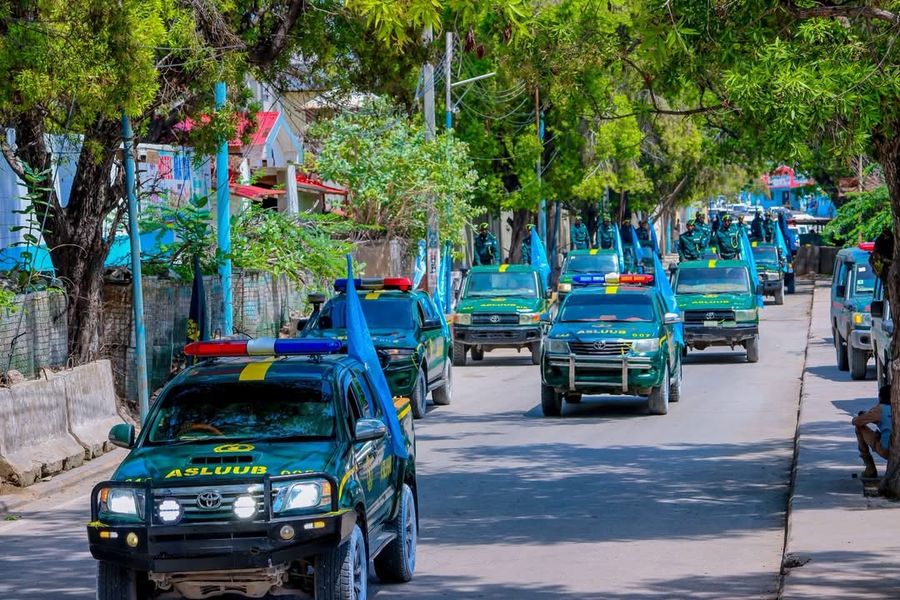
MOGADISHU, Somalia — July 1, 2026 —Somalia is marking its Independence Day on July 1 with nationwide celebrations commemorating the 1960 unification of British Somaliland and Italian Somaliland. The occasion comes as national leaders call for unity and stability, while the country continues to face political disagreements, constitutional uncertainty, federal-state tensions, and economic pressures affecting governance and public services.
Across Somalia, including the capital Mogadishu and major regional cities, flag-raising ceremonies, cultural performances, and public gatherings are taking place to celebrate the 66th anniversary of independence. According to government officials, the events are intended to promote national identity and honor the historic unification that led to the formation of the Somali Republic in 1960.
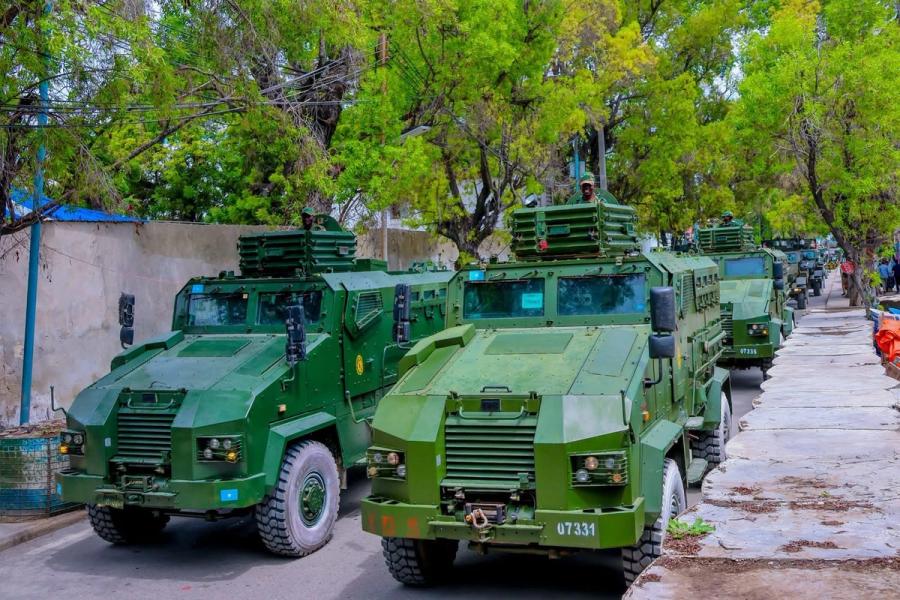
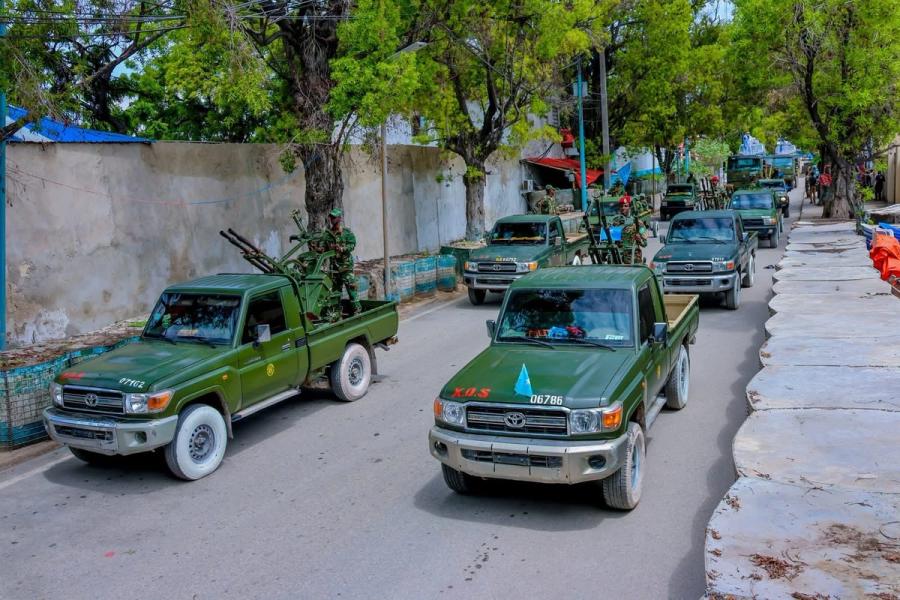
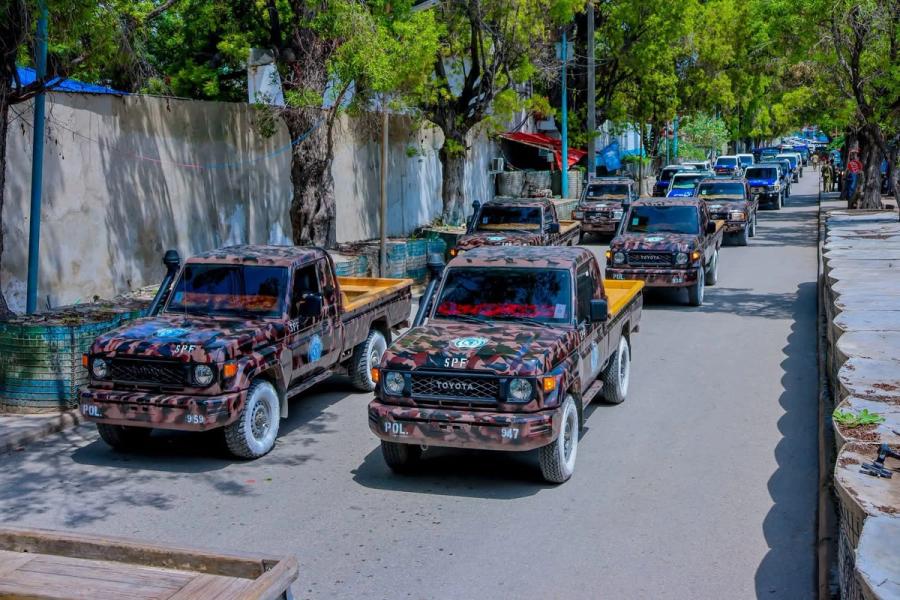
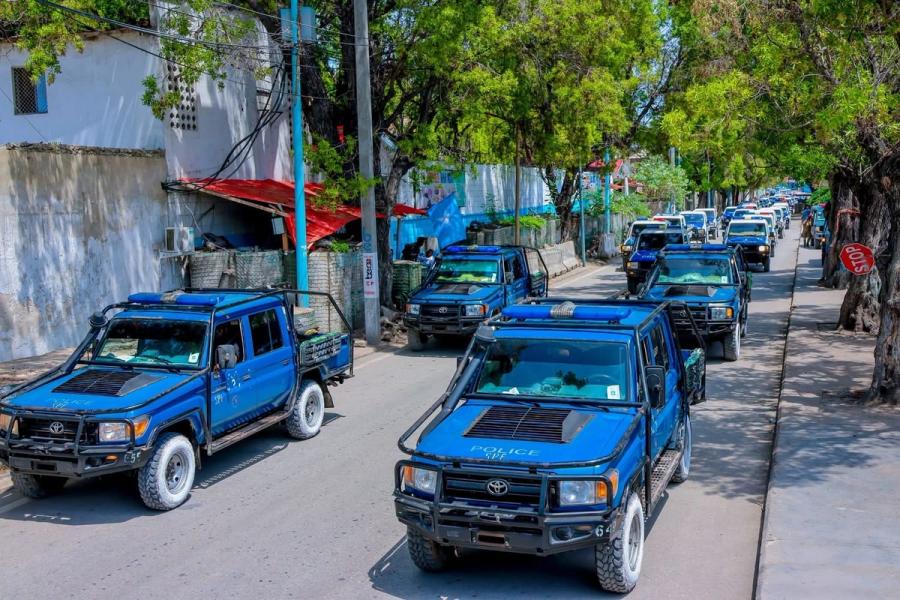
According to state media and local authorities, senior government officials are expected to deliver speeches emphasizing unity, sovereignty, and resilience amid ongoing national challenges. Security has been tightened in key public areas in Mogadishu as authorities seek to ensure peaceful celebrations.
However, the Independence Day celebrations come at a politically sensitive moment. According to political leaders and analysts, Somalia is currently experiencing heightened constitutional disputes and disagreements between the federal government and several federal member states over power-sharing arrangements, electoral frameworks, and resource allocation.
According to parliamentary sources and political observers, one of the central points of contention remains the constitutional review process, which has faced repeated delays and disagreements among stakeholders. These tensions have contributed to uncertainty over governance structures and institutional responsibilities.
At the same time, opposition figures and some regional state officials have raised concerns over the federal political calendar, including debates surrounding the presidential term, which is scheduled to conclude on May 15, 2026. According to political representatives, there is no broad consensus on the electoral transition framework, adding to political uncertainty at the national level.
According to economic analysts and business community representatives, Somalia is also facing ongoing economic pressures, including currency instability, high living costs, and limited fiscal capacity of state institutions. These challenges have been linked to reduced public service delivery and reliance on international assistance.
Despite these difficulties, government officials have called for calm and national cohesion during Independence Day commemorations. According to officials, the celebrations are intended to reinforce unity and encourage collective efforts toward peacebuilding, development, and institutional reform.
Somalia gained independence on July 1, 1960, when British Somaliland in the north and Italian-administered Somaliland in the south united to form the Somali Republic. The unification was widely celebrated as a major milestone in Africa’s decolonization movement and the establishment of Somali sovereignty.
In the decades following independence, Somalia has experienced prolonged periods of political instability, civil conflict, and state reconstruction efforts. Since the establishment of the federal system, the country has worked to rebuild institutions and balance power between the federal government and member states.
In recent years, constitutional reform has remained a central political issue, with discussions focusing on finalizing a permanent constitution and clarifying the division of authority between federal and regional administrations. According to lawmakers and constitutional experts, progress has been slow due to disagreements among key political actors.
Security concerns, humanitarian challenges, and climate-related shocks have also continued to affect governance and economic development across the country, placing additional pressure on state institutions.
Independence Day remains one of Somalia’s most significant national events, symbolizing unity and statehood. However, the current political environment highlights ongoing challenges in completing state-building processes more than six decades after independence.
The constitutional disputes and federal-state disagreements underscore unresolved questions about governance authority and political accountability. According to political analysts, these issues continue to affect institutional stability and public trust in state structures.
The uncertainty surrounding electoral timelines and leadership transitions adds another layer of complexity. With the presidential term set to conclude in 2026, differing interpretations of the political roadmap may shape upcoming negotiations among federal actors.
Economically, continued pressures on households and public finances remain a concern. According to economic observers, weak fiscal capacity and reliance on external support limit the government’s ability to respond effectively to social and infrastructure needs.
As Somalia celebrates independence, the contrast between national symbolism and ongoing political challenges highlights the continued importance of dialogue and institutional reform in shaping the country’s future.