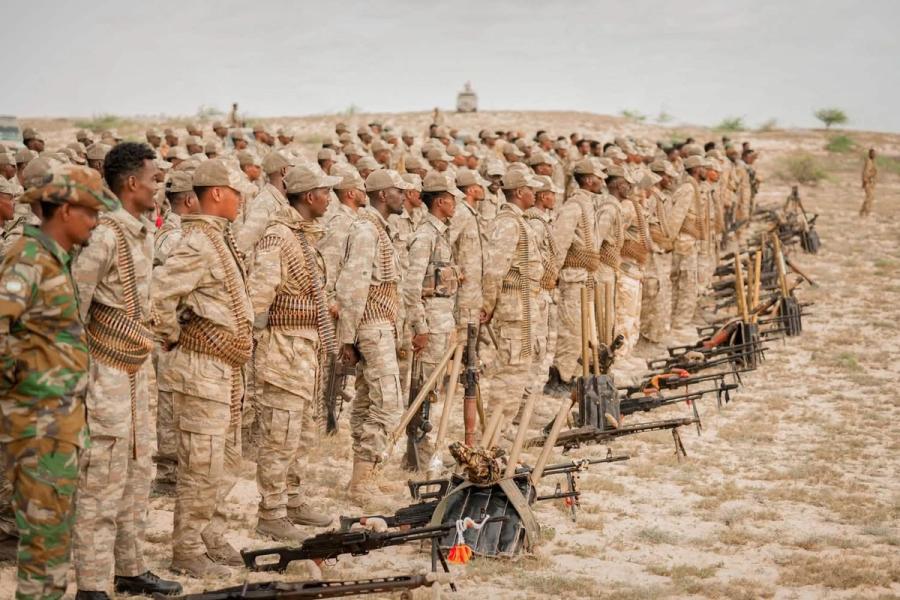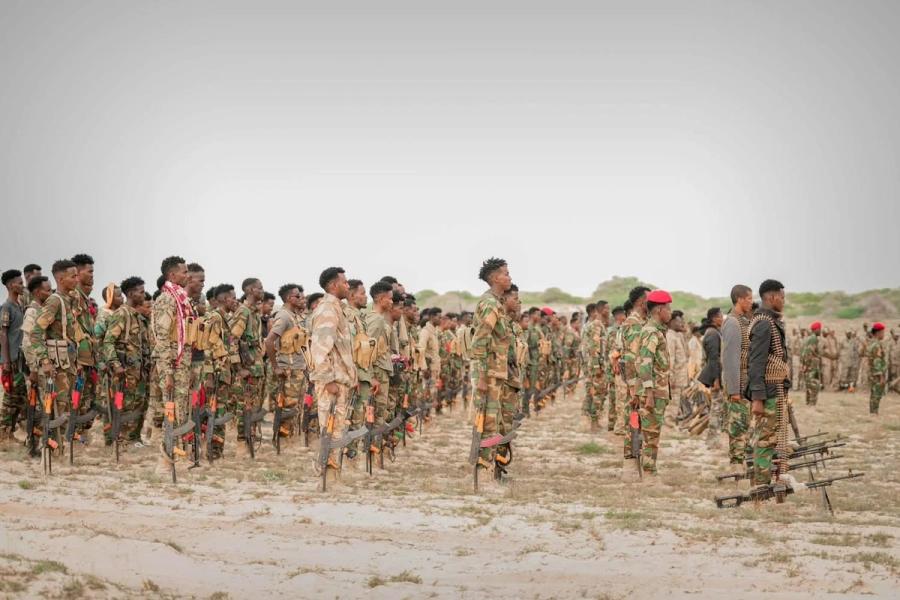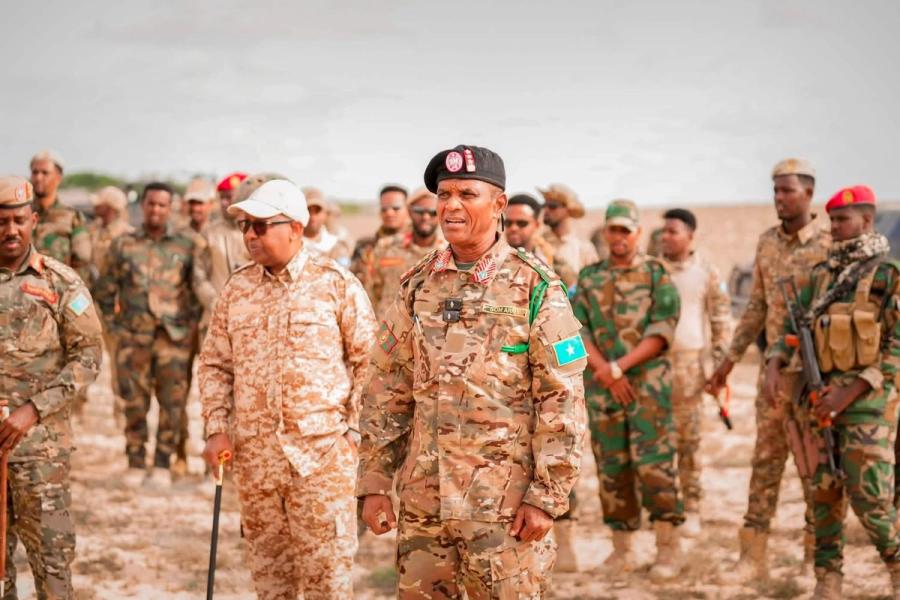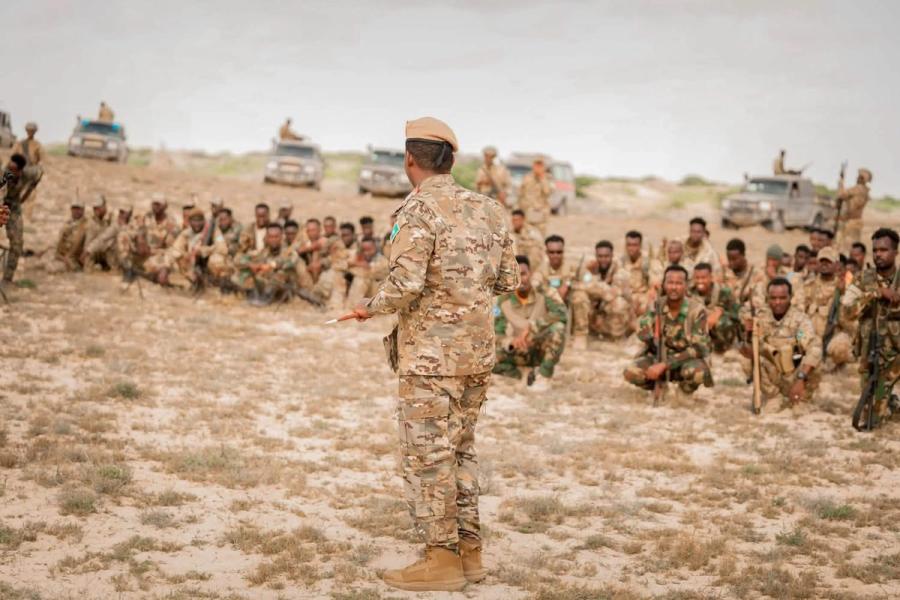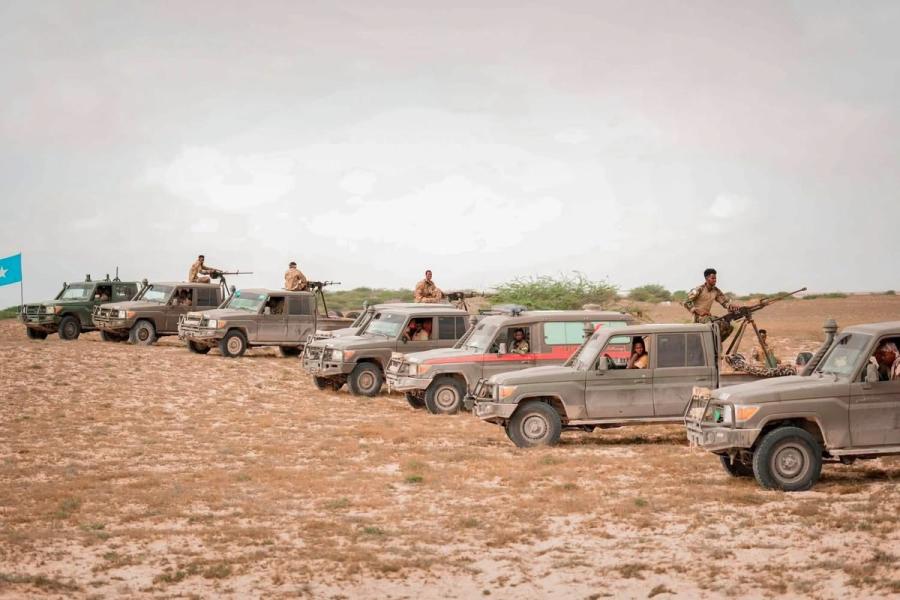
MOGADISHU, Somalia — July 5, 2026 — Somalia is reportedly preparing a new military offensive against the militant group Al-Shabaab, according to security sources, following a series of mixed battlefield outcomes since 2022. The planned operation comes after earlier government-led offensives initially reclaimed territory but were later followed by reported insurgent reversals in central Somalia, raising questions about long-term security gains.
Latest Developments
Security sources say Somali federal authorities are preparing a coordinated nationwide military campaign expected in July 2026, targeting Al-Shabaab positions in central and southern Somalia.
According to these sources, the planning follows renewed concerns over militant mobility in rural areas, particularly in Hiraan and Middle Shabelle regions, where control has shifted multiple times in recent years.
The Somali government has not officially confirmed the operation’s timing or scope. However, officials have repeatedly stated that counterinsurgency operations remain ongoing, supported by international partners including African Union forces and bilateral allies.
Recent international reporting highlights growing uncertainty around external support for Somalia’s stabilization mission. A Reuters report noted that the United States has decided to end support for UN logistical funding tied to the AU peacekeeping mission, raising concerns about future operational capacity.
Government Offensives Since 2022
Somalia launched a major counteroffensive in 2022 aimed at weakening Al-Shabaab’s rural control and securing key supply routes.
According to security analysts and field reporting, the 2022–2023 phase initially produced significant territorial gains, especially in parts of Hirshabelle and Galmudug. Government forces, supported by local militias and international air support, retook several towns and disrupted militant networks.
A renewed push in 2025, often described in conflict reporting as part of a broader escalation, saw Somali forces and allied militias again attempting to secure central regions. However, the campaign became stretched across multiple fronts, with limited capacity for long-term stabilization in recaptured areas.
How Al-Shabaab Regained Territory
By late 2024 and through 2025, multiple conflict analyses indicate that Al-Shabaab adapted to the government’s offensive strategy by shifting tactics toward mobility, surprise attacks, and rural re-infiltration.
Reports from conflict monitoring groups show that after initial government advances, militant forces regrouped in remote districts and gradually reasserted influence in contested zones, particularly in Hiraan and Lower Shabelle regions.
Security assessments suggest several key factors behind the reversals:
- Overextended government forces holding large areas without sufficient logistics
- Weak consolidation in recaptured towns, leaving security gaps
- Fragmented coordination between federal troops, regional forces, and local militias
- Insurgent adaptability, including withdrawal-and-return tactics in rural districts
By mid-2025, analysts described the conflict as a “contested equilibrium,” where neither side maintained stable long-term control over key rural corridors.
Current Security Situation
According to security monitoring reports, Al-Shabaab continues to maintain influence across large parts of rural south-central Somalia, using road networks, taxation systems, and localized governance structures in areas outside government control.
Recent assessments also indicate that the group has maintained pressure on strategic supply routes linking Mogadishu to central regions, increasing operational strain on government logistics.
Analysts warn that recurring territorial shifts have created a pattern where gains made during offensives are often difficult to sustain without parallel governance and stabilization efforts.
What the 2026 Offensive Could Bring
Security observers say a new Somali offensive in 2026 would likely focus on re-securing central regions and disrupting militant control of rural supply corridors.
However, analysts caution that similar operations since 2022 have shown a recurring pattern: initial advances followed by partial reversals when holding forces are stretched thin or when local governance structures fail to consolidate control.
Key expected challenges include:
- Sustaining control after territorial gains
- Securing rural supply routes and infrastructure
- Coordinating federal forces with regional militias
- Managing humanitarian displacement during active operations
Some security experts argue that without long-term stabilization planning, a new offensive could again result in temporary territorial changes rather than permanent control shifts.
Al-Shabaab has been active in Somalia for more than a decade, emerging from the broader civil conflict and later expanding into one of the region’s most resilient insurgent groups.
Since the early 2000s, the group has repeatedly expanded into central and southern Somalia during periods of political fragmentation, before being pushed back by combined Somali and international operations.
The 2022–2025 period marked one of the most sustained government attempts to reclaim rural territory in recent years. However, multiple conflict studies show that Somalia’s federal structure, logistical constraints, and shifting local alliances have complicated efforts to maintain long-term control in liberated areas.
International support, including African Union stabilization missions, has played a key role in Somalia’s security architecture. However, recent funding uncertainties have raised concerns about operational continuity.
The reported preparation of a new offensive highlights a recurring cycle in Somalia’s conflict: territorial gains followed by insurgent return in under-governed rural areas. This pattern reflects not only battlefield dynamics but also the challenge of consolidating control after military advances.
If the 2026 campaign proceeds, its outcome will likely depend less on battlefield victories and more on whether government forces can establish durable administration, security, and services in recovered districts.
The reported reduction in external funding for peace support operations adds another layer of uncertainty, potentially affecting logistics, mobility, and coordination between Somali forces and international partners.
For civilians, renewed offensives typically raise risks of displacement and disruption of livelihoods, particularly in central Somalia where communities often shift between competing authorities.