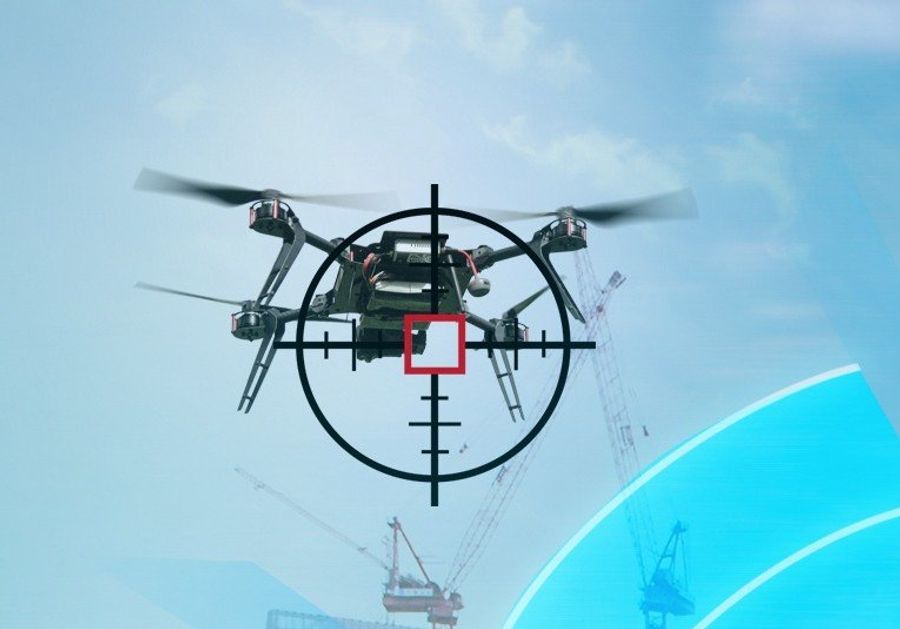
MOGADISHU, Somalia — Sept. 4, 2026 — Reports that Turkish-operated drones have encountered electronic interference in southern Somalia are drawing renewed attention after a disputed strike in Doolow triggered accusations over the use of foreign military capabilities in Somalia’s internal political conflicts.
Several months ago, Turkish personnel based in Mogadishu reportedly raised concerns that Bayraktar TB2 and Akıncı unmanned aircraft were experiencing interference following the suspected deployment of electronic equipment in southern Somalia, according to accounts provided by sources familiar with the matter.
The sources said Turkish personnel privately suspected that one or more foreign states could be connected to the reported interference. They did not identify any country or provide technical evidence establishing the source of the disruption.
The presence of the alleged equipment, its capabilities and the identity of its operator could not be independently verified. Türkiye and Somalia’s federal government have not publicly confirmed that Turkish drones encountered hostile electronic jamming in the country.
Doolow Strike Brings New Scrutiny
The reports have gained new significance following an explosion at the Doolow residence of former Somali Custodial Corps commander Gen. Mahad Abdirahman Aden, widely known as Mahad Shub, on the night of Sept. 3.
Jubaland authorities and several Somali opposition figures accused Turkish aircraft of carrying out the reported strike. Türkiye has not publicly acknowledged conducting the operation, and no independently verified evidence identifying the aircraft or its operator has been released.
Somalia’s federal government denied involvement in the incident, adding to sharply conflicting accounts over what happened and who authorised any operation.
The reported target survived, according to local media and statements from Somali political leaders. Accounts of other casualties and damage have varied, and no independently confirmed casualty assessment was immediately available.
The dispute has prompted calls for an independent investigation capable of examining physical evidence, flight activity, radar information and the chain of command behind the reported operation.
Questions Over Electronic Interference
Electronic-warfare systems can disrupt the navigation, positioning or communications links used by unmanned aircraft. Interference alone, however, does not establish that a deliberate jamming attack occurred or identify who may have caused it.
Technical specialists would need access to flight logs, affected frequencies, telemetry records and other operational data to determine whether the reported disruption resulted from hostile equipment, environmental conditions, technical failure or another source.
Somalia is not publicly known to operate a domestically developed electronic-warfare system capable of consistently disrupting advanced military drones. That does not prove the involvement of a foreign government, and the available accounts provide no conclusive evidence supporting such attribution.
The TB2 and Akıncı are advanced unmanned aircraft developed by Turkish defence company Baykar. Turkish authorities describe the Akıncı as a higher-capacity combat drone designed for complex military missions, while official Turkish defence information says its unmanned systems can perform surveillance, reconnaissance, target acquisition and strikes.
Türkiye’s Expanding Security Role
Türkiye is one of Somalia’s most influential security and development partners. Its involvement includes military training, equipment, counterterrorism cooperation and support for Somali state institutions.
The partnership expanded further under a 10-year defence and economic cooperation agreement signed in February 2024 and approved by Somalia’s government and parliament. The agreement commits Türkiye to help build, train and equip the Somali navy while supporting maritime security.
Turkish assistance has generally been presented as support for Somalia’s security forces and their operations against Al-Shabaab. Allegations that Turkish military capabilities may have been used against Somali political or regional actors would mark a sensitive departure from that publicly stated counterterrorism role if independently established.
No verified information currently demonstrates that Türkiye has redirected its military partnership towards Somalia’s domestic political confrontations.
An independent inquiry into the Doolow incident could clarify the weapon used, the aircraft involved and the authority under which the alleged operation was conducted. A separate technical examination would be required to assess the reports of electronic interference affecting Turkish drones.
Public responses from Türkiye and Somalia’s federal authorities regarding the jamming claims would also be necessary to establish whether any formal investigation is underway.
The allegations come as relations between Somalia’s federal authorities, Jubaland and rival political groups deteriorate. If foreign military technology becomes associated with internal political disputes, it could weaken confidence in international security partnerships and deepen federal-regional divisions.
Suspected electronic warfare would add another layer of risk. Any undeclared contest involving drones, counter-drone equipment and foreign intelligence support could increase the possibility of miscalculation and civilian harm.
Somalia’s position near the Gulf of Aden and major Red Sea shipping routes has attracted strong regional and international interest. Without transparent rules governing foreign military activity, domestic disputes could become increasingly connected to competition among outside powers.