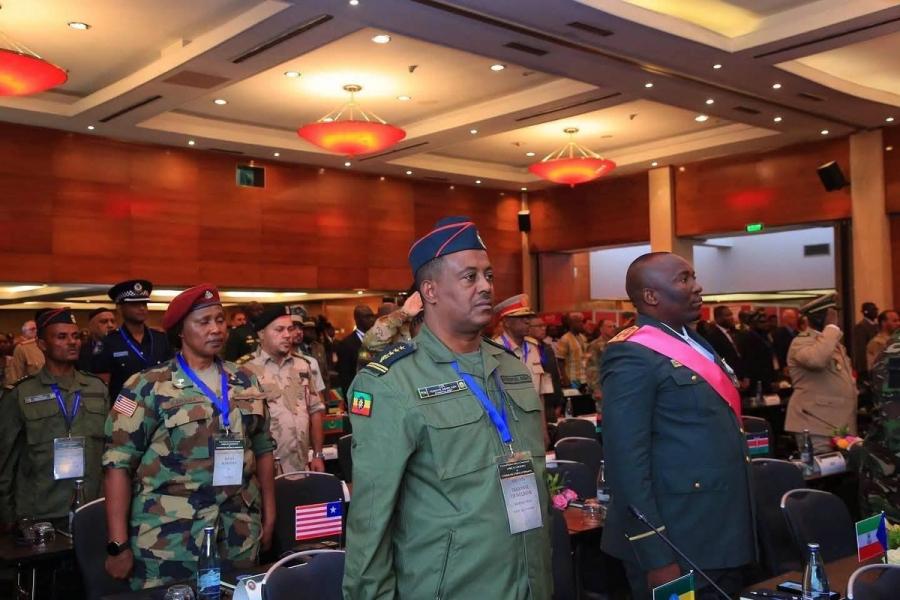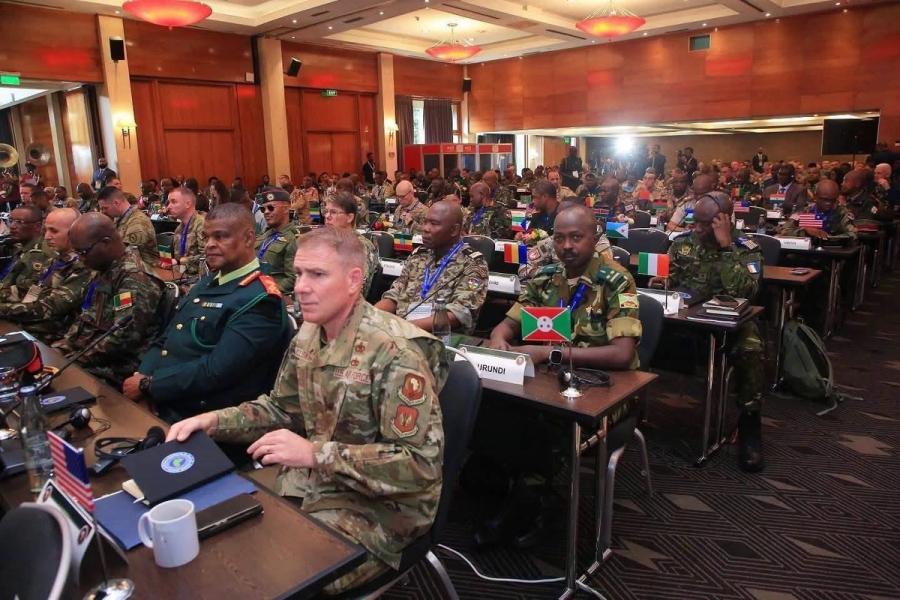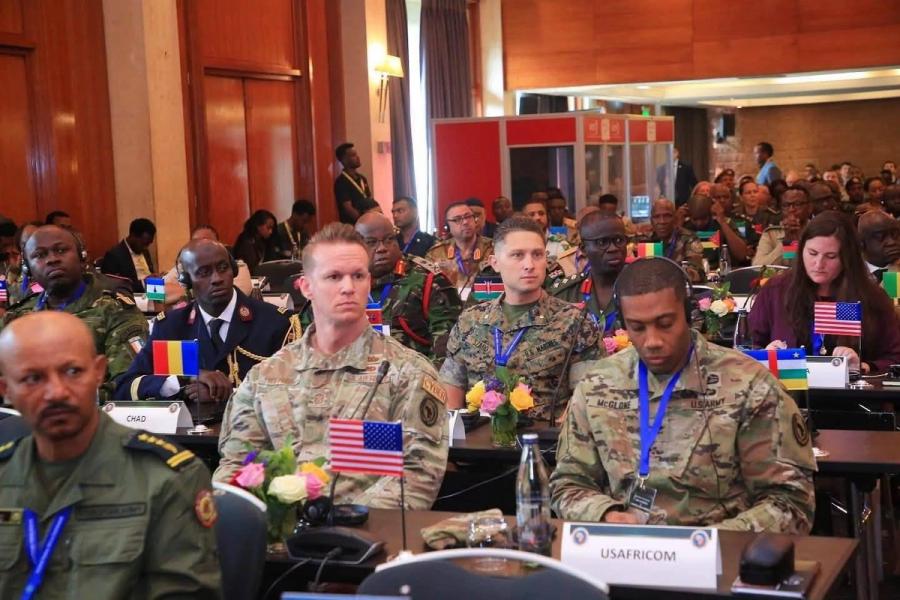
MOGADISHU, Somalia — July 27, 2026 — Senior U.S. officials have unveiled a new Africa security strategy focused on military logistics, defense communications and regional cooperation during the African Logistics Communications Symposium (ALCS) in Addis Ababa, Ethiopia. The initiative, led by AFRICOM officials, comes as Washington seeks to strengthen security partnerships across the continent amid concerns over the growing capabilities of armed groups.
AFRICOM Introduces New U.S. Military Logistics Strategy in Africa at Addis Ababa Summit
Senior American officials attending the African Logistics Communications Symposium (ALCS) in Addis Ababa have outlined a new approach by Washington aimed at expanding military cooperation, improving defense logistics systems and strengthening security partnerships with African countries.
The strategy presented during the conference focuses on military supply chains, secure communications, cooperation between armed forces, defense training and what U.S. officials described as broader economic partnerships linked to security development.
The symposium brought together representatives from the United States and African partner countries to discuss the role of logistics and communications in supporting military operations and regional security efforts.
U.S. Ambassador to Ethiopia Ervin J. Massinga said Washington wants to work with African countries as equal partners while supporting priorities established by those governments.
According to Ambassador Massinga, U.S. cooperation will focus on strengthening security institutions, improving military training programs and supporting effective defense procurement systems.
AFRICOM Commander Highlights Importance of Logistics
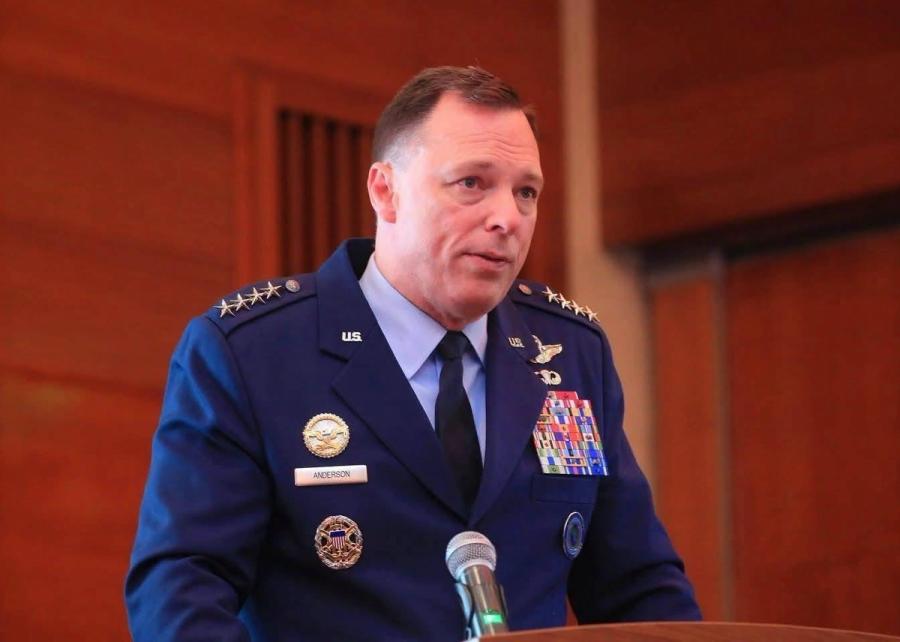
AFRICOM Commander General Dagvin Anderson said during the symposium that logistics and communications form the foundation of any effective military force.
General Anderson explained that advanced military equipment cannot achieve its intended purpose without reliable maintenance systems, transportation networks and supporting infrastructure.
“Modern capabilities require modern logistics,” U.S. officials said during discussions at the event, emphasizing the importance of supply chains and operational support systems for military readiness.
The AFRICOM commander also acknowledged that armed groups described by the United States as terrorist organizations have increased their military capabilities in recent years.
His remarks came as Western governments continue to express concern about the evolving security threat posed by militant organizations in parts of Africa, including Al-Shabaab in Somalia.
U.S. Focus on East Africa Security Partnerships
The Addis Ababa conference is part of what U.S. officials describe as a broader adjustment in AFRICOM’s strategy across Africa, linking security cooperation with infrastructure development, trade partnerships and economic engagement.
Washington has been strengthening security relations with countries in East Africa, particularly Ethiopia and Kenya, as part of efforts to improve regional counterterrorism cooperation.
Officials said the United States has expanded joint military exercises with Kenya and increased engagement around strategic areas in the East African region.
The United States is also supporting infrastructure improvements at military facilities, including involvement in the development of a new runway at the Manda Bay military base in Kenya, according to officials familiar with the cooperation.
Manda Bay is considered a strategically important facility for U.S. and regional security operations in East Africa, particularly in efforts targeting extremist groups operating in Somalia and surrounding areas.
Background: U.S. Security Role in Somalia and East Africa
The United States has been one of the main international security partners supporting Somalia’s efforts against Al-Shabaab, providing military assistance, intelligence support, air operations and logistical assistance.
Washington has supported Somalia’s federal government and African Union-led security missions aimed at reducing the influence of Al-Shabaab, which has carried out attacks in Somalia and neighboring countries.
The latest AFRICOM discussions come after the United States informed the African Union earlier this month that it plans to end its logistical support for the African Union Support and Stabilization Mission in Somalia (AUSSOM) by the end of the year.
The decision has raised questions about the future of international support for Somalia’s security operations as African forces and Somali security institutions continue efforts to take greater responsibility for national security.
AUSSOM replaced the previous African Union mission in Somalia and remains a key component of international efforts to support Somali forces in the fight against Al-Shabaab.
The new AFRICOM strategy highlights the growing importance of military logistics, communication systems and regional partnerships in modern security operations across Africa.
For Somalia and other countries facing armed insurgencies, changes in international military support could affect future security planning, operational capabilities and coordination between national and international forces.
Security analysts have previously warned that maintaining effective operations against armed groups requires not only combat capabilities but also sustainable logistics, training, intelligence sharing and institutional development.
The United States’ renewed focus on logistics and defense partnerships suggests Washington intends to maintain strategic engagement in Africa while adjusting how security assistance is delivered.
African governments and international partners are expected to continue discussions on the future of security cooperation, particularly regarding military financing, logistics support and capacity building.
For Somalia, the future of international assistance, including support linked to AUSSOM and other security programs, is likely to remain a major issue as Somali forces continue operations against Al-Shabaab.