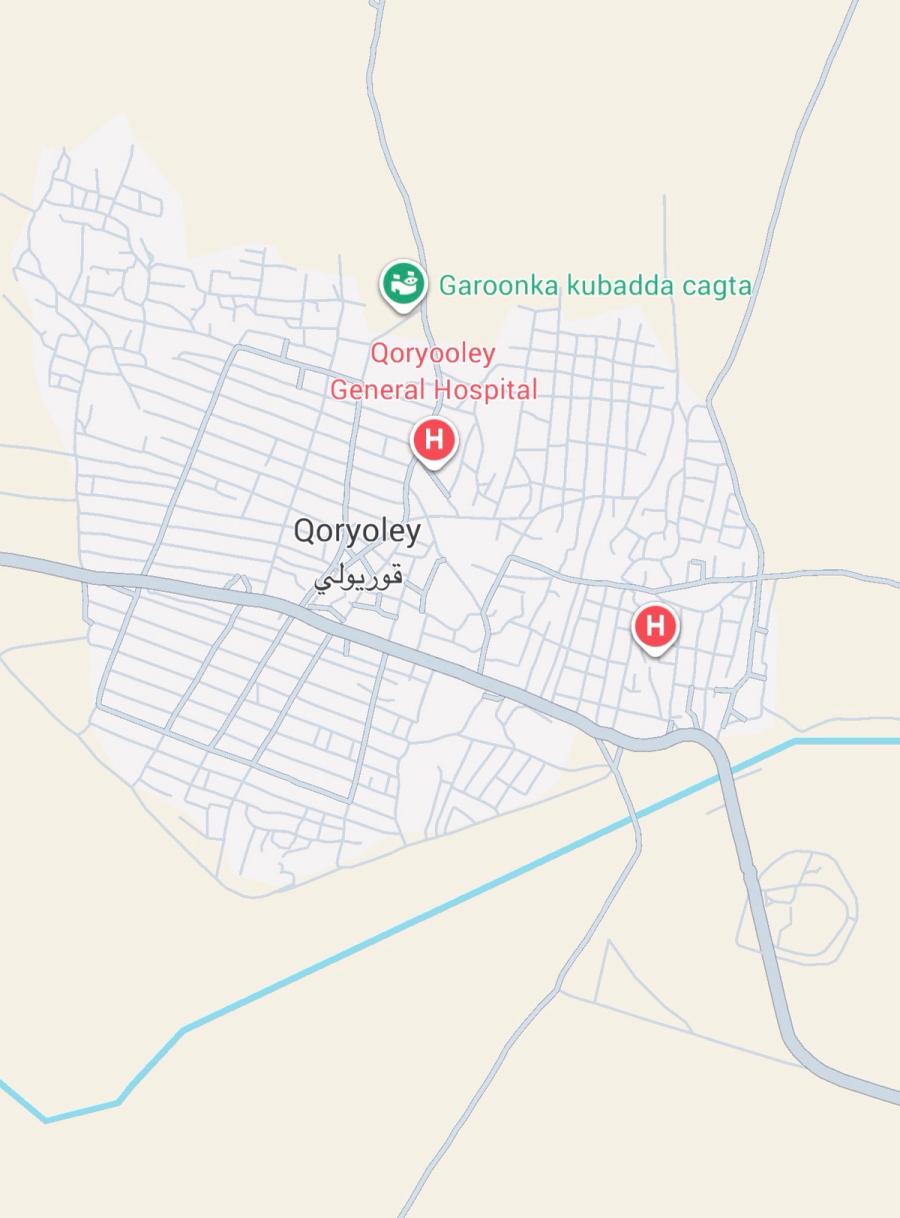
MOGADISHU, Somalia — July 5, 2026 — Security sources report that fighters from the group Al-Shabaab carried out coordinated attacks against military positions in Somalia’s Lower Shabelle region, targeting areas around Qoryooley, Janaale, and Danow. The attacks come amid continued instability in a region that has repeatedly changed control between government forces and militants over the past decade.
Latest Developments
Security sources and local residents say Al-Shabaab fighters launched organized assaults on Somali National Army positions and allied African Union-linked bases in parts of Lower Shabelle, including Qoryooley district, Janaale town, and the rural area of Danow.
According to local witnesses, the attackers used coordinated ground movements and targeted military checkpoints and forward bases. The full extent of casualties and damage has not been independently verified.
Ugandan troops, who form part of African Union peace support missions in Somalia, have historically been stationed in parts of Lower Shabelle, including Janaale and surrounding areas, though current deployment details remain limited in open reporting.
Officials from the Somali federal government have not yet issued a detailed statement on the latest reported attacks.
Casulaties and Humanitarian Impact
No independently confirmed casualty figures were immediately available at the time of reporting.
Local residents told security monitors that fighting in Lower Shabelle often leads to temporary displacement, disruption of farming activities, and road closures along key supply routes connecting Mogadishu to the south.
Humanitarian access in rural Lower Shabelle has historically been affected by recurring clashes and shifting frontlines between government forces and Al-Shabaab.
Government Response
The Federal Government of Somalia has previously stated that counterterrorism operations against Al-Shabaab remain ongoing across southern regions, including Lower Shabelle.
Military officials have in earlier statements emphasized coordination with local forces and international partners to secure strategic towns and rural corridors.
There was no immediate official confirmation of reinforcements or counter-operations following the latest reported attacks.
Lower Shabelle has been one of the most contested regions in Somalia’s long-running conflict with Al-Shabaab.
In 2014 and 2015, the region saw repeated offensives and counteroffensives. Qoryooley and Janaale changed control multiple times during heavy fighting between Somali National Army forces, African Union troops, and Al-Shabaab fighters.
One of the most significant incidents occurred in September 2015, when Al-Shabaab launched a large-scale assault on an African Union base in Janaale manned by Ugandan forces, following a pattern of coordinated car bombings and infantry attacks. The attack was widely reported as one of the group’s major operations in the region during that period.
Since then, Lower Shabelle has remained a key battleground due to its strategic importance, agricultural resources, and proximity to Mogadishu.
Danow and surrounding rural areas have also been part of repeated security operations, often used as transit routes or temporary holding areas during offensives by both sides.
The renewed attacks in Lower Shabelle highlight the continued strategic importance of the region in Somalia’s security conflict. Despite years of military operations, Al-Shabaab maintains the ability to conduct coordinated assaults on multiple locations simultaneously.
Past offensives in 2022 and subsequent operations initially pushed the group out of several rural areas. However, security analysts and local reporting have repeatedly noted that holding recaptured territory has been a major challenge for Somali forces.
Lower Shabelle remains critical because it connects Mogadishu to southern Somalia, making it essential for supply routes, trade, and military logistics. Persistent insecurity in this corridor directly affects national stability.