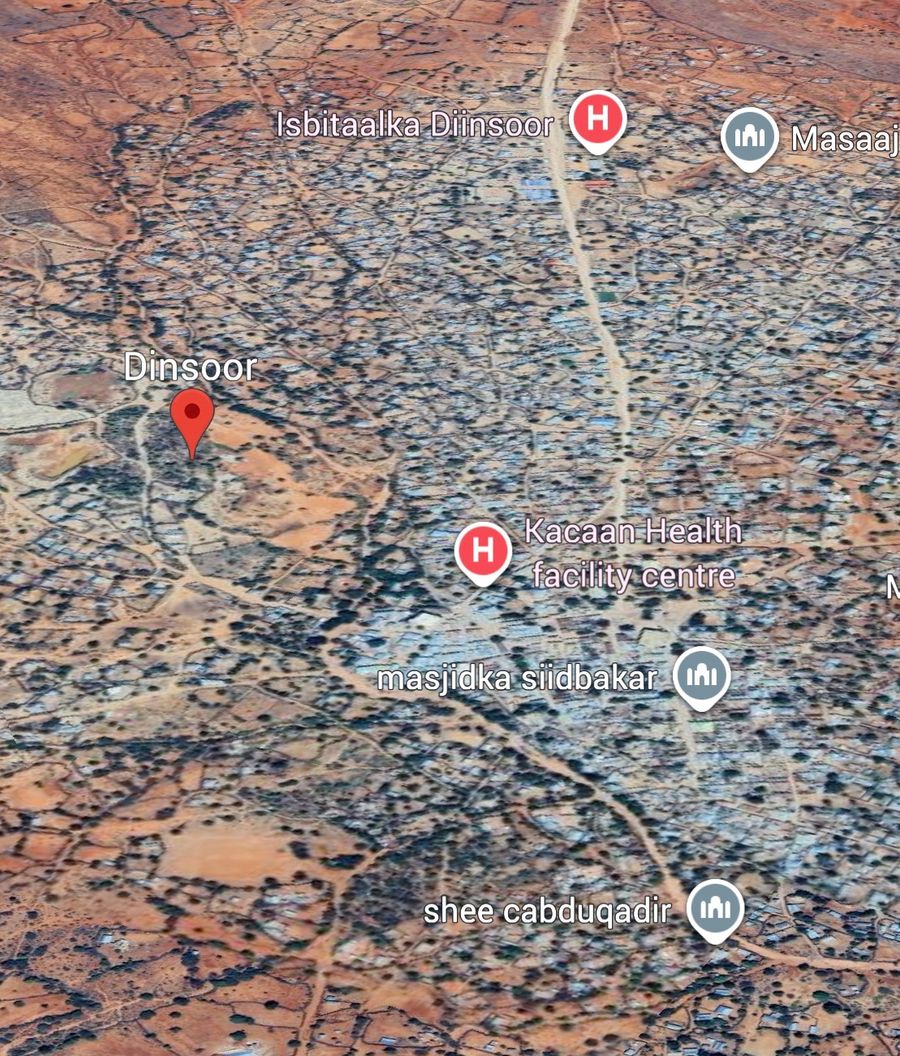
MOGADISHU, Somalia — July 5, 2026 — Two separate improvised explosive device (IED) explosions reportedly linked to Al-Shabaab fighters targeted government security positions in Mogadishu’s outskirts and Diinsoor town in Bay region earlier tonight, according to security sources and local officials. One government soldier was injured in Mogadishu, while security patrols were targeted during routine operations in Diinsoor.
Latest Developments
In the first incident, an IED detonated near the Jamaacadda Gaheyr area on the outskirts of Mogadishu, according to security sources. The explosion reportedly targeted a government security position operating in the area.
Security officials said the blast occurred at night, injuring at least one government soldier. The exact severity of the injury has not been independently verified.
In a separate incident in Diinsoor town, Bay region, another IED struck a government security patrol while it was conducting routine movements within the town, according to local and district officials.
Authorities in Diinsoor said security forces were on standard patrol duty when the explosion occurred. No immediate confirmation of casualties was available at the time of reporting.
Casualties and Humanitarian Impact
In Mogadishu, security sources reported that one government soldier sustained injuries following the explosion near the Gaheyr University area. Officials did not immediately release further details regarding the condition of the injured personnel.
In Diinsoor, local officials said government patrol units were the target of the blast, but casualty figures remain unclear. Independent verification of the impact on personnel or civilians has not yet been established.
Residents in both areas reported hearing loud explosions during the night, followed by heightened security activity.
Government Response
Authorities have not issued an official statement on either incident at the time of publication. Security operations in both Mogadishu’s outskirts and Diinsoor are expected to continue as investigations into the attacks proceed.
Security sources indicated that assessments are underway to determine the type of explosive devices used and whether additional security measures will be implemented in affected areas.
Al-Shabaab has carried out repeated IED attacks across Mogadishu and southern Somalia for years, often targeting government security forces, public roads, and administrative centers.
The area surrounding Jamaacadda Gaheyr on the outskirts of Mogadishu has previously experienced similar attacks, including roadside bombings targeting security convoys and checkpoints.
Diinsoor, in the Bay region, has also been a recurring flashpoint in Somalia’s ongoing conflict, with government forces and allied units frequently targeted by ambushes and improvised explosive devices during patrol operations.
Despite military operations against the group, Al-Shabaab continues to conduct asymmetric attacks, particularly using roadside bombs and targeted strikes on security personnel.
Security agencies are expected to investigate both incidents to determine responsibility, operational methods, and potential security gaps.
Increased patrols and checkpoints may be introduced in Mogadishu’s outskirts and Diinsoor town following the attacks, according to security observers.
Authorities are also likely to assess whether further preventive measures are needed in known high-risk zones where similar incidents have occurred in the past.
The coordinated timing of the two incidents highlights the continued operational reach of Al-Shabaab across both urban peripheries and regional towns in southern Somalia. The attacks demonstrate the group’s ongoing reliance on improvised explosive devices as a primary tactic against government forces.
In Mogadishu, even peripheral areas remain vulnerable, raising concerns about security containment around the capital’s outer zones. In Diinsoor, repeated targeting of patrol units suggests sustained pressure on local security operations.
The incidents also underline the challenges faced by Somali security forces in maintaining stable patrol routes and protecting movement corridors in contested regions.