BAIDOA, Somalia — July 2, 2026 —Al-Shabaab militants launched a series of coordinated attacks in southern Somalia, targeting government security positions in Baidoa and a Ugandan military base in Lower Shabelle, according to security sources and local residents. The attacks underscore the group’s continued ability to strike multiple locations despite ongoing military operations by Somali government forces and African Union troops.
The latest incidents were reported in Bay region and Lower Shabelle, two areas that have remained central to Somalia’s long-running conflict with the Al-Shabaab insurgency.
Latest Developments
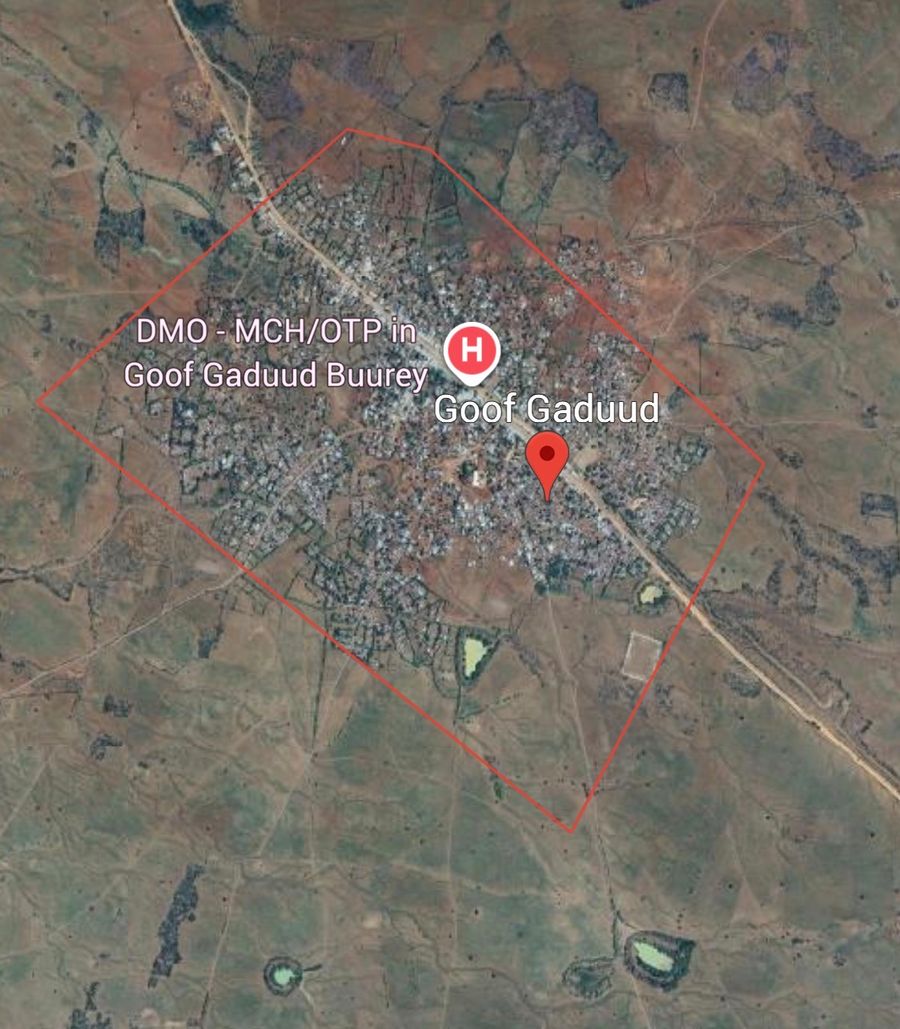
According to security sources, Al-Shabaab militants carried out an explosive attack against a government security forces position in Goofgaduud Buurey, a settlement located on the outskirts of Baydhabo, the administrative capital of the South West State.
The attack reportedly caused casualties among government troops, including deaths and injuries. However, authorities had not released official casualty figures by the time of publication.
Security officials familiar with the incident said emergency assessments were underway to determine the extent of the damage and the number of personnel affected.
In a separate incident inside Baidoa city, Al-Shabaab militants reportedly detonated an explosive device at a location where government security personnel were stationed.
Local residents reported hearing a loud explosion, followed by increased security activity in parts of the city. Information regarding casualties or material damage from the second attack remained unclear.
Meanwhile, in Lower Shabelle region, Al-Shabaab fighters launched a heavy overnight assault on a Ugandan military base located in the strategic town of Mubaarak.
Residents in nearby communities reported intense fighting that continued for several hours. Neither Ugandan authorities nor officials from the African Union Support and Stabilization Mission in Somalia (AUSSOM) immediately released information regarding casualties or the outcome of the attack.
Independent verification of battlefield claims from either side was not immediately available.
Casualties and Security Impact
The full extent of casualties from the attacks remains unclear.
Security sources confirmed that government troops were affected by the explosion in Goofgaduud Buurey, but official figures have yet to be released.
In Baydhabo city and Mubaarak, authorities have not publicly disclosed casualty numbers or operational assessments.
The attacks prompted heightened security measures in affected areas as government forces and allied troops conducted security sweeps and investigations.
Government Response
Somali authorities had not issued a comprehensive public statement regarding all three incidents at the time of publication.
Government forces have been conducting counterinsurgency operations across several regions in southern and central Somalia as part of broader efforts to weaken Al-Shabaab’s operational capabilities.
Officials have repeatedly stated that military pressure against the group will continue despite recurring attacks targeting security installations and government personnel.
Al-Shabaab has waged an insurgency against the Somali government for more than a decade, seeking to overthrow the federal authorities and impose its interpretation of Islamic law.
Bay region has long been a strategic battleground because of its proximity to key government administrative centers and supply routes linking southern Somalia.
Goofgaduud Buurey has witnessed repeated clashes between government forces and Al-Shabaab fighters in recent years. The area serves as an important access point to Baidoa and surrounding districts.
Mubaarak, located in Lower Shabelle, has also emerged as a significant flashpoint in recent months.
In March 2026, Al-Shabaab attempted to overrun the same Ugandan and AUSSOM forward operating base in Mubaarak. According to Ugandan and Somali military officials, the assault was repelled, and more than 40 militants were killed during the fighting.
The town had been captured from Al-Shabaab earlier that month during a joint operation involving Somali government forces and African Union troops. Since then, the area has remained strategically contested due to its location along key transportation and supply corridors.
Security operations are expected to continue in Bay and Lower Shabelle regions as authorities investigate the attacks and assess their impact.
Military officials may release additional information regarding casualties, operational outcomes, and any follow-up actions in the coming days.
Analysts say the incidents demonstrate Al-Shabaab’s continued ability to conduct simultaneous attacks across multiple regions despite sustained military campaigns aimed at degrading the group’s network.
The attacks highlight the persistent security challenges facing Somali government forces and their international partners as they seek to consolidate gains made during recent military offensives.
The assault on the Ugandan base in Mubaarak is particularly significant because the town has become an important symbol of recent counterinsurgency efforts. Repeated attacks there suggest Al-Shabaab remains determined to contest control of strategic locations recovered by government and African Union forces.
The incidents in Goofgaduud Buurey and Baydhabo also raise concerns about the security environment around one of Somalia’s most important regional capitals. Continued attacks can disrupt movement, strain local security resources, and increase concerns among residents and businesses.
While the immediate military impact of the attacks remains unclear, the incidents demonstrate that Al-Shabaab retains the capability to launch coordinated operations across multiple fronts, posing an ongoing challenge to stabilization efforts in southern Somalia.