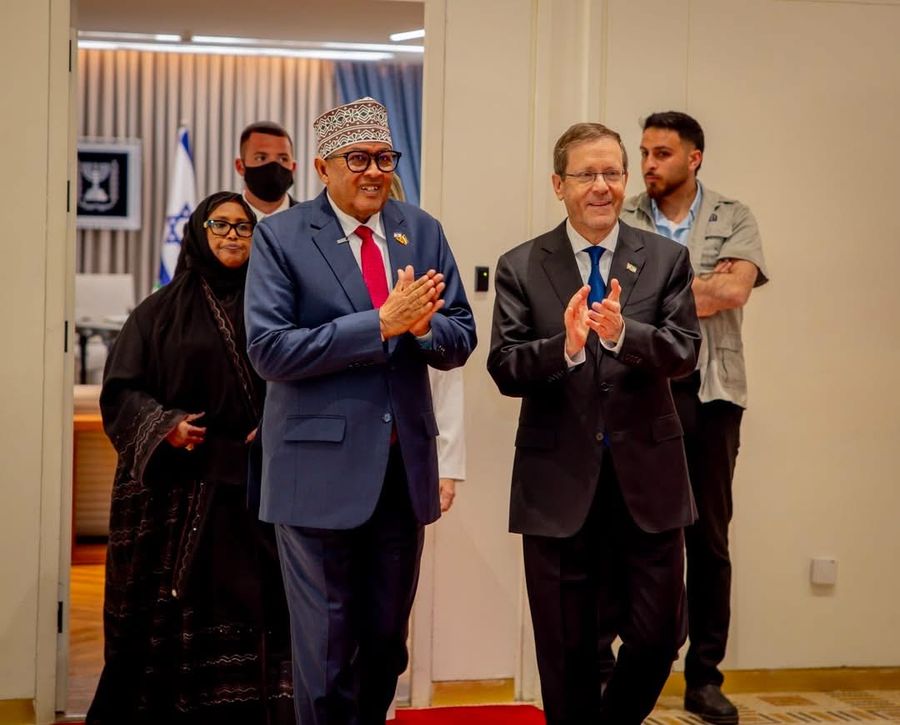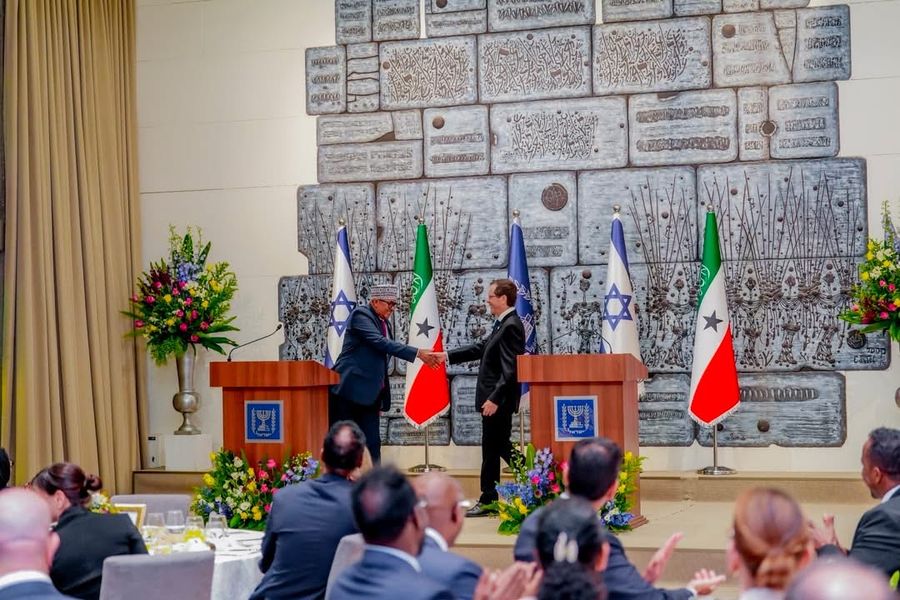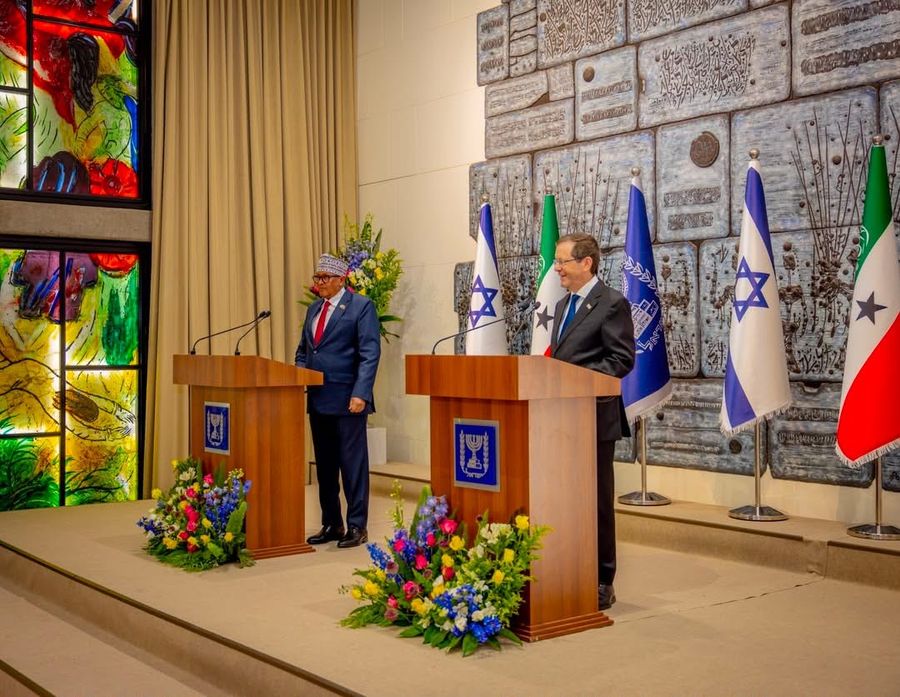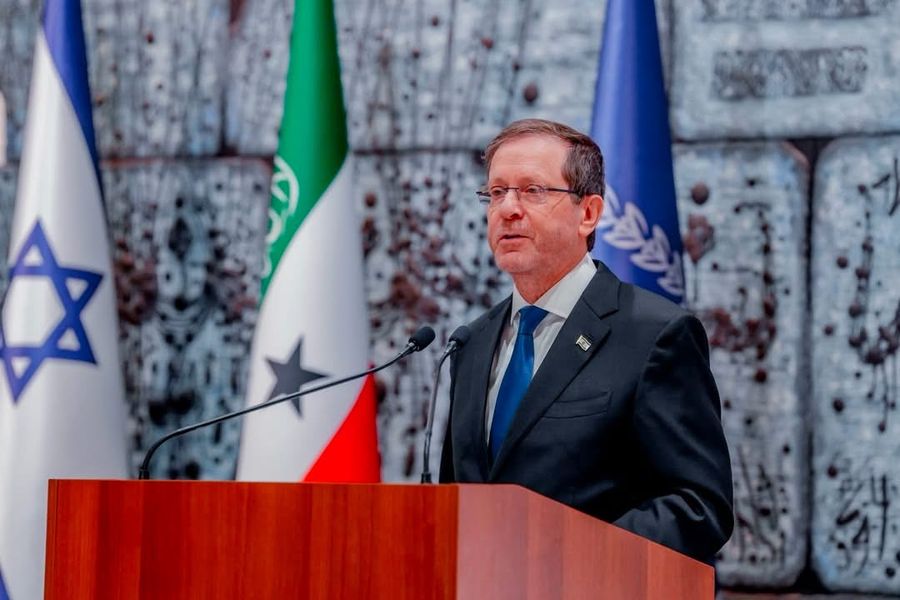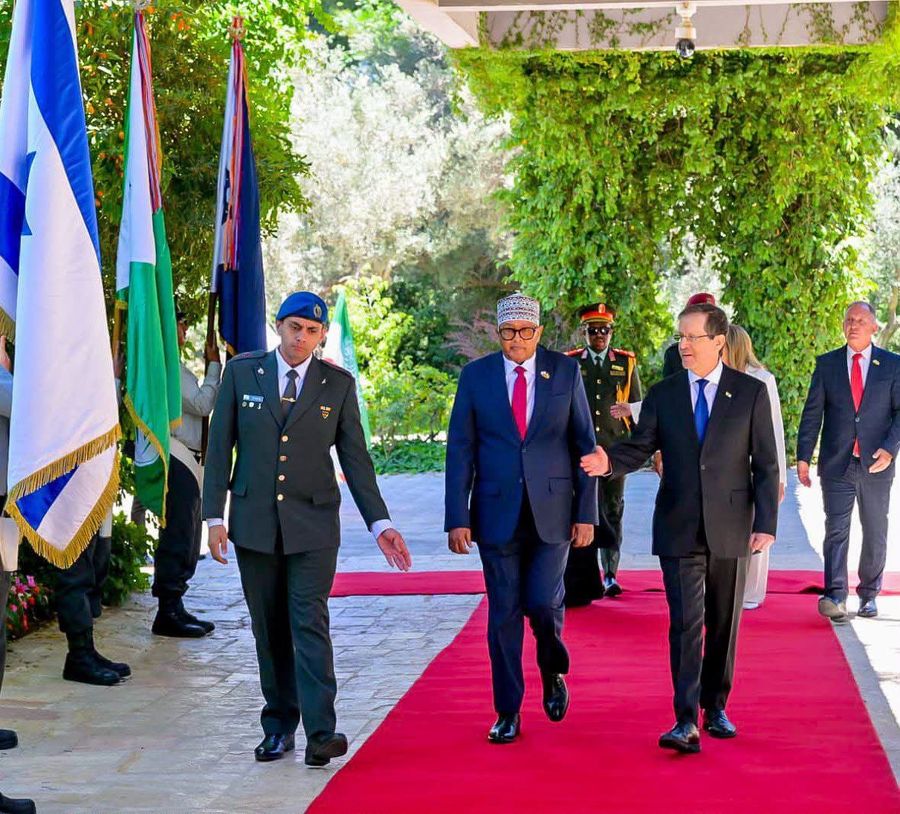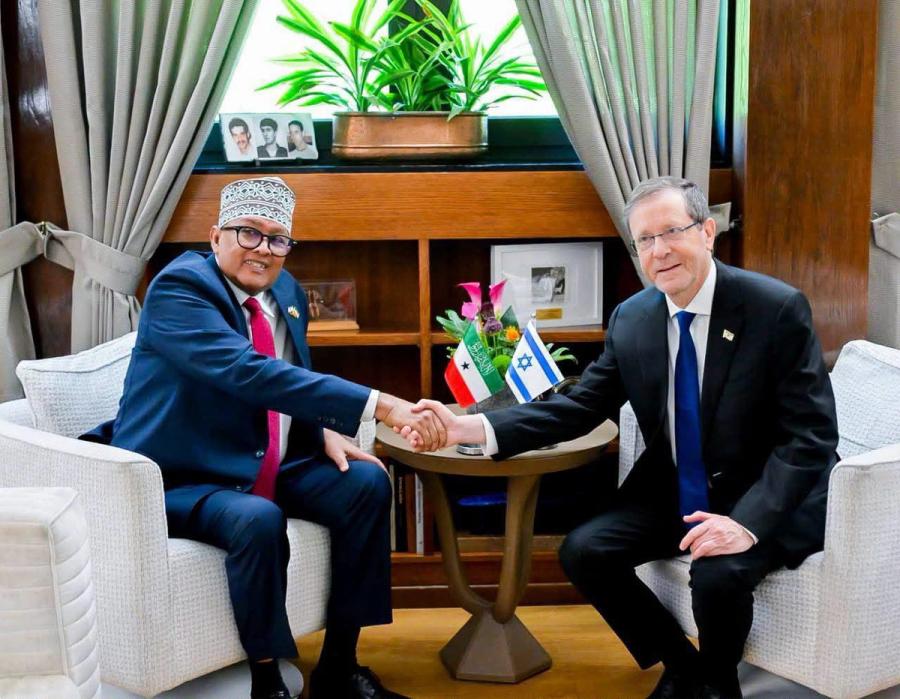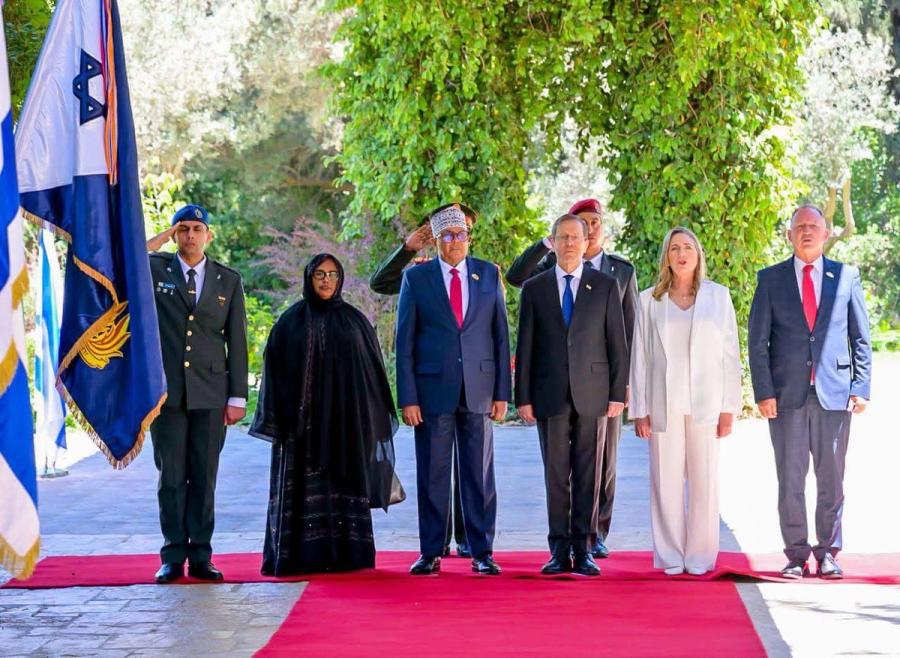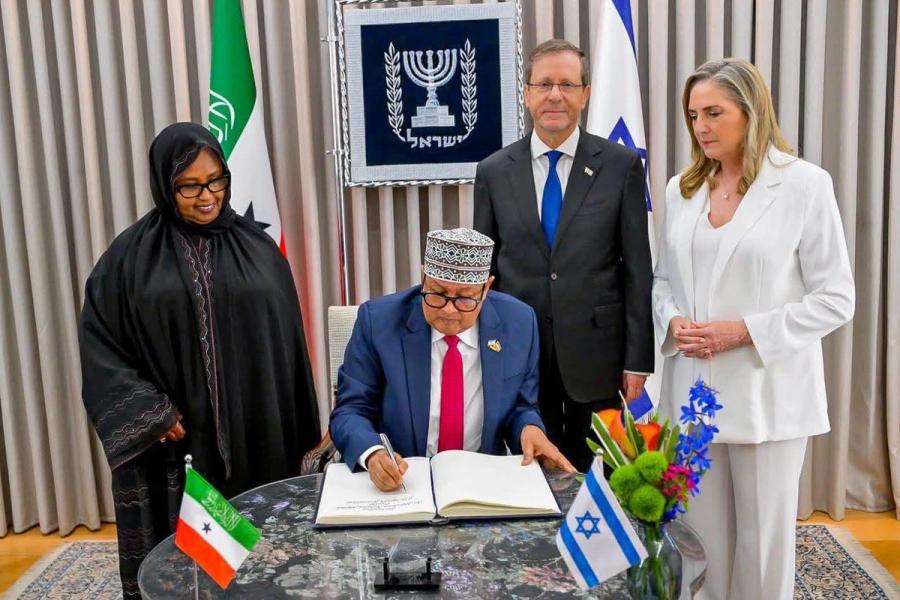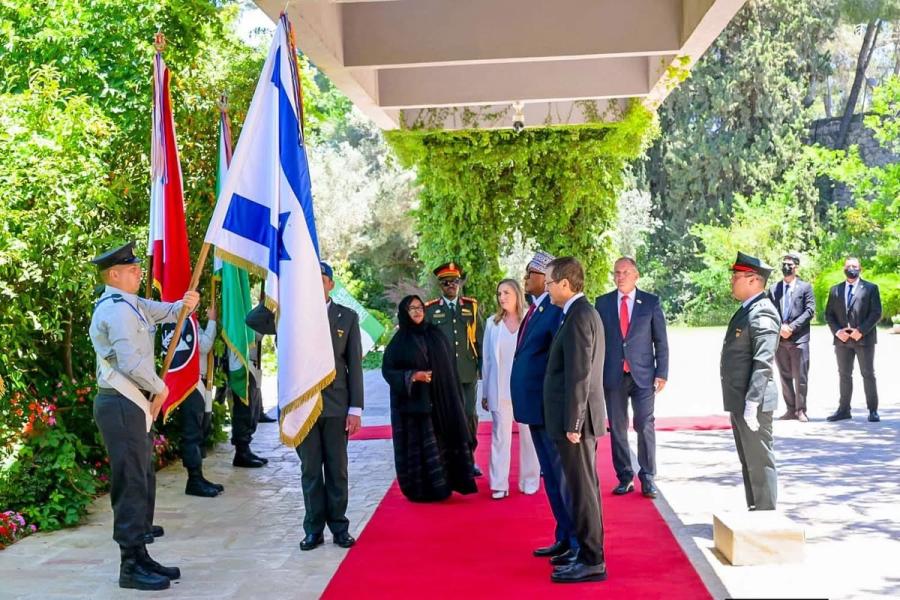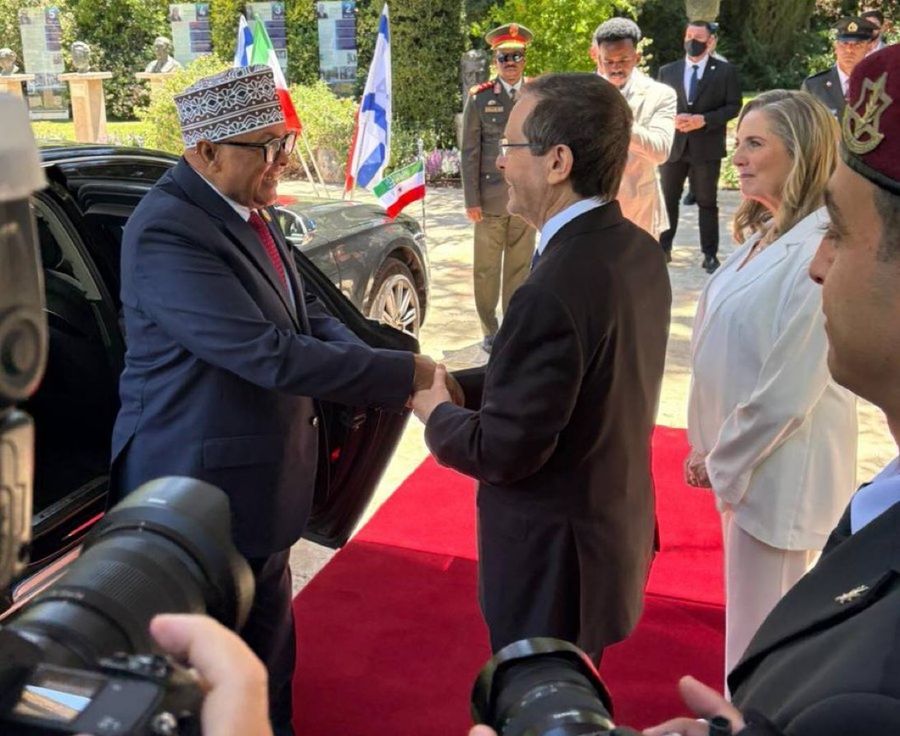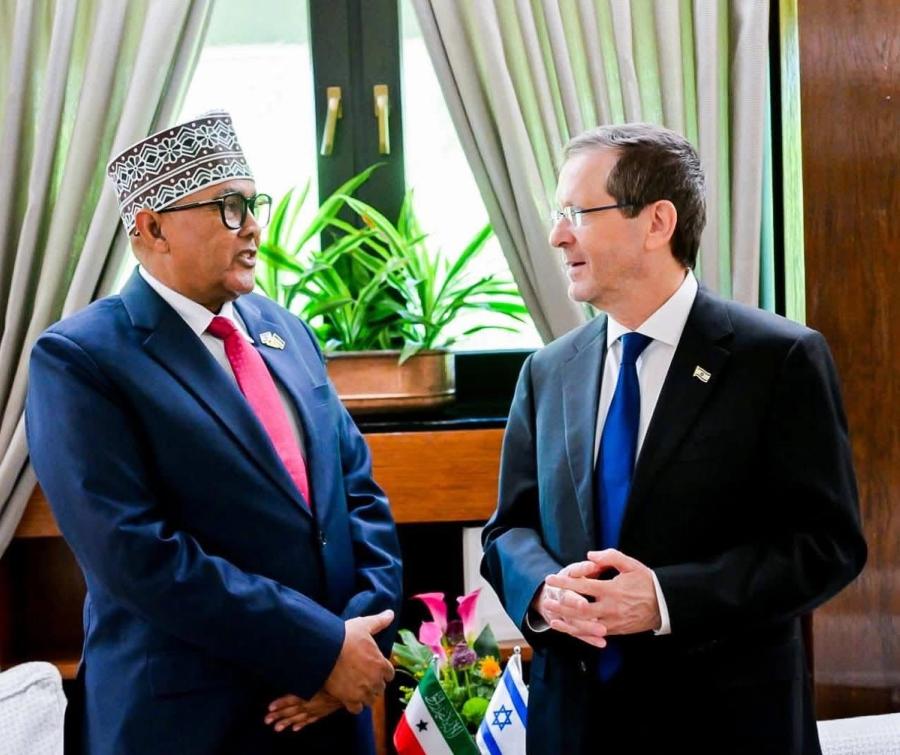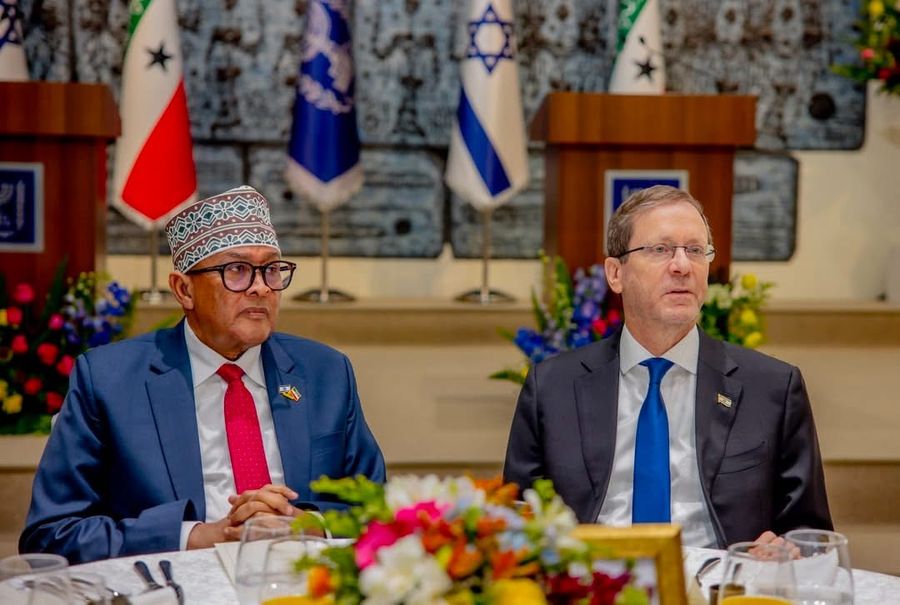
Sunday , June 14, 2026 (Baidoa Online) -Israel’s decision to recognize Somaliland has introduced a new and sensitive dimension to regional geopolitics in the Horn of Africa, raising major concerns in Somalia and across the wider international community regarding sovereignty, security cooperation, and shifting alliances in the Red Sea corridor.
The Federal Government of Somalia (FGS) has firmly rejected the move, reiterating that Somaliland remains an integral part of Somalia’s sovereign territory. The Somali government’s position is backed by the African Union and the United Nations, both of which continue to recognize Somalia’s territorial integrity within its internationally accepted borders.
While the recognition does not alter Somalia’s legal status internationally, it has significant diplomatic and strategic implications for Mogadishu and the broader region.
Somalia’s Sovereignty Under Diplomatic Pressure
For Somalia, Israel’s recognition of Somaliland is viewed as a direct challenge to its sovereignty and constitutional unity. The Federal Government has consistently maintained that any external recognition of Somaliland undermines Somalia’s territorial integrity and complicates ongoing efforts toward national reconciliation and federal state-building.
In Mogadishu, the development is expected to intensify diplomatic activity as Somalia seeks to reinforce international support for its territorial claims. This includes strengthening engagement with African Union member states, Arab League partners, and United Nations institutions.
The issue is likely to remain a key foreign policy priority for Somalia, particularly as it navigates fragile internal political dynamics and ongoing security challenges.
Potential Security and Defense Implications
Reports suggesting future security and defense cooperation between Israel and Somaliland have raised additional concerns for Somalia.
Although details remain unclear, analysts speculate that such cooperation could involve maritime security, intelligence sharing, surveillance systems, and regional counterterrorism coordination in areas near the Gulf of Aden and the Red Sea.
Given Somalia’s proximity to these critical maritime routes, any foreign military or intelligence footprint in the region is likely to be closely monitored by Mogadishu and its international partners.
Somali security officials are expected to assess the implications carefully, particularly in relation to border security, maritime sovereignty, and regional stability.
Strategic Competition in the Horn of Africa
The Horn of Africa is already one of the most strategically contested regions globally, with multiple external powers maintaining economic, military, and political interests.
Countries including Türkiye, the United Arab Emirates, Saudi Arabia, Egypt, China, the United States, and European partners are all active in the region, often pursuing overlapping security and economic objectives.
Israel’s recognition of Somaliland adds another layer to this competitive environment, potentially reshaping diplomatic alignments and intensifying geopolitical competition in the Red Sea corridor.
For Somalia, this evolving landscape underscores the importance of maintaining strong diplomatic engagement while safeguarding national interests in an increasingly complex international environment.
Implications for Mogadishu and National Strategy
The Federal Government of Somalia is expected to respond through a combination of diplomatic and internal policy measures.
Diplomatically, Somalia is likely to intensify efforts to consolidate international support for its territorial integrity, particularly within the African Union and the United Nations system. Reinforcing long-standing international consensus on Somalia’s borders remains a central objective.
Domestically, analysts argue that the situation highlights the importance of strengthening governance, security institutions, and national cohesion. Improvements in state capacity are widely seen as essential to reinforcing Somalia’s international position and reducing vulnerabilities to external political pressure.
The issue may also increase internal political pressure on the government to demonstrate unity and effective leadership on matters of sovereignty and national identity.
African Union and International Position
The African Union continues to uphold Somalia’s territorial integrity and remains cautious about any unilateral recognition of breakaway regions on the continent.
This position reflects broader concerns about setting precedents that could encourage separatist movements in other African states.
At the international level, Somalia continues to enjoy broad recognition as a sovereign state within its internationally accepted borders. There is currently no indication of a shift in the United Nations’ position regarding Somalia’s territorial status.
Risks and Opportunities for Regional Stability
While the development presents diplomatic challenges for Somalia, it also highlights the increasing importance of the Horn of Africa in global security and trade.
The region’s proximity to the Bab el-Mandeb Strait, a critical maritime chokepoint linking the Red Sea and the Indian Ocean, makes it a focal point for international security cooperation and strategic competition.
For Somalia, this presents both risks and opportunities: risks in terms of heightened geopolitical rivalry, and opportunities in terms of increased international attention, investment, and security partnerships.
Outlook
Israel’s recognition of Somaliland marks a significant diplomatic development with direct implications for Somalia’s foreign policy, national security posture, and regional engagement strategy.
While the move does not alter Somalia’s internationally recognized borders, it introduces new complexities into an already fragile regional environment.
In the coming period, Somalia is expected to prioritize diplomatic engagement, reinforce its sovereignty position internationally, and continue strengthening internal governance structures.
The broader impact will depend on whether other states follow Israel’s decision and whether regional security cooperation arrangements evolve further in the Horn of Africa.
For Somalia, the central challenge remains balancing external diplomatic pressures with internal state-building efforts in an increasingly competitive geopolitical landscape.