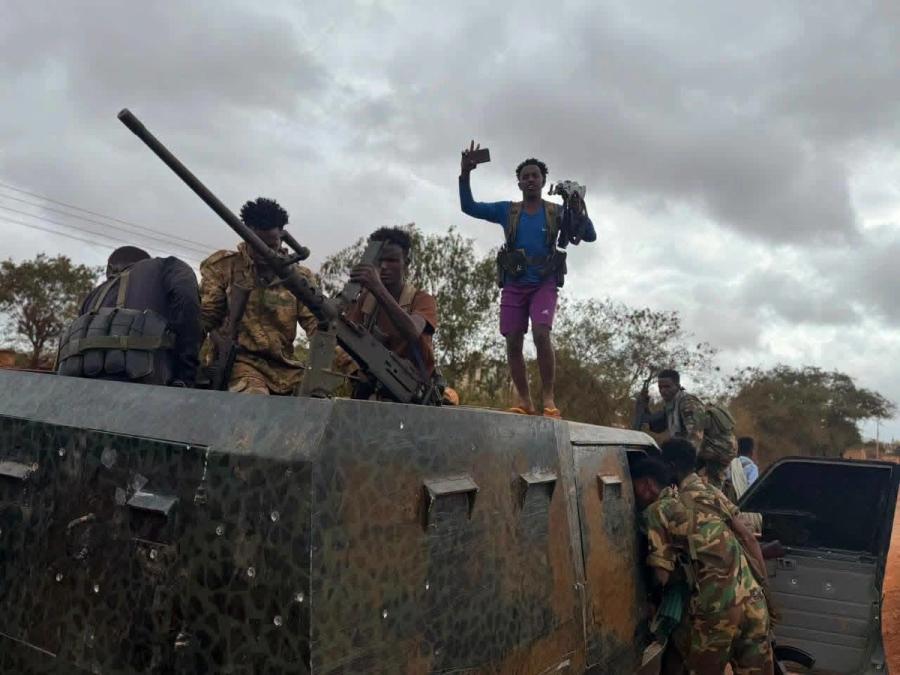
BAIDOAONLINE, Somalia — August 17, 2026 — At least 51 people, including 46 soldiers and five civilians, were killed in fierce fighting in Baidoa on Monday between Somali federal forces and fighters loyal to former South West State President Abdiaziz Hassan Mohamed Laftagareen, according to senior security officials and hospital sources.
Senior security officials connected to the rival administrations told this news outlet that 46 combatants from both sides were killed during hours of fighting in the South West State capital.
At least 56 fighters were wounded, the sources said. They did not provide a breakdown showing how many casualties each side suffered.
Five civilians were confirmed dead based on information obtained from hospitals in Baidoa. Medical sources warned that the civilian toll could increase as hospitals continued treating casualties from neighbourhoods affected by the fighting.
The reported figures could not be independently verified. The rival sides have issued conflicting claims about the battle and their respective losses.
The confrontation began before dawn when forces loyal to Laftagareen launched a coordinated assault on positions occupied by federal troops and forces supporting the South West administration led by Sheikh Aden Mohamed Nur, widely known as Aden Madobe.
Residents reported hearing explosions and sustained exchanges of heavy and light weapons in several parts of the city. Businesses closed, movement was severely restricted and families remained inside their homes as the fighting continued.
Federal Forces Regain Control
Laftagareen-aligned forces initially claimed they had captured parts of central Baidoa. Federal troops later pushed the attacking forces out of the city after several hours of fighting, according to local residents and Somalia’s Defence Ministry.
The ministry said federal positions had come under attack from fighters using vehicles loaded with explosives. It claimed government troops killed approximately 30 opposition fighters during the response.
That figure was a government claim and could not be independently confirmed. Laftagareen’s camp had not released a detailed response to the ministry’s casualty account.
Residents cited by Reuters also said federal troops had regained control of Baidoa. One local elder reported seeing 10 bodies, including four civilians and six soldiers from the opposing forces.
The higher figures gathered from senior security and hospital sources suggest the fighting was considerably more deadly than early reports indicated.
Federal forces remained deployed across strategic areas of Baidoa following the clashes. The city was reported to be tense, although the heaviest fighting had subsided.
Casualties and Humanitarian Impact
Monday’s battle was the deadliest confrontation reported in Baidoa since the federal government supported the establishment of the Aden Madobe-led South West administration following its political dispute with Laftagareen.
The violence affected a city already experiencing a severe humanitarian emergency. Baidoa hosts hundreds of thousands of people displaced by drought, hunger, conflict and insecurity elsewhere in southern Somalia.
Aid agencies have warned that renewed fighting could restrict access to displacement settlements and interrupt food, health and nutrition services.
A July assessment cited by Reuters found severe malnutrition among children living in Baidoa’s displacement sites. Continued insecurity could make it harder for aid workers to reach families requiring urgent assistance.
Residents and local medical workers have not yet provided a complete assessment of damage to homes, businesses or public infrastructure.
The latest fighting is part of a wider political and military struggle over control of South West State.
Laftagareen’s administration severed relations with Somalia’s federal government earlier in 2026 amid disagreements over constitutional amendments, elections and the division of authority between Mogadishu and federal member states.
Federal troops entered Baidoa in March and took control of the city. Laftagareen subsequently announced his resignation, but forces loyal to him continued operating in and around the regional capital.
His supporters have since launched several attacks against positions held by federal troops and forces associated with the Aden Madobe administration.
At least eight combatants were reportedly killed in fighting on May 30. Further clashes were reported near Baidoa in June and inside the city in July.
The recurring violence shows that the political transition has not ended armed opposition to the new regional administration. Both camps retain armed supporters, increasing the risk of further attacks and retaliatory operations.
The Baidoa dispute is also linked to broader tensions between Somalia’s federal government and regional political leaders who oppose constitutional changes and Mogadishu’s influence over state elections.
Security forces are expected to maintain an increased presence in Baidoa and conduct operations in areas where opposition fighters may have withdrawn.
Neither the federal government nor the rival South West political camps had released a complete list of casualties by Monday evening. Hospitals were still treating wounded soldiers and civilians.
Local leaders are expected to face growing pressure to prevent another round of fighting. No formal ceasefire or political talks between the rival sides had been announced.
The scale of the reported casualties marks a serious escalation in the struggle for South West State. Repeated attacks could weaken the Aden Madobe administration’s ability to establish control outside heavily protected government areas.
The conflict could also divert federal troops and resources from operations against Al-Shabaab, which remains active in rural parts of Bay region and across southern Somalia.