By Mohamud Hajji, Scholar, Baidoa
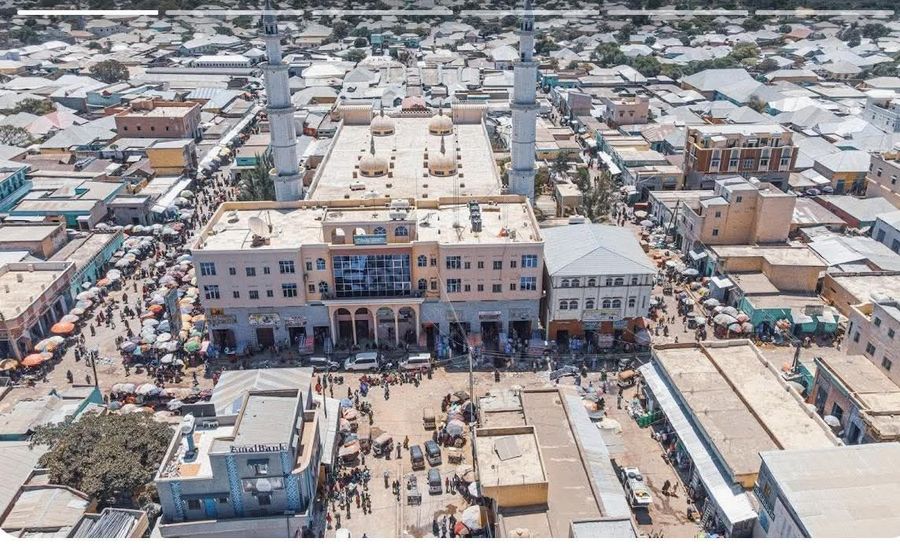
BAIDOA, Somalia — May 30, 2026 — Baidoa, the administrative center of Somalia’s Bay region, is facing continued political tensions and instability, with growing calls from local voices for peace, responsible leadership, and long-term stability in the city.
Latest Developments
Baidoa remains at the center of political and security concerns, with local residents and community observers expressing worry over recurring tensions that have affected daily life in the city.
According to local residents, the situation has created uncertainty for civilians, particularly in areas where political disputes and security developments intersect.
Community voices say the cycles of instability have disrupted normal activities, including business operations, movement, and access to services in some parts of the city.
No specific new security incidents were independently verified in connection with the concerns raised, but residents describe an ongoing atmosphere of unease.
Casualties and Humanitarian Impact
No confirmed casualties or major humanitarian incidents have been reported in relation to the current concerns.
However, according to local residents, instability in the broader environment has affected daily livelihoods, with some families and businesses expressing concern over unpredictability in the city’s security situation.
Government Response
Local and regional authorities have not issued a specific statement in response to the recent community concerns.
Security and administrative institutions continue to operate in Baidoa, though public commentary from officials on the matter has been limited.
Background and Context
Baidoa, the capital of South West State, has experienced repeated periods of political tension in recent years linked to governance disputes, leadership transitions, and security coordination challenges.
According to local observers, these dynamics have often contributed to uncertainty in the city, affecting both political engagement and public confidence.
The youth population in Baidoa is particularly significant, with many community members emphasizing the importance of education, employment, and development opportunities in maintaining long-term stability.
Somalia’s broader federal structure has also experienced periodic tensions between federal and regional authorities, which at times have influenced local political environments in cities like Baidoa.
What Happens Next
Community leaders and local observers continue to call for dialogue, reconciliation, and a renewed focus on development and stability in Baidoa.
Future developments are expected to depend on political engagement between stakeholders at both regional and national levels.
Residents say they hope for a reduction in tensions and increased focus on governance and public services.
The situation in Baidoa reflects broader challenges in Somalia’s state-building process, where governance, political competition, and security concerns often overlap.
Sustained instability, even at a low level, can affect public confidence and limit opportunities for economic and social development, particularly among young people.
If not addressed through inclusive dialogue and governance reforms, such conditions may continue to hinder progress in regional stability and service delivery.
Local sentiment underscores a consistent demand for leadership focused on peace, accountability, and long-term development priorities rather than short-term political competition.
— Mohamud Hajji, Scholar, Baidoa