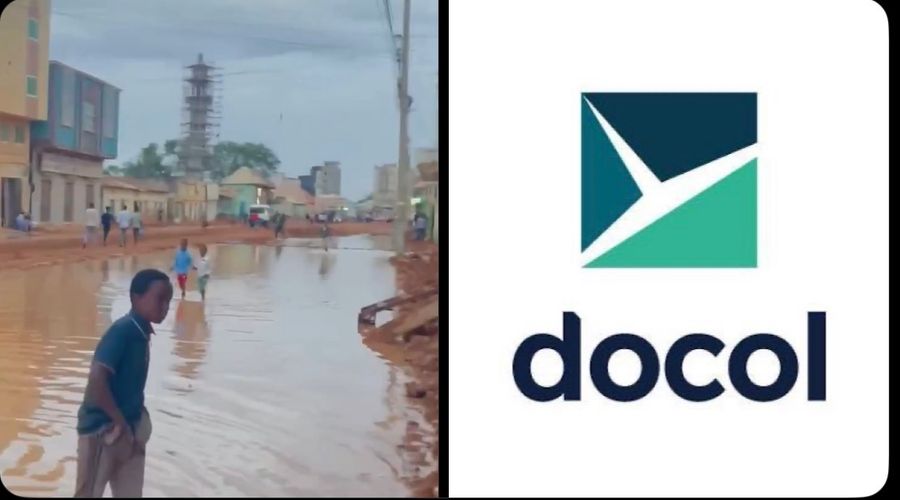
MOGADISHU, Somalia, June 23, 2026-Business owners in Baidoa are raising concerns over prolonged delays in road construction projects carried out by DOCOL Group, saying incomplete works have left key commercial roads unusable for nearly two years, disrupting trade and daily movement in the city.
Traders say the road rehabilitation project, initially expected to be completed within six months, stalled after excavation works began and were later abandoned without completion. According to business owners, the situation has forced the closure of several shops and reduced commercial activity in affected areas.
The complaints come amid growing frustration from residents who say the unfinished roads have worsened flooding risks during rainy seasons and contributed to difficult transport conditions in parts of Baidoa.
According to local traders, sections of roads excavated by DOCOL Group remain open and unfinished, with no visible progress toward completion. Business owners say their shops along the affected routes have remained closed for approximately two years due to blocked access and deteriorating road conditions.
Residents report that the dug-up roads have become water collection points during rainfall, leading to stagnant pools that overflow into nearby homes and business premises.
Some community members also claim that poor road conditions have contributed to accidents and disruptions for pedestrians and vehicles, although these accounts have not been independently verified.
Traders say repeated attempts to seek clarification from relevant authorities and the contractor have not produced a clear timeline for completion or official explanation for the delays.
Business owners in Baidoa say the stalled construction has had a direct impact on livelihoods, with reduced customer flow and prolonged closure of shops along key commercial corridors.
According to traders, the project was originally designed to improve drainage systems and transport infrastructure, but delays have instead created new challenges for mobility and trade.
Residents also expressed concern over safety risks caused by open trenches and water accumulation, particularly during periods of heavy rain.
Community members say the situation has made movement difficult for both pedestrians and vehicles, affecting access to markets, services, and residential areas.
The road construction works in Baidoa were launched as part of broader infrastructure improvement efforts aimed at upgrading urban roads, improving drainage systems, and supporting local economic activity.
Infrastructure projects in Somalia often face challenges such as funding delays, logistical constraints, and implementation setbacks, which can affect completion timelines.
Residents say expectations were initially high that the road upgrades would improve trade routes and reduce seasonal flooding, but the prolonged delays have instead created ongoing disruptions.
As of now, DOCOL Group has not issued a detailed public response to the complaints raised by Baidoa traders regarding the stalled road works.
Local authorities have also not released an updated timeline or official assessment of the project’s current status.
Community members are calling for greater transparency from both the contractor and local administration regarding the progress of the project and its expected completion.
Traders and residents are urging authorities to either accelerate the completion of the roadworks or provide a clear explanation for the prolonged delays.
Local stakeholders are expected to continue discussions with officials and contractors in an effort to resolve the situation and restore access to affected commercial areas.
Further updates are anticipated as pressure grows on both DOCOL Group and local authorities to address concerns raised by the public.
Analysis: Why This Matters
The situation highlights ongoing challenges in urban infrastructure delivery in Baidoa, where incomplete road projects can have significant economic and social impacts.
For local businesses, prolonged delays have resulted in lost income, reduced customer access, and long-term disruption of commercial activity.
The case also raises broader concerns about project oversight, accountability, and infrastructure governance in rapidly developing Somali cities.
If unresolved, continued delays may deepen economic strain on traders and reduce public confidence in future infrastructure initiatives.