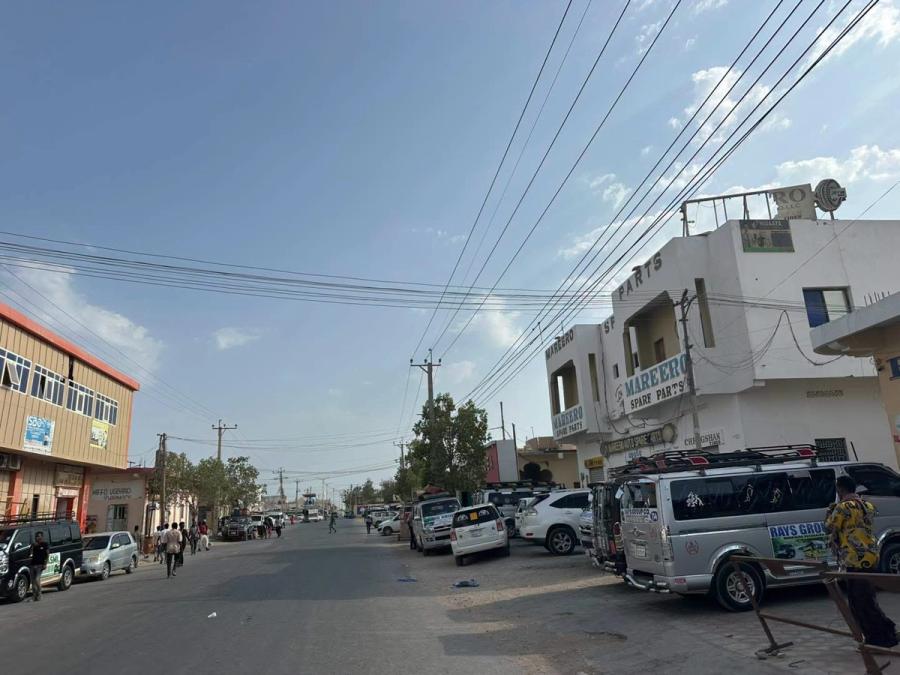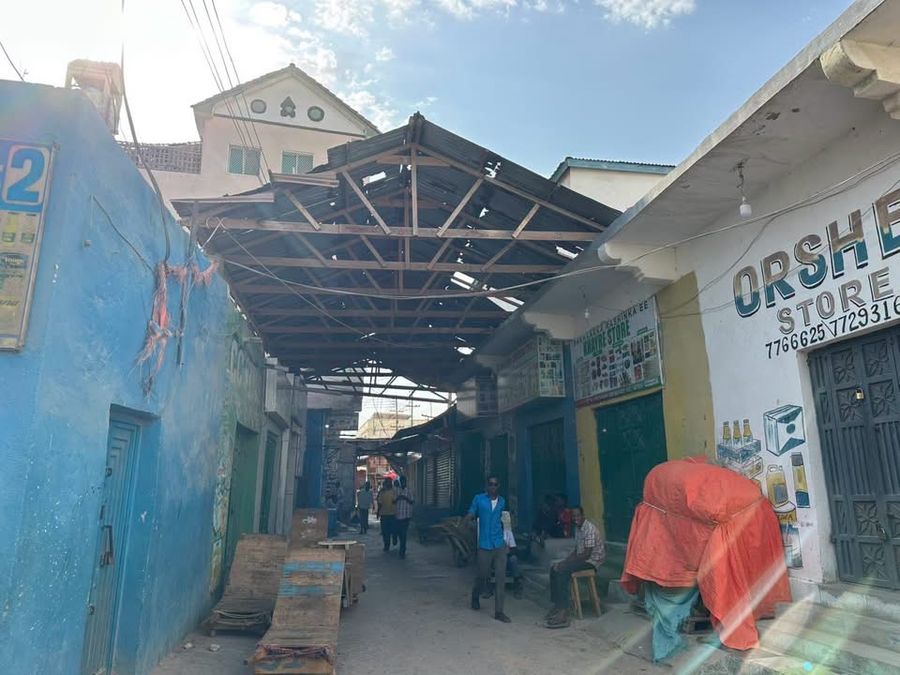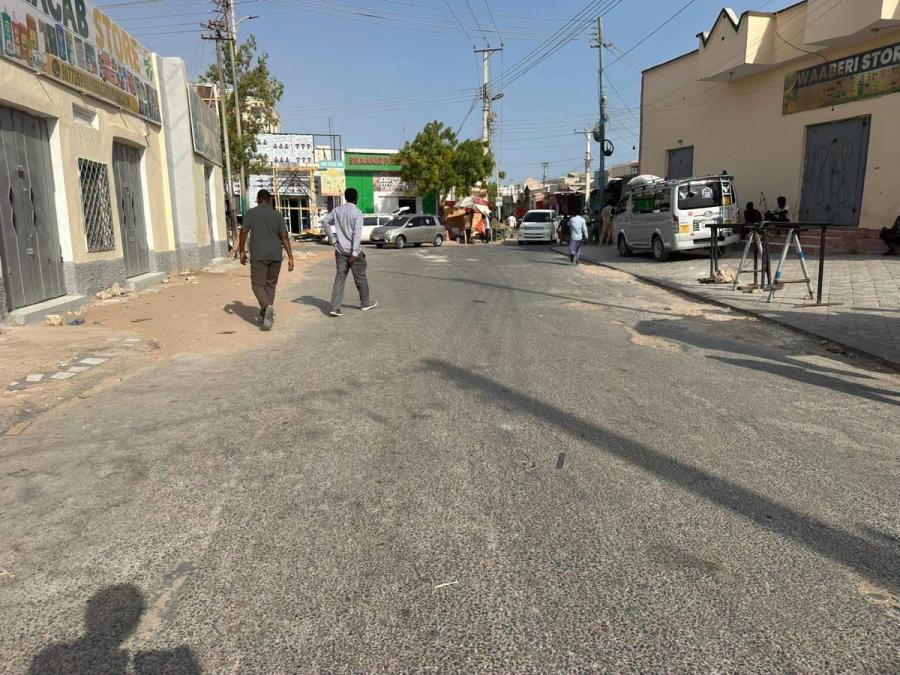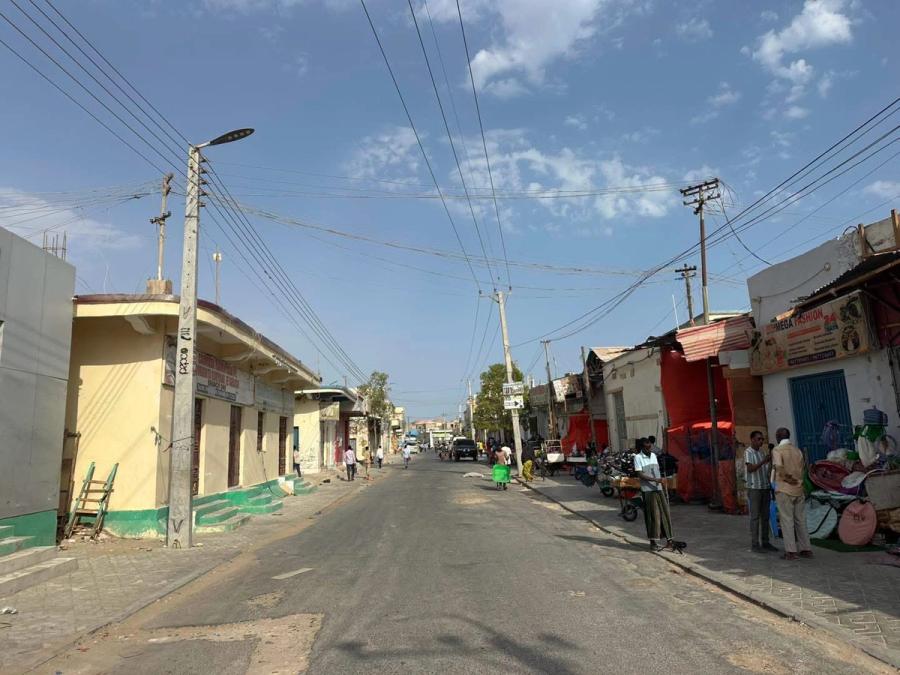
BOSASO, Somalia — July 12, 2026 —Businesses across Bosaso remained closed for a second consecutive day on Sunday as traders continued a strike against newly introduced port-related charges, forcing markets to remain shut while Puntland authorities and business representatives entered negotiations aimed at ending the growing commercial dispute.
The continued closure has disrupted business activity across Puntland’s commercial capital, with police deployed in several parts of the city as authorities monitored the situation. The outcome of talks between the government and the business community is expected to determine whether markets reopen in the coming days.
According to local residents, the majority of Bosaso’s shops, wholesale businesses, and commercial premises remained closed throughout Sunday morning, extending a strike that began a day earlier.
Witnesses said police officers were deployed at several locations across the city as the government sought to maintain public order during the shutdown. There were no immediate reports of clashes or violence linked to the protest.
Representatives of Bosaso’s business community and officials from the Puntland administration were scheduled to meet later on Sunday in an effort to resolve the dispute.
The talks come after traders suspended business operations in protest against new charges associated with activities at the Port of Bosaso, one of Somalia’s busiest maritime trade gateways.
According to business representatives, the newly introduced fees would significantly increase operating costs for importers and traders and could eventually lead to higher prices for consumers.
Puntland authorities had not publicly announced any changes to the fee structure as negotiations continued.
Government Response
The deployment of police across parts of Bosaso reflected the authorities’ efforts to maintain security while negotiations took place.
Officials had not released details of the discussions or indicated whether the government was prepared to revise or suspend the disputed charges.
Both sides were expected to continue negotiations in search of a solution that would allow commercial activities to resume.
Economic Impact
Bosaso serves as Puntland’s economic center and hosts one of Somalia’s most important seaports, handling large volumes of imported consumer goods, construction materials, fuel, livestock exports, and other commercial cargo.
The city’s port plays a critical role in supplying Puntland and neighboring regions. Any prolonged disruption to market activity or port-related trade has the potential to affect supply chains, transportation, wholesalers, retailers, and consumers.
Local businesses depend heavily on the smooth movement of goods through Bosaso Port, making disputes over taxation and port fees economically significant beyond the city itself.
While port operations have not been officially reported as suspended, the widespread closure of businesses has already slowed commercial activity throughout the city.
The current standoff is the latest in a series of disagreements between Puntland authorities and Bosaso’s business community over taxation and port management.
In previous years, traders have organized strikes, temporary market closures, and coordinated business shutdowns in response to new taxes, customs regulations, and government-imposed fees. Those disputes were largely resolved through negotiations between government officials and business leaders.
Bosaso has experienced similar commercial disruptions during earlier disagreements over customs reforms, municipal taxes, and port administration, highlighting the city’s central role in Puntland’s economy and the influence of its business community.
The Port of Bosaso remains one of Somalia’s busiest commercial ports and serves as an important trade hub connecting Somalia with Gulf countries and other regional markets.
Attention is now focused on the outcome of the ongoing negotiations between Puntland authorities and traders.
Business leaders have indicated that their protest is aimed at securing changes to the newly introduced fees, while government officials are seeking to restore normal commercial activity.
As of Sunday afternoon, no agreement had been announced, and it remained unclear when businesses would reopen.
The Bosaso market shutdown illustrates the economic importance of cooperation between Puntland authorities and the private sector. As Somalia’s commercial activity increasingly depends on stable regional trade hubs, prolonged disputes over taxation and port policies can disrupt business confidence and affect investment.
If the standoff continues, traders may face mounting financial losses while consumers could experience increased prices for imported goods if higher operating costs are passed through the supply chain. Bosaso’s role as a major gateway for imports means the impact could extend beyond Puntland to neighboring regions that rely on the port.
The negotiations also represent an important test of dialogue between government institutions and the business community. Previous disputes have been resolved through talks rather than prolonged confrontation, making the current negotiations a key factor in determining how quickly commercial activity can return to normal.