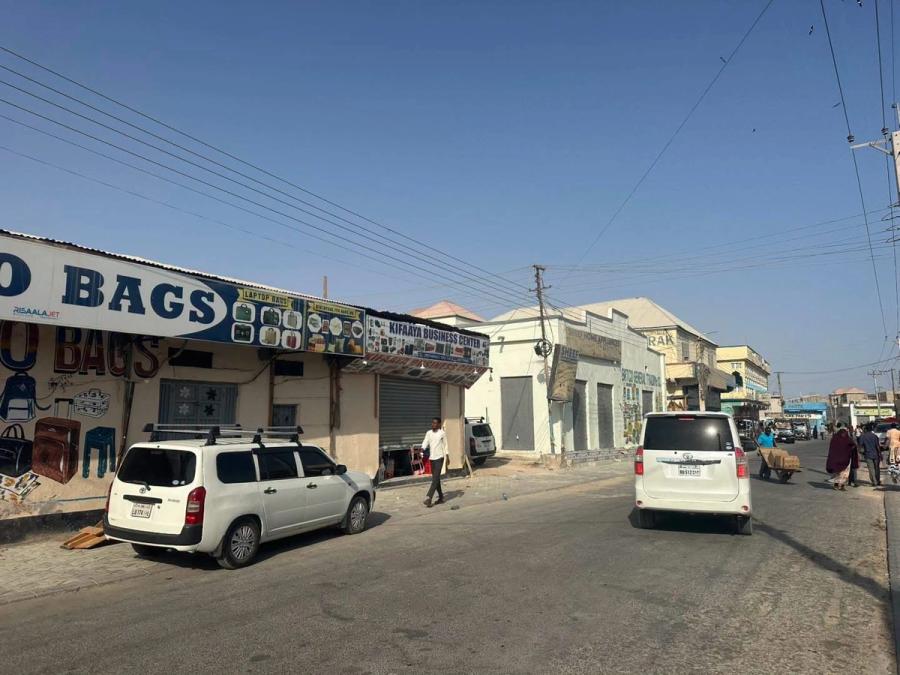
MOGADISHU, Somalia — July 13, 2026 —Markets across the Puntland port city of Bosaso remained closed for a third consecutive day on Monday, while operations at the Port of Bosaso entered their 14th day of suspension, extending a commercial disruption that has affected one of Somalia’s busiest trade gateways.
The closures are linked to an ongoing dispute between traders and Puntland authorities over recently introduced port charges and higher import taxes. Business groups say the measures have significantly increased the cost of importing goods through Bosaso, prompting widespread protests and commercial shutdowns.
Commercial activity remained largely at a standstill across Bosaso on Monday as shops and wholesale markets stayed closed in response to calls from traders. The shutdown has coincided with the continued suspension of operations at the Port of Bosaso, preventing cargo vessels from loading and unloading goods.
According to local traders, the protest is intended to pressure authorities into reversing the new tax measures and reopening the port under previous tariff arrangements. Traders argue that the higher fees will increase operating costs and ultimately raise prices for consumers.
Officials in Puntland have not publicly announced any agreement to end the dispute, and port operations remained suspended as of Monday.
Trade Disruptions Deepen
Bosaso serves as Puntland’s principal commercial port and is a vital entry point for imported food, fuel, construction materials, and consumer goods destined for markets across northeastern Somalia.
With cargo handling suspended for two weeks, importers and transport companies have reported growing delays in deliveries. Business leaders warn that prolonged disruptions could affect regional supply chains and place additional financial pressure on merchants already facing rising operating costs.
According to business representatives, many shipments remain stranded while companies continue to incur storage and logistical expenses.
Government Response
Puntland authorities introduced the revised port charges and import tax measures as part of broader revenue collection efforts, according to officials familiar with the policy.
Government officials have maintained that revenue reforms are necessary to strengthen public finances and improve service delivery. However, trader associations argue that the increases were implemented without sufficient consultation with the business community.
No official announcement has been made regarding negotiations or a timetable for reopening the port.
The current shutdown follows days of escalating tensions between traders and Puntland authorities over customs-related charges at the Port of Bosaso.
Bosaso has experienced similar commercial disputes in previous years, with disagreements over customs tariffs, taxation, and port management occasionally leading to temporary business closures and disruptions to trade. Most previous disputes were resolved after negotiations between government officials and business representatives.
The Port of Bosaso remains one of Somalia’s most strategically important maritime facilities, handling imports and exports serving Puntland as well as neighboring regions.
Economic analysts note that prolonged interruptions at the port can have wider effects on regional commerce because many businesses rely on Bosaso as their primary supply route.
Business groups have indicated that the closures could continue unless an agreement is reached with Puntland authorities over the disputed tax measures.
Traders are seeking the suspension or revision of the new charges before commercial activity fully resumes. It remains unclear when negotiations may resume or when normal operations at the port and city markets will restart.
Authorities have not announced any emergency measures to mitigate the impact of the ongoing disruption on businesses or consumers.
The Port of Bosaso is a key economic asset for Puntland and an important gateway for imports entering northeastern Somalia. Continued disruption at the port could slow the movement of essential goods, increase transportation costs, and affect businesses that depend on regular shipments.
If the standoff continues, retailers may face shortages of imported products while consumers could experience higher prices for essential commodities. Small businesses, transport operators, and port workers are also likely to feel the economic effects of an extended shutdown.
The dispute also highlights the challenge facing regional authorities as they seek to increase domestic revenue while maintaining the confidence of the private sector. A negotiated settlement would help restore trade flows and reduce pressure on businesses and consumers across Puntland.