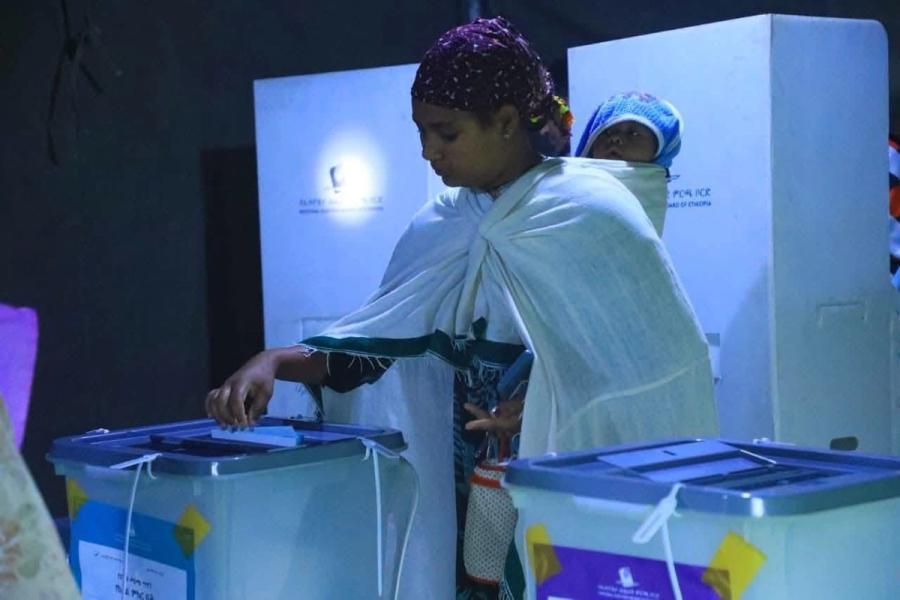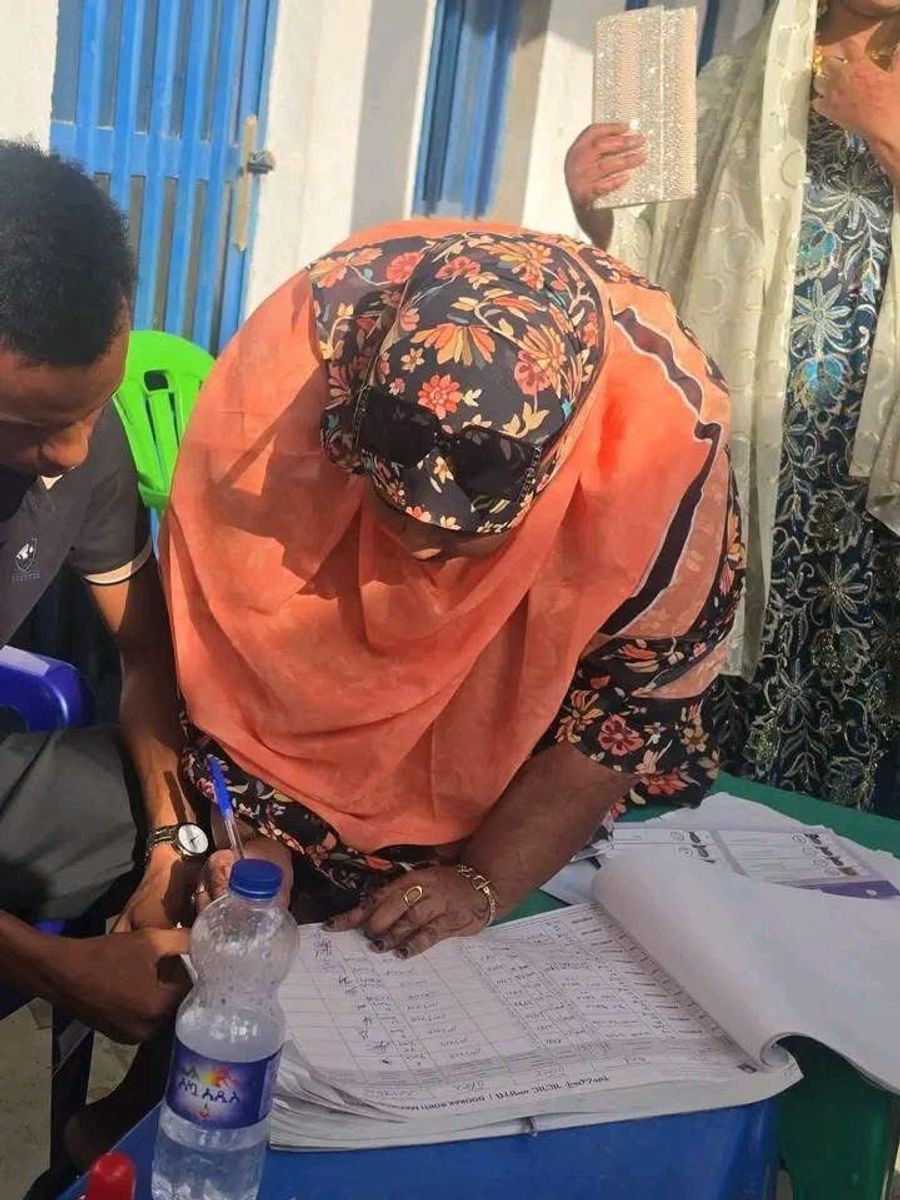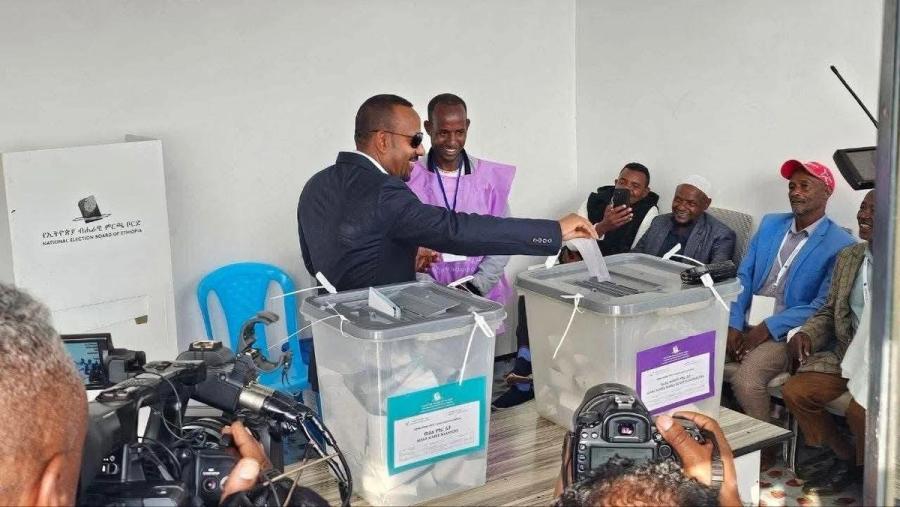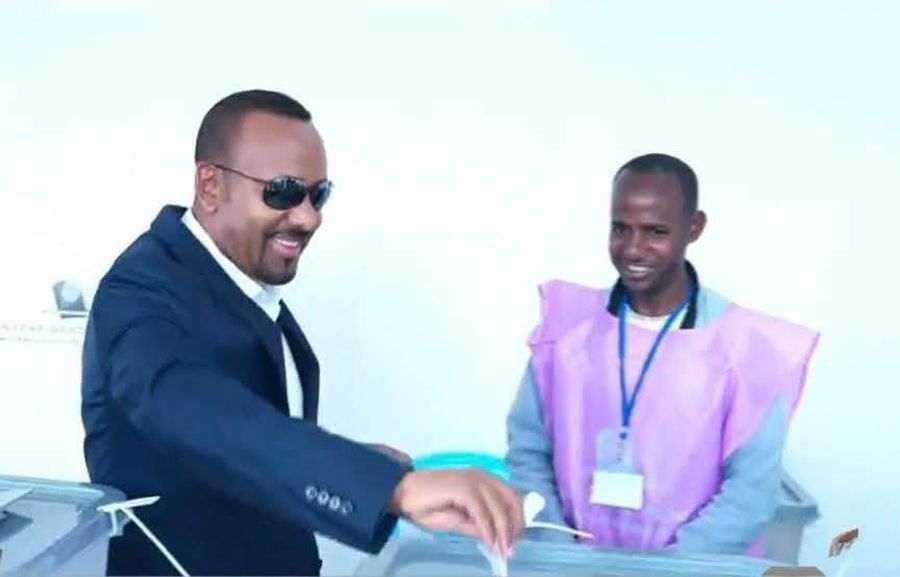
Tuesday, June 2, 2026 (Baidoa Online) - Millions of Ethiopians went to the polls on June 1 in the country's 7th general election, a vote that observers say is as much a test of Prime Minister Abiy Ahmed's legitimacy as it is of Ethiopia's fragile democracy. Vote counting is currently underway. According to the National Election Board of Ethiopia (NEBE), official results are expected by June 11.
Polling stations across Ethiopia were extended by six hours, remaining open until midnight to accommodate what officials described as exceptionally high voter turnout. More than 54 million citizens were registered to vote across 50,000 polling stations nationwide. After polls closed the government declared: "Ethiopians have voted, and Ethiopia has won."
Which Regions Voted and Which Didn't
Ethiopia has 12 regional states and 2 city administrations. Voting took place in 10 of the 12 regions and both city administrations. The entire Tigray region was excluded after NEBE cited "unfavourable conditions" following the devastating 2020–2022 civil war, which researchers say caused hundreds of thousands of deaths. In Amhara, at least 8 of 138 constituencies were excluded due to ongoing fighting with the Fano armed group. All other regions including Oromia, Somali, Afar, Sidama, Gambella, Harari, Benshangul-Gumuz, South Ethiopia, Central Ethiopia, South West Ethiopia, Addis Ababa and Dire Dawa participated fully.
A total of 47 political parties fielded over 10,900 candidates across federal and regional seats. Despite the numbers, Abiy Ahmed's Prosperity Party is widely expected to dominate, having won 410 of 484 contested seats in the 2021 elections.
A Contested Election
The vote has drawn sharp criticism from opposition parties and international observers. Opposition leaders accused the federal government of arresting candidates, blocking party activities and creating legal obstacles that made fair competition impossible. Human rights groups pointed to the jailing of journalists, shutting down of civil society organisations, and ongoing military campaigns in Oromia as evidence of a shrinking democratic space. For many critics, the outcome was never in doubt. With Tigray excluded, Amhara partially excluded, and the opposition weakened, the Prosperity Party faces little serious competition.
Abiy's Journey From Nobel Prize to Controversy
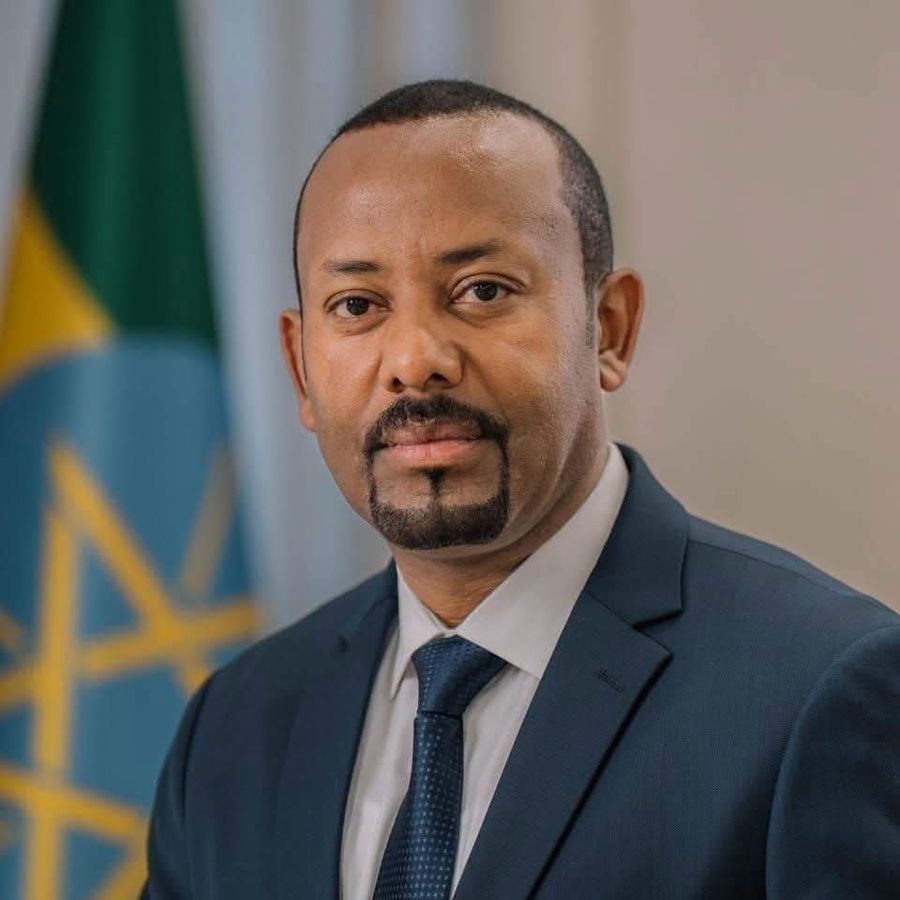
Abiy Ahmed, 49, came to power in 2018 following mass protests. He quickly became Africa's most celebrated leader, freeing political prisoners, opening the economy, and earning the Nobel Peace Prize in 2019 for ending a decades-long conflict with Eritrea. But the 2020–2022 Tigray war shattered his international image, and critics say the man who once promised reform has reversed his own gains.
This election is about more than parliamentary seats. It is a test of whether Ethiopia, Africa's second most populous nation with 135 million people, can hold credible elections while managing multiple insurgencies, ethnic tensions, and the aftermath of one of its worst civil conflicts. For the Horn of Africa region, the outcome matters deeply. Official results are expected by June 11. Baidoa Online will continue to follow this story.