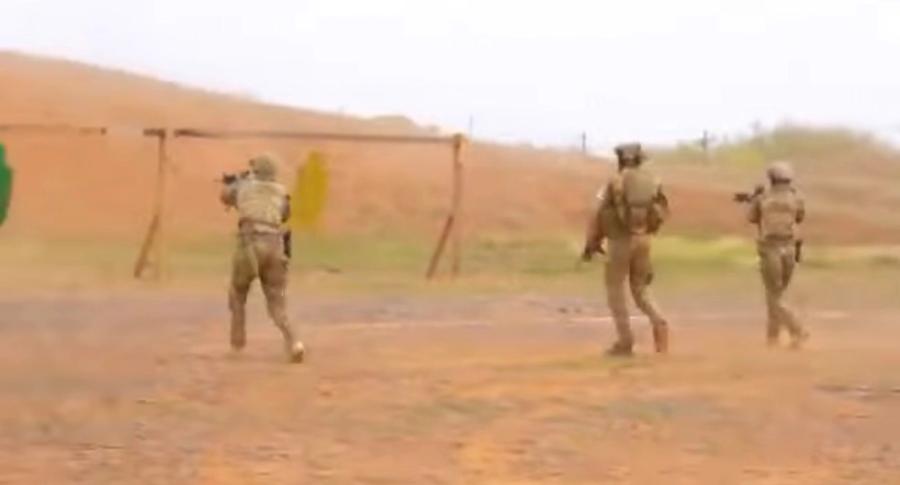
MOGADISHU, Somalia — August 29, 2026 — Security agencies from several countries in the Horn of Africa have raised concerns with Somalia’s Federal Government over reports that foreign powers are training and arming unidentified groups inside the country, according to federal security sources briefed on the communications.
The regional agencies warned that the creation of armed groups operating outside Somalia’s recognised security institutions could threaten neighbouring countries and undermine efforts to coordinate security across international borders.
Regional agencies contact Mogadishu
Officials familiar with the matter said security agencies from several regional countries had shared information with their Somali counterparts before raising the issue with senior federal authorities.
According to the officials, the messages warned that neighbouring governments could not ignore activities involving the alleged establishment of armed groups whose identities, command structures and long-term objectives remained unclear.
Some of the concerns were also communicated to the Somali presidency, the sources said. The regional governments reportedly called for stronger security coordination along shared borders and measures to prevent foreign powers from organising armed groups inside Somalia.
The officials did not disclose when the alleged training began, how many fighters were involved or the locations where the groups were reportedly operating.
No evidence supporting the allegations has been released publicly.
Groups allegedly linked to tensions involving Ethiopia
Security information shared with federal authorities alleged that some countries involved in disputes with Ethiopia were training non-Somali fighters in parts of Somalia.
The alleged objective was to create armed units capable of advancing the interests of parties opposed to Ethiopia, according to sources familiar with the security reports.
The sources did not identify the nationality of the reported fighters or the countries accused of recruiting and training them. It also remains unclear whether the alleged groups have conducted operations inside Somalia or elsewhere in the region.
Ethiopian authorities have not publicly responded to the latest claims. The Somali presidency and federal security institutions have also not announced whether a formal investigation has been opened.
Regional officials reportedly told Mogadishu that Somalia’s territory should not be used as a base for activities capable of threatening neighbouring states. They also stressed that armed formations operating outside official command structures could complicate intelligence sharing and joint border-security operations.
The Federal Government has not issued a public statement confirming or rejecting the allegations.
It is also unclear what response Mogadishu gave to the regional governments that reportedly raised the issue. No arrests, closures of suspected training facilities or deployments connected to the reported activities have been announced.
Somalia works with several international partners on military training, counterterrorism and security-sector development. Those programmes are generally conducted through formal agreements with the federal authorities.
The latest allegations, however, concern armed groups said to be operating outside recognised Somali security structures. Establishing whether such groups exist, who controls them and where they are based will require further investigation.
Somalia’s location in the Horn of Africa places it near some of the region’s most sensitive security and commercial routes. The country shares long and difficult-to-monitor land borders with Ethiopia and Kenya, while its coastline lies along maritime routes linking the Indian Ocean, the Gulf of Aden and the Red Sea.
Political rivalries among regional and international powers have increasingly influenced security relations across the Horn of Africa. Somalia hosts foreign troops, military advisers and training missions intended to strengthen government forces and support operations against Al-Shabaab and other armed groups.
Somali authorities have also faced the continuing challenge of bringing different armed formations under unified state control. Clan militias, regional security forces and locally organised armed units operate in several parts of the country, sometimes with separate command structures.
The possible creation of additional foreign-backed groups could make that process more difficult and increase suspicion between Somalia and its neighbours.
Somalia and Ethiopia also have extensive security ties, particularly in operations against Al-Shabaab. Ethiopian forces have operated in Somalia under bilateral arrangements and African Union missions, making any allegation involving groups hostile to Addis Ababa especially sensitive.
Regional security agencies are expected to seek clarification from the Somali government about the alleged training activities and the identities of the foreign actors involved.
Federal authorities may face pressure to investigate the reported sites, verify whether non-Somali fighters are present and determine whether any foreign government is supporting armed groups without Mogadishu’s authorisation.
Until official findings or verifiable evidence are released, the reported activities remain allegations provided by security sources.
Any unauthorised foreign-backed armed presence in Somalia could weaken the Federal Government’s control over national security and complicate efforts to integrate armed units into recognised institutions. It could also divert attention and resources from operations against Al-Shabaab.
The allegations may strain Somalia’s relations with Ethiopia and other neighbouring countries if they believe Somali territory is being used to threaten their security. Poor coordination or mistaken intelligence could also increase tensions along already sensitive borders.