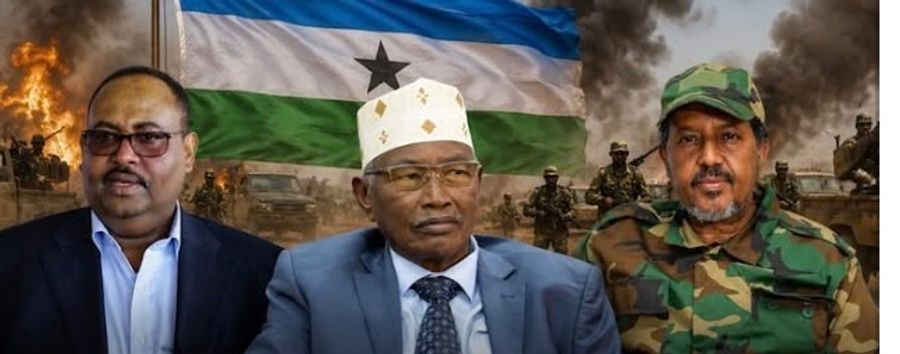
MOGADISHU, Somalia — July 8, 2026 —Former Puntland President Abdirahman Mohamed Mohamud Faroole has accused Turkey of interfering in Somalia’s internal political affairs, warning that Ankara’s actions could create a lasting divide between the Somali and Turkish people. His remarks add to growing criticism from opposition figures and regional administrations that have questioned Turkey’s expanding political and security role in Somalia. The Turkish government has not publicly responded to Faroole’s latest allegations.
Speaking during recent remarks, Faroole said Turkey was backing what he described as a Somali president whose constitutional mandate expired on May 15, 2026. He argued that continued Turkish support for the federal leadership risks damaging relations between the two countries for generations.
“Puntland cannot be intimidated or defeated,” Faroole said while accusing Turkey of pursuing strategic interests through actions that, according to him, are contributing to instability inside Puntland.
He also called on Ankara to refrain from involvement in Somalia’s domestic political disputes, saying the country’s political differences should be resolved by Somalis themselves without foreign interference.
Opposition Criticism of Turkey
Since the disputed expiration of the president’s constitutional term, opposition groups based in Mogadishu, together with the Puntland and Jubbaland administrations, have increasingly accused Turkey of interfering in Somalia’s internal affairs.
Those groups allege that Turkish political and security support has strengthened the federal government’s position during the ongoing political crisis. Turkey has not accepted or publicly responded to those allegations.
In recent weeks, anti-Turkish sentiment has become more visible in parts of Somalia, particularly among opposition supporters. Critics argue that Turkey’s role has shifted from that of a development partner to an active political actor. Those views reflect the position of opposition groups and do not represent independently verified facts.
Allegations Over Security Operations
Opposition figures have also alleged that Turkish military equipment was used during clashes in Mogadishu on June 3 and 4 between federal government forces and armed groups aligned with opposition leaders, including former President Sheikh Sharif Sheikh Ahmed and former Prime Minister Hassan Ali Kheyre.
According to opposition representatives, Turkish-supplied armored vehicles and drones were deployed during the fighting. Those claims have not been independently verified, and Turkish authorities have not commented publicly on the allegations.
Separate accusations have emerged from Southwest State.
Former Southwest President Abdiaziz Hassan Mohamed “Lafta Gareen” has alleged that Turkish military assets, including drones and fighter aircraft, participated in operations around Baidoa during the political transition that led to his removal and the installation of Sheikh Adan Mohamed Nur “Madobe” as the region’s leader.
No independent evidence has been made public confirming those allegations, and Turkish officials have not responded.
Government Response
The Federal Government of Somalia has consistently defended its security cooperation with Turkey, describing Ankara as one of Somalia’s closest strategic partners in rebuilding the country’s security institutions, military infrastructure, education, and development sectors.
Authorities have not publicly responded to Faroole’s latest remarks.
The Turkish government has also remained silent regarding the accusations raised by Faroole, opposition politicians, and former regional leaders.
Somalia has experienced months of heightened political tensions following disputes surrounding the federal leadership and constitutional governance.
The opposition maintains that President Hassan Sheikh Mohamud’s constitutional mandate expired on May 15, 2026, while political disagreements over governance and electoral arrangements have intensified divisions between the Federal Government and several regional administrations.
Puntland and Jubbaland have repeatedly criticized the federal leadership over constitutional changes, power-sharing arrangements, and relations between Mogadishu and the federal member states.
Turkey has maintained a significant presence in Somalia for more than a decade, investing heavily in infrastructure, humanitarian assistance, education, and security cooperation. Ankara also operates one of its largest overseas military training facilities in Mogadishu and has played a central role in training Somali security forces.
Faroole’s latest remarks highlight widening political divisions over the role of foreign partners in Somalia’s domestic affairs. Allegations involving Turkey reflect broader disagreements over sovereignty, constitutional legitimacy, and the balance of power between the Federal Government and regional administrations.
If political tensions continue to deepen, disagreements over foreign involvement could further complicate relations between Mogadishu and federal member states while affecting Somalia’s broader political reconciliation efforts.
Turkey remains one of Somalia’s most significant international partners, making any deterioration in public perception or diplomatic relations potentially important for future security cooperation, development projects, and regional stability.
Whether Ankara responds publicly to the latest accusations could influence the next phase of political debate as Somalia continues to face constitutional and security challenges.