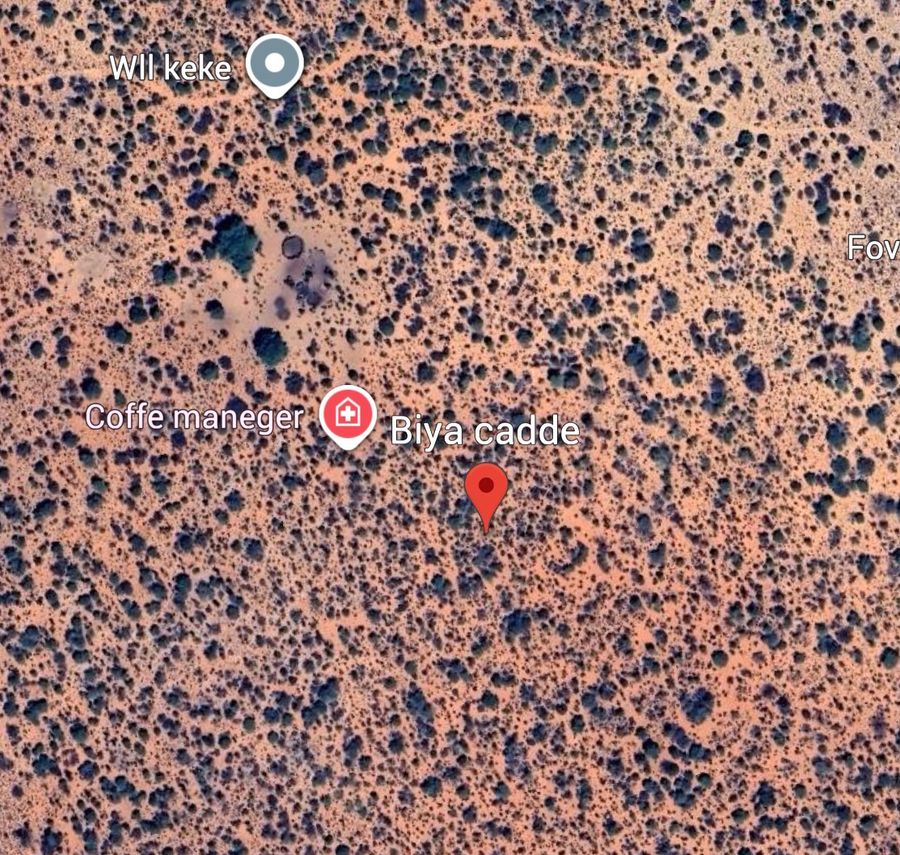
MOGADISHU, Somalia — July 20, 2026 —A heavy airstrike targeted a house in the Biya Cadde area of Somalia’s Middle Shabelle region overnight, where senior Al-Shabaab leaders were reportedly holding a meeting, according to preliminary security reports. Initial information suggests the strike caused casualties, although Somali authorities have not yet confirmed the outcome or released an official assessment of the operation.
Residents in the Biya Cadde area reported hearing powerful explosions late Sunday night as aircraft struck what security sources described as a suspected gathering place for senior Al-Shabaab figures.
According to preliminary information from local security sources, the strike targeted a residential building believed to have been used by high-ranking members of the militant group for a meeting. The identities of those reportedly inside the building at the time of the strike have not been independently verified.
Authorities have not disclosed whether the operation was conducted solely by Somali forces or with support from international security partners, a pattern that has characterized previous counterterrorism operations in Somalia.
Officials from the Federal Government of Somalia had not issued an official statement by the time of publication. The Ministry of Information and military authorities are expected to provide further details after assessing the outcome of the strike.
Casualties and Humanitarian Impact
Preliminary reports indicate the airstrike resulted in casualties, but the number of people killed or injured remains unclear.
No official casualty figures have been released, and independent verification has not yet been possible. It also remains unknown whether any civilians were affected by the strike.
Local residents said security personnel restricted access to parts of the area following the explosions while information continued to emerge.
The Federal Government of Somalia has not yet publicly commented on the reported airstrike.
In previous operations targeting Al-Shabaab, Somali authorities have typically released official statements after conducting battlefield assessments and verifying operational results.
Security officials are expected to clarify whether senior Al-Shabaab commanders were among those targeted and provide updated casualty figures if confirmed.
Middle Shabelle remains one of Somalia’s most strategically significant regions in the government’s long-running campaign against Al-Shabaab.
The region has witnessed repeated military offensives involving the Somali National Army, local community defense forces, and international partners seeking to weaken the group’s presence and disrupt its command structure.
Biya Cadde and surrounding areas have frequently featured in security operations because of their location along key supply and movement routes used by Al-Shabaab. The area has experienced clashes, targeted raids, and airstrikes over recent years as government forces attempt to expand territorial control.
Somalia has intensified military pressure on the group since launching a nationwide offensive aimed at reclaiming territory and reducing Al-Shabaab’s operational capacity. Airstrikes have become an important component of these efforts, often targeting suspected leadership meetings, weapons depots, and militant positions.
While Somali authorities have announced the elimination of numerous senior militants in previous operations, Al-Shabaab has continued to carry out attacks against military installations, government institutions, and civilian targets across the country.
Officials are expected to release additional information after completing damage assessments and verifying intelligence gathered following the strike.
If confirmed, the operation could represent another effort to disrupt Al-Shabaab’s leadership network in Middle Shabelle and limit the group’s ability to coordinate attacks.
Security analysts will also be watching whether the militant group responds with retaliatory attacks, as has occurred following previous military operations targeting its senior leadership.
Until official confirmation is issued, the reported casualties and the identities of those targeted remain based on preliminary security reports.
A successful strike against senior Al-Shabaab members could disrupt the group’s command and planning capabilities in Middle Shabelle, an area that remains central to ongoing military operations. Leadership losses have previously forced the group to reorganize its networks, although it has often demonstrated the ability to recover over time.
The operation also highlights the continued reliance on precision airstrikes alongside ground offensives in Somalia’s counterinsurgency campaign. Such operations are intended to weaken militant leadership while supporting advances by Somali security forces on the ground.
For civilians living in conflict-affected areas, continued military operations present both opportunities and challenges. While successful operations may improve long-term security, residents often face temporary disruptions and uncertainty until authorities confirm the outcome and assess any humanitarian impact.