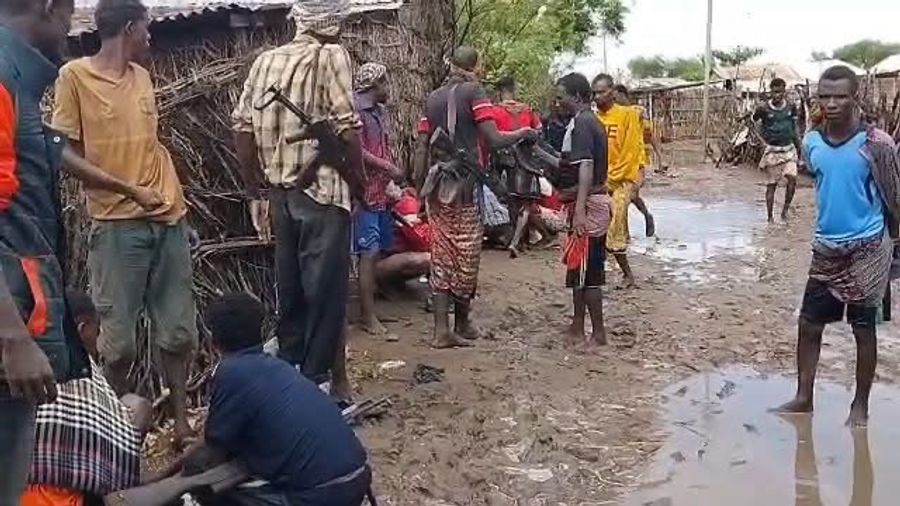
JALALAQSI, Somalia — June 20, 2026 — Fighting between rival clan militias in Jalalaqsi district of Somalia’s Hiraan region entered its fourth consecutive day on Saturday, with casualties continuing to rise and reports emerging of widespread destruction of civilian property.
According to local residents and security sources, at least 15 people have been killed and around 20 others injured since the clashes began earlier this week. The casualty figures have not yet been independently verified by authorities, and local sources warn the numbers could increase as fighting continues.
Residents told local media that tensions remain high across the district, where rival militias are reportedly facing each other in several areas. Witnesses said both sides have continued to mobilize fighters and receive reinforcements, increasing fears that another round of fighting could erupt at any moment.
The conflict has become one of the most serious outbreaks of clan violence reported in Hiraan region in recent months, raising concerns among community leaders and regional authorities about its humanitarian and security consequences.
Homes Burned Amid Ongoing Violence
Local residents reported that numerous homes were burned during the clashes, forcing families to flee their neighborhoods and seek safety elsewhere.
Videos circulated on social media appeared to show armed men and civilians setting fire to abandoned houses in parts of Jalalaqsi. While the footage has been widely shared online, its authenticity has not been independently verified.
According to witnesses, the destruction of homes has significantly worsened the impact of the conflict on civilians, many of whom have already been displaced by the violence.
“The situation is very difficult. Families have fled their homes, and many people are afraid to return because they fear more fighting,” one resident told local journalists.
The burning of homes has heightened concerns among community leaders that the conflict could leave long-term social and economic scars even if a ceasefire is reached in the coming days.
Rising Humanitarian Concerns
As the fighting enters its fourth day, concerns are growing over the humanitarian situation in Jalalaqsi.
Local residents say many families have been forced to leave their homes, while movement within the district has become increasingly restricted due to security fears. Businesses have reportedly reduced operations, and transportation routes have been disrupted by the ongoing violence.
Community leaders warn that continued fighting could lead to further displacement and place additional pressure on already vulnerable communities.
Although humanitarian agencies have not yet released official assessments, local sources indicate that the number of displaced families continues to rise as insecurity spreads across parts of the district.
Hirshabelle Calls for Immediate End to Fighting
The Hirshabelle State administration has called for an immediate end to the violence and urged community leaders to intervene.
In a statement released by the presidency, Hirshabelle expressed concern over the ongoing bloodshed and appealed to the warring sides to cease hostilities without conditions.
“The Hirshabelle Government is deeply saddened by the conflict and suffering that has occurred among neighboring communities,” the statement said.
The administration also called on traditional elders, religious scholars, and other respected figures in the region to intensify efforts aimed at restoring peace and preventing further loss of life.
Officials stressed the importance of dialogue and reconciliation to resolve the dispute before the situation deteriorates further.
Security Situation Remains Fragile
According to security sources, rival militias remained positioned inside Jalalaqsi on Saturday, maintaining a tense standoff despite ongoing appeals for calm.
Residents reported hearing sporadic gunfire in some areas, although no major confrontations were immediately reported during the morning hours.
Security observers say the continued presence of armed fighters and the mobilization of additional forces could complicate efforts to broker a ceasefire.
Local authorities have not yet announced any breakthrough in mediation efforts, and no formal agreement between the rival sides has been reported.
Jalalaqsi district, located in Somalia’s Hiraan region, has experienced periodic clan-related tensions over the years, often linked to disputes involving local influence, resources, and longstanding grievances.
Community elders have frequently played a key role in resolving such disputes through traditional mediation mechanisms. However, recent clashes demonstrate the challenges that remain in preventing local disagreements from escalating into armed confrontations.
The latest violence comes at a time when authorities in central Somalia are also dealing with broader security challenges, including ongoing operations against the militant group Al-Shabaab in several regions.
Analysts say recurring clan conflicts risk undermining stabilization efforts and can divert attention and resources away from wider security priorities.
Community elders, local officials, and regional authorities are expected to continue mediation efforts in an attempt to secure a ceasefire and prevent additional casualties.
Residents and community leaders have urged both sides to embrace dialogue and avoid actions that could deepen divisions between neighboring communities.
For now, the situation in Jalalaqsi remains tense and unpredictable, with civilians bearing the brunt of a conflict that has already claimed lives, injured dozens, displaced families, and destroyed homes.
As peace efforts continue, many residents hope a negotiated settlement can be reached before the violence escalates further and causes even greater humanitarian suffering across the district.