MOGADISHU, Somalia — June 29, 2026 —Economic activity across Somalia is showing gradual improvement as regional administrations, federal authorities, and private sector actors continue efforts to strengthen trade, investment, agriculture, and infrastructure development in major cities including Mogadishu, Baidoa, Kismayo, Garowe, Dhusamareb, and Jowhar.
Officials and business representatives say ongoing initiatives in ports, local markets, and agricultural production are contributing to increased commercial activity and improved business confidence across several regions.
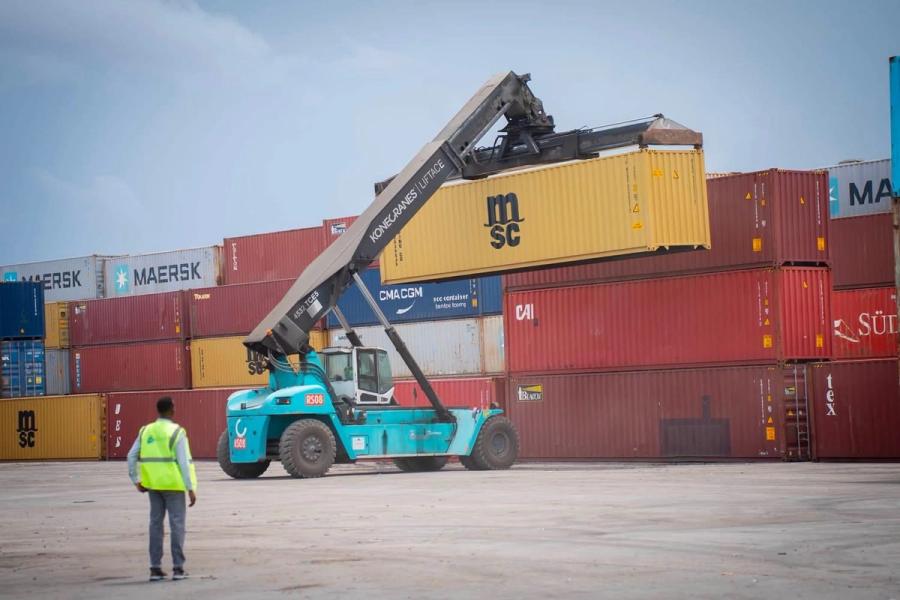
In Mogadishu, the Port of Mogadishu remains a central driver of national trade activity. Port authorities report continued improvements in logistics services and cargo handling capacity aimed at supporting import and export operations. According to officials, these developments are intended to enhance efficiency and strengthen Somalia’s connection to regional and global markets.
In Baidoa, local authorities are focusing on improving municipal revenue systems and simplifying business registration procedures. According to district officials, the measures are designed to support small and medium-sized enterprises and encourage local investment in trade and agriculture.
In Garowe, Puntland’s government is implementing its Fourth Five-Year Development Plan (2026–2030), which prioritizes economic growth, infrastructure development, and private sector investment. According to regional officials, the strategy aims to expand job opportunities and improve public services while attracting investment.
In Kismayo, commercial activity continues through the port and surrounding markets, with livestock exports and imports of essential goods supporting the regional economy. According to business operators, trade flows remain stable despite limited new project announcements.
In Dhusamareb, regional authorities continue efforts to strengthen local trade infrastructure and improve connectivity between districts. According to officials, focus remains on supporting small businesses and improving market access.
In Jowhar, agricultural activity remains a key part of the local economy. Farmers report improved seasonal conditions following recent rainfall, which has supported crop production. However, local residents and agricultural experts warn that rising river levels could increase flood risks in some areas.
Somalia’s economy continues to rely heavily on ports, agriculture, livestock trade, and small businesses. Over the past several years, government institutions and development partners have supported efforts to rebuild infrastructure, improve trade systems, and encourage private sector growth.
Mogadishu and Kismayo ports remain key entry and exit points for goods, while agricultural regions such as Jowhar and Baidoa play a central role in food production and domestic supply chains.
Economic Outlook
Economists say Somalia’s economic performance in 2026 will depend on continued investment in infrastructure, stability in trade routes, and climate conditions affecting agriculture.
Business communities are also closely monitoring inflation trends, currency stability, and import costs, which continue to influence consumer prices and market activity across the country.
The ongoing developments in Somalia’s major cities reflect gradual progress in rebuilding economic systems and strengthening trade networks. Improvements in port operations and local business environments may increase investor confidence and support job creation.
Agriculture remains a critical sector, particularly in regions such as Jowhar and Baidoa, where farming directly impacts food security and household income.
While progress is being made, sustained growth will depend on infrastructure development, security stability, and consistent policy implementation across federal and regional authorities.