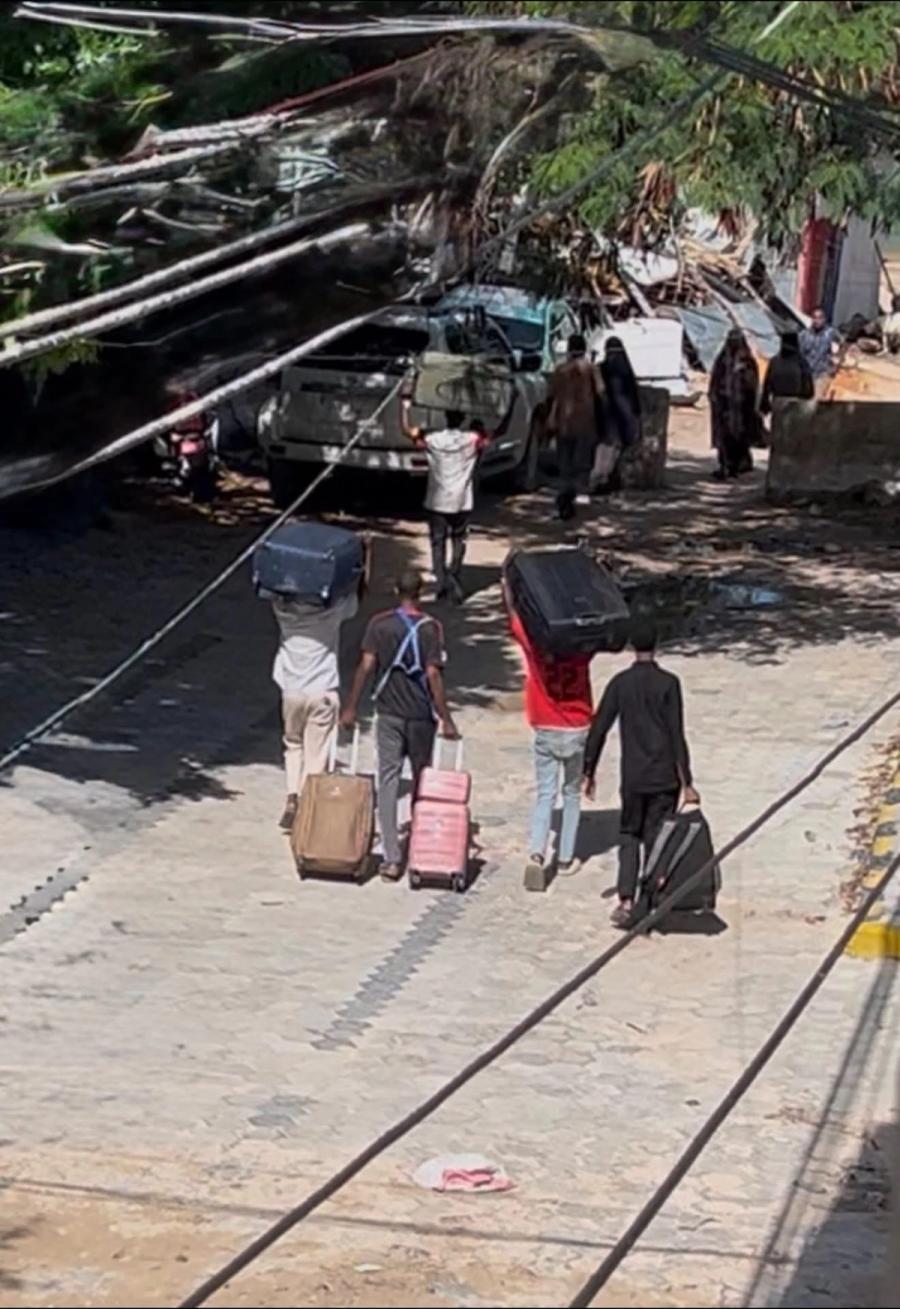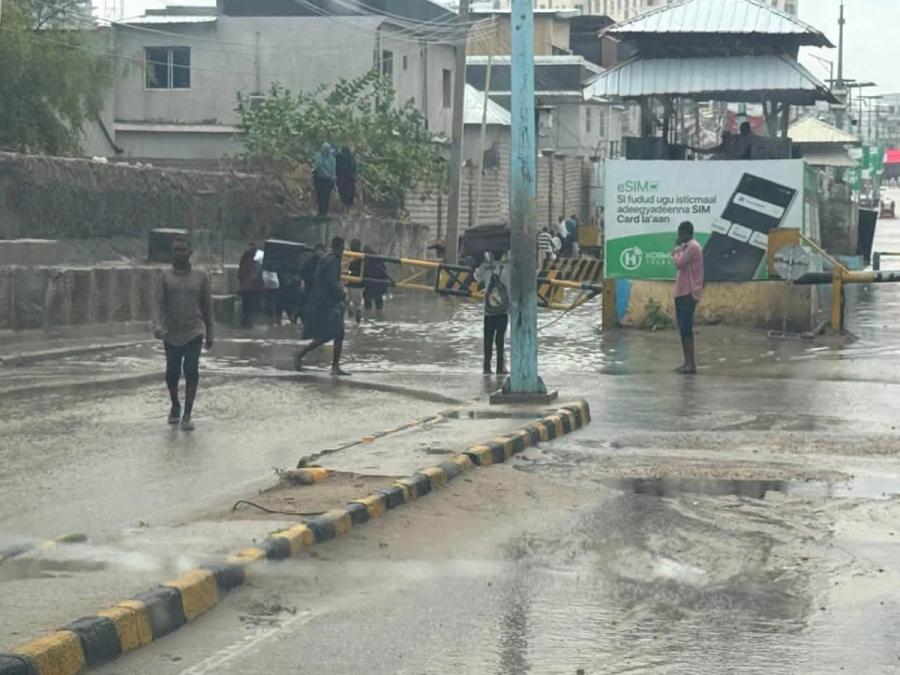
MOGADISHU, Somalia — June 24, 2026 —Residents in Somalia’s capital Mogadishu are experiencing severe transportation disruptions for a fifth consecutive day after key access roads leading to Aden Adde International Airport became difficult to pass. Locals report long walking distances, blocked routes, and increased transport hardship, according to residents and transport users.
Movement in Mogadishu has been heavily affected for five days in a row after key roads leading toward Aden Adde International Airport were reportedly impacted by flooding and difficult road conditions, according to local residents.
Residents said major access routes have become impassable in some sections, forcing people to walk long distances while carrying luggage and personal belongings. Commuters described the conditions as physically exhausting, especially for travelers heading to the airport.
According to residents, people coming from areas such as Heliwaa district face additional difficulties. Travelers attempting to reach the airport area are reportedly forced to reroute through Buulo Xuubey before continuing on foot toward the KM4 area, a major junction point for airport transport services.
Transport users also reported challenges accessing the Sahal service point near KM4, saying that passengers are required to pay additional costs for onward travel due to limited vehicle access in the affected areas. These claims could not be independently verified.
Local transport operators say the disruptions have reduced vehicle movement in and out of airport access roads, contributing to congestion and longer travel times across the city.
Authorities in Mogadishu have not yet issued a detailed public statement addressing the ongoing situation at the time of reporting.
Mogadishu has in recent years faced recurring infrastructure challenges, including flooding during seasonal rains, poor drainage systems, and road degradation in key urban corridors.
The roads connecting residential districts to Aden Adde International Airport are among the busiest transport routes in the city, serving travelers, logistics operators, and government traffic.
During periods of heavy rain, several low lying areas in the capital often experience water accumulation, which can disrupt transport and limit access to essential services.
The ongoing disruptions highlight the vulnerability of Mogadishu’s transport infrastructure, particularly in areas critical for national and international travel.
Limited accessibility to the airport affects not only passengers but also economic activity, logistics, and service delivery in the capital.
For residents, prolonged walking distances and increased transport costs add pressure to daily life, especially for those commuting from peripheral districts.