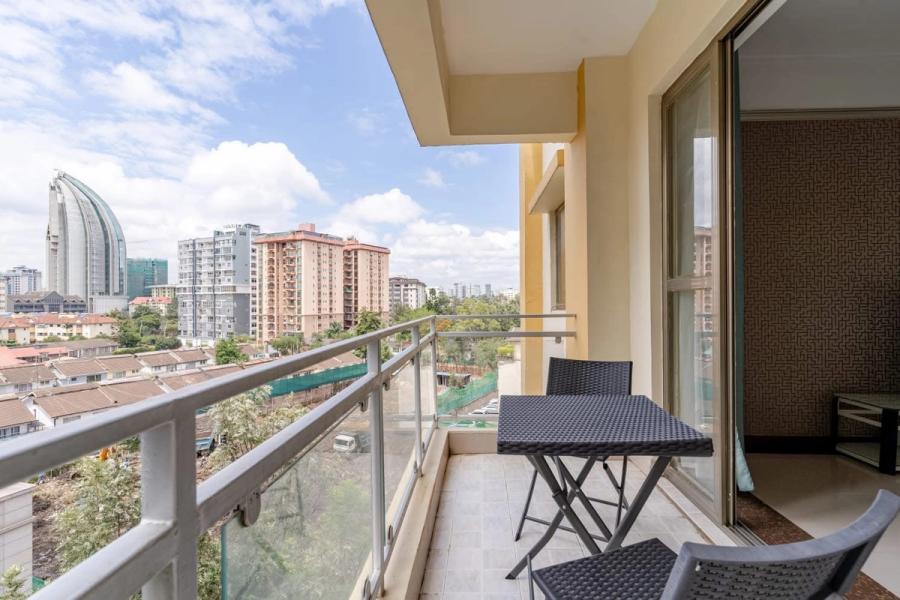
NAIROBI , Kenya — July 12, 2026 — Prices of apartment buildings in some of Nairobi’s most popular residential neighborhoods have declined for the second consecutive year due to an oversupply of housing units, according to a report by Kenya’s National Bureau of Statistics (KNBS). The decline has affected areas including Kilimani, Kileleshwa and Parklands, where developers are introducing incentives to attract buyers.
The KNBS report said the fall in apartment prices is linked to the increasing number of residential units constructed in Nairobi compared with current demand.
Property developers and real estate companies have responded by introducing measures aimed at encouraging buyers, including reduced prices, flexible payment arrangements and easier purchasing options.
The report noted that the growing supply of apartments in key Nairobi neighborhoods has created increased competition among developers, forcing companies to adjust their sales strategies.
Over the past decade, Somali investors have been among the most active buyers and investors in Nairobi’s apartment sector, particularly in high-demand areas where residential developments expanded rapidly.
The shift in market conditions has created new challenges for developers who previously benefited from strong demand for apartment units among local and international buyers.
Changing Housing Preferences in Nairobi
While apartment prices have declined in some parts of Nairobi, KNBS reported that demand for privately owned villas and low-rise residential properties has increased.
According to the report, homes that include individual plots of land have become more attractive to buyers, contributing to rising prices for villas and standalone houses.
The trend reflects a growing preference among some buyers for properties that provide land ownership rather than apartment units with shared spaces.
Real estate analysts have linked the change to concerns among buyers about long-term property value, ownership rights and investment returns.
Impact on Property Developers and Investors
The decline in apartment prices has placed pressure on construction companies and property investors who invested heavily in Nairobi’s residential building boom.
Developers who built large numbers of apartment units are now competing for fewer buyers, leading some companies to offer discounts and alternative payment plans.
For Somali investors, who have contributed significantly to Nairobi’s property sector, market changes may require adjustments in investment strategies as demand patterns continue to shift.
Nairobi has historically attracted Somali business communities and investors due to its economic opportunities, regional connections and expanding real estate sector.
Areas such as Kilimani, Kileleshwa and Parklands became particularly attractive because of their location, infrastructure development and proximity to commercial centers.
Background to Nairobi’s Property Market
Nairobi’s real estate sector experienced rapid growth over the past decade, driven by urban expansion, population growth and increased investment in residential developments.
Apartment construction expanded significantly in areas close to the city center as developers sought to meet demand from middle-income residents, professionals and investors.
The growth of apartment buildings transformed neighborhoods that previously consisted mainly of traditional residential homes.
However, the rapid increase in construction has created concerns about whether supply has exceeded demand in some areas.
The latest KNBS findings indicate that while some segments of the property market are experiencing pressure, demand remains strong for certain types of housing, particularly homes with privately owned land.
The decline in Nairobi apartment prices highlights a shift in Kenya’s housing market, where increased construction has changed the balance between supply and demand.
For investors, including many Somali buyers who have invested in Nairobi’s apartment sector, the changing market conditions could influence future decisions on property purchases and development projects.
The trend also shows that buyers are becoming more selective, placing greater importance on land ownership and long-term property value.
As Nairobi continues to expand, developers may need to adjust their strategies by focusing on market demand, location preferences and housing types that match changing consumer priorities.