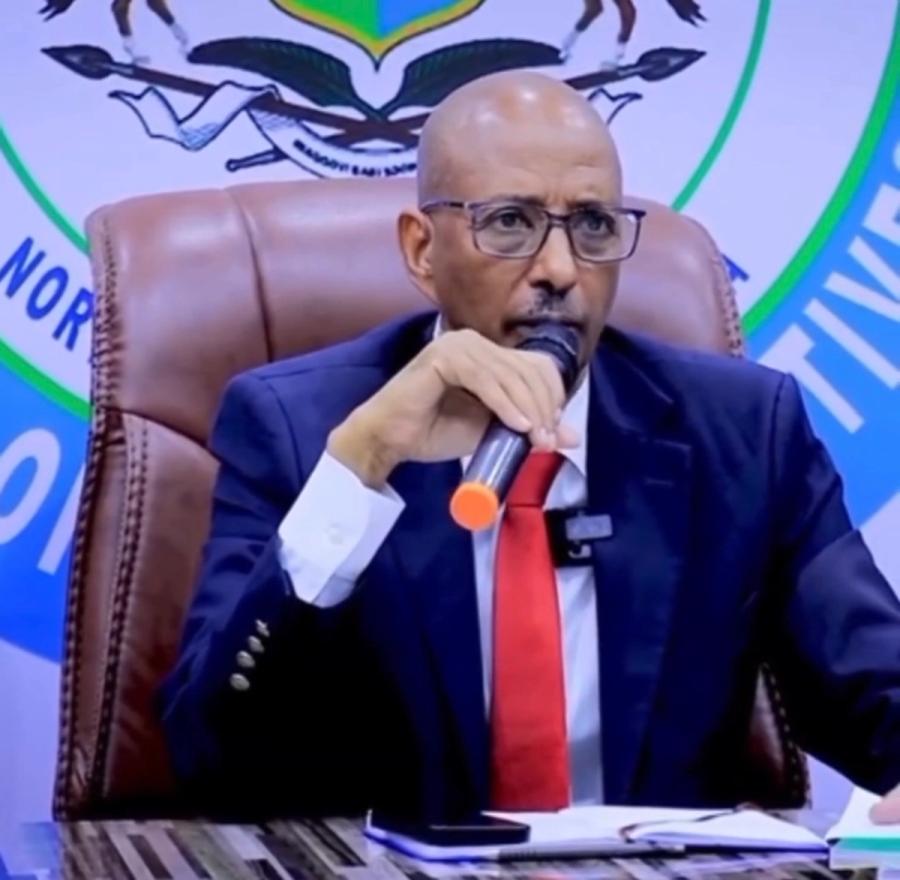
MOGADISHU, Somalia — July 18, 2026 —The Speaker of the North East Somalia Parliament has announced the removal of parliamentary immunity from lawmaker Fahiima Yuusuf Quuje following her decision to join Somaliland, accusing her of abandoning the administration she was elected to represent.
The parliamentary leadership said Quuje’s political move amounted to a breach of her responsibilities as a member of parliament. The Speaker described her defection as a serious political violation, saying she had “destroyed what she took an oath to protect.”
The decision was announced after Quuje publicly aligned herself with Somaliland, a move that has sparked strong reactions from officials in North East Somalia.
“Fahiima Yuusuf Quuje has become an enemy of the North East Somalia administration. What she swore to protect, she has destroyed,” the Speaker said while announcing the removal of her immunity.
According to parliamentary officials, the decision was based on Quuje’s departure from the political position of the administration she previously represented.
The removal of parliamentary immunity means Quuje no longer holds the legal protections granted to members of the regional legislature, according to officials.
Quuje has not publicly responded in detail to the decision or addressed the accusations made against her by the parliamentary leadership.
Political Reaction and Growing Tensions
The move has increased political tensions between North East Somalia and Somaliland, two administrations that have competing claims over parts of the Sool region, including Las Anod.
Officials from North East Somalia have criticized Quuje’s decision to join Somaliland, while Somaliland authorities have welcomed her move as a political gain.
The dispute comes at a sensitive time, as both sides continue to compete for political influence in areas affected by the 2023 conflict in Las Anod.
Fahiima Yuusuf Quuje became widely known during the 2023 fighting in Las Anod between Somaliland forces and local armed groups opposing Somaliland’s authority in the city.
During that conflict, Quuje was seen participating in activities supporting forces opposed to Somaliland’s control of Las Anod. Her role during the conflict made her a prominent political figure among groups opposed to Somaliland’s administration of the area.
Las Anod has remained one of the most contested areas in northern Somalia, with residents, political groups, and administrations holding different positions over its future governance.
Following the withdrawal of Somaliland forces from Las Anod after months of fighting, the city came under the influence of local authorities supported by sections of the community and aligned with broader Somali federal interests.
The creation of North East Somalia has added another layer to the political competition in the region, as the administration seeks to establish its authority while Somaliland continues to maintain its claim over Sool and other disputed territories.
The North East Somalia Parliament has defended its decision, saying lawmakers are expected to remain committed to the administration and its political objectives.
Officials have not announced whether further legal or political measures will be taken against Quuje following the removal of her immunity.
Somaliland authorities have not yet issued an official statement regarding the parliamentary decision, although Quuje’s move has been viewed by Somaliland supporters as a significant political development.
The decision is expected to trigger further political discussions over the future role of Fahiima Quuje and the broader dispute between North East Somalia and Somaliland.
Observers say the situation could further influence political alliances in Sool and surrounding areas, where competing administrations continue to seek public and political support.
The next steps will depend on whether Quuje challenges the parliamentary decision, seeks a formal political role in Somaliland, or makes further public statements about her future plans.
The removal of Fahiima Quuje’s parliamentary immunity highlights the deep political divisions surrounding territorial control and governance in northern Somalia.
Her defection represents a significant political shift because of her previous involvement in the Las Anod conflict, where she became associated with groups opposing Somaliland’s presence in the city.
The development could affect political relations between North East Somalia and Somaliland at a time when both administrations are attempting to strengthen their influence in disputed areas.