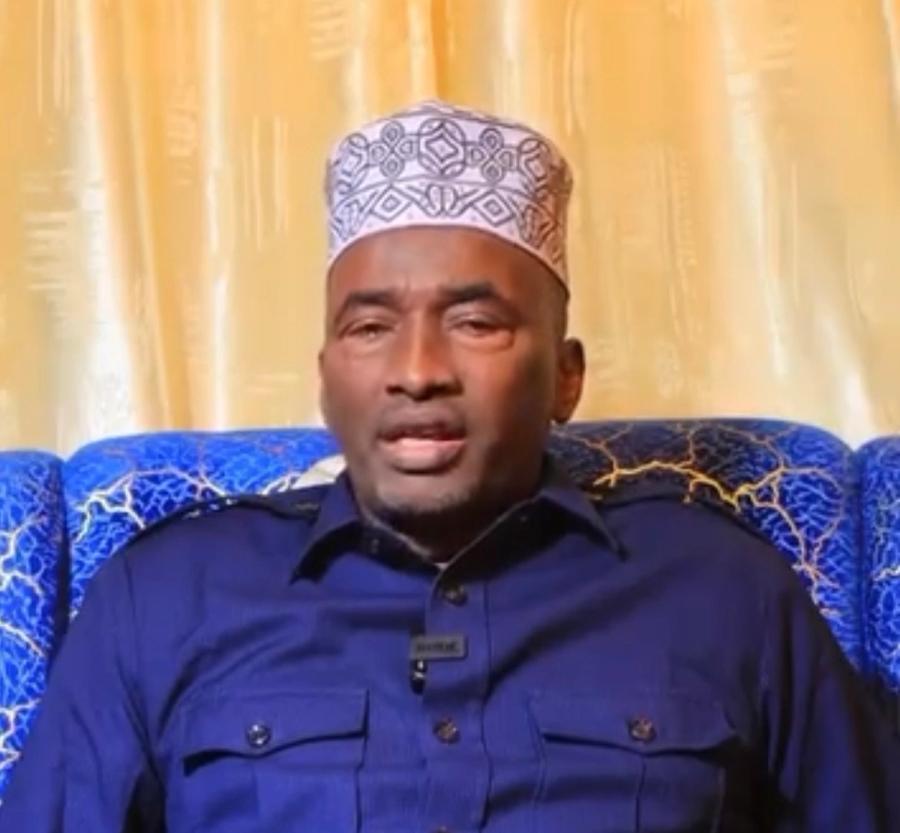
MOGADISHU, Somalia, June 23, 2026- Prominent Sufi cleric Sheikh Soomow has publicly called on members of Somalia’s national security forces not to follow the directives of President Hassan Sheikh Mohamud, escalating political rhetoric amid ongoing debates over governance, security, and the country’s electoral future.
Speaking during a public address in Mogadishu, Sheikh Soomow accused the federal government of targeting him because of what he described as clan ties to former Somali President Sheikh Sharif Sheikh Ahmed. The cleric also claimed that his religious activities and public teachings had been disrupted.
The remarks have attracted attention across Somalia’s political and religious circles, with observers noting that statements from influential religious leaders often resonate beyond their immediate followers and can shape broader public discourse.
Addressing supporters and members of the public, Sheikh Soomow urged Somalia’s armed forces to disregard orders issued by President Hassan Sheikh Mohamud.
“National forces should not follow the orders of President Hassan Sheikh, whose term has ended. What has happened has already happened. I was specifically targeted because of my clan ties to former President Sheikh Sharif Sheikh Ahmed,” Sheikh Soomow said.
The cleric did not provide evidence to support his allegations, and his claims have not been independently verified.
According to individuals familiar with the matter, Sheikh Soomow has recently voiced concerns regarding restrictions affecting his religious activities. He alleged that lessons and religious lectures he previously conducted had been interrupted.
No immediate response was issued by the Somali federal government or the Office of President Hassan Sheikh Mohamud regarding the remarks.
Government Response
As of Tuesday evening, Somali authorities had not publicly commented on the accusations made by the cleric.
Government officials have previously rejected allegations from political opponents and critics who accuse the administration of using state institutions to target rivals. Federal authorities have consistently maintained that security measures undertaken by government agencies are intended to uphold national security and public order.
It remains unclear whether the government will formally respond to Sheikh Soomow’s latest statements.
Political and Religious Significance
Sheikh Soomow is widely known in Mogadishu and other parts of Somalia as a prominent Sufi religious figure. His sermons and religious teachings have attracted significant audiences over the years.
Religious leaders have historically played an influential role in Somali society, often serving as mediators during political disputes and security crises. Their opinions frequently carry weight among communities and political actors alike.
Political analysts say comments from respected religious figures can influence public debate, particularly during periods of heightened political tension.
Somalia continues to face complex political and security challenges as federal leaders, regional administrations, opposition groups, and civil society organizations debate the country’s political future and electoral arrangements.
The country has experienced recurring disagreements over constitutional issues, power-sharing arrangements, and election models. Similar disputes in previous years have led to tensions between government institutions and opposition figures.
Former President Sheikh Sharif Sheikh Ahmed remains an influential political figure and has at times been critical of the federal government’s policies. Relations between the government and opposition leaders have periodically become strained over issues related to governance, elections, and national security.
At the same time, Somalia remains engaged in military operations against the militant group Al-Shabaab, with security authorities emphasizing the need for unity among political actors and state institutions during ongoing counterinsurgency efforts.
It remains uncertain whether Sheikh Soomow’s remarks will trigger a formal political response or further public exchanges between government officials and critics of the administration.
Observers say attention will now focus on whether federal authorities address the allegations and whether political leaders seek to de-escalate tensions through dialogue.
The situation also highlights the continued influence of religious leaders in Somali public life and the intersection between politics, clan dynamics, and religious authority.
The comments by Sheikh Soomow are significant because they come from a prominent religious figure rather than a conventional political actor. Statements from influential clerics often receive broad attention and can shape public perceptions during politically sensitive periods.
The allegations also underscore the persistent role of clan affiliations in Somali politics. Claims that individuals are being targeted because of political or clan associations can deepen existing tensions if left unaddressed.
For the federal government, maintaining confidence in state institutions and security forces remains a priority as the country confronts security threats and political challenges. Any public dispute involving respected religious leaders is likely to attract close scrutiny from both supporters and critics of the administration.