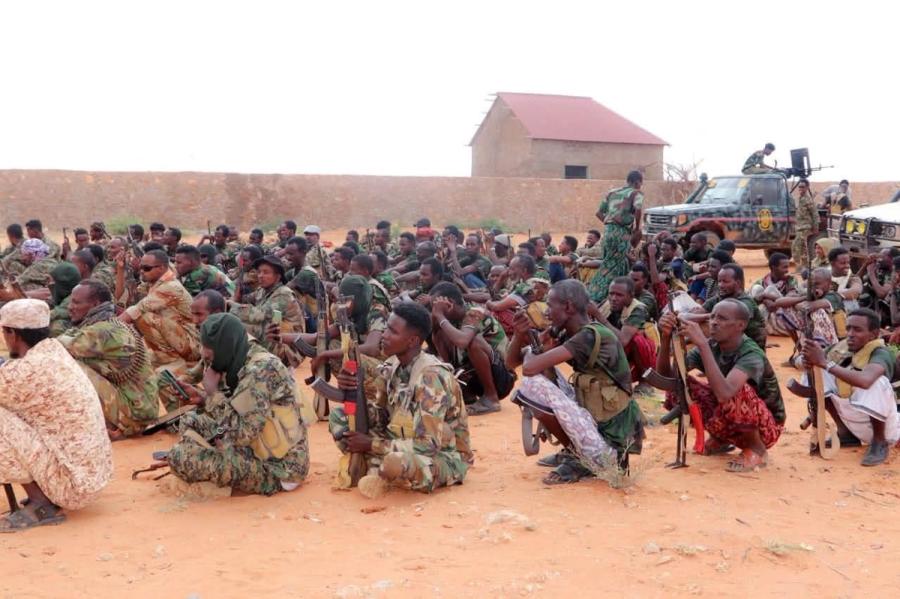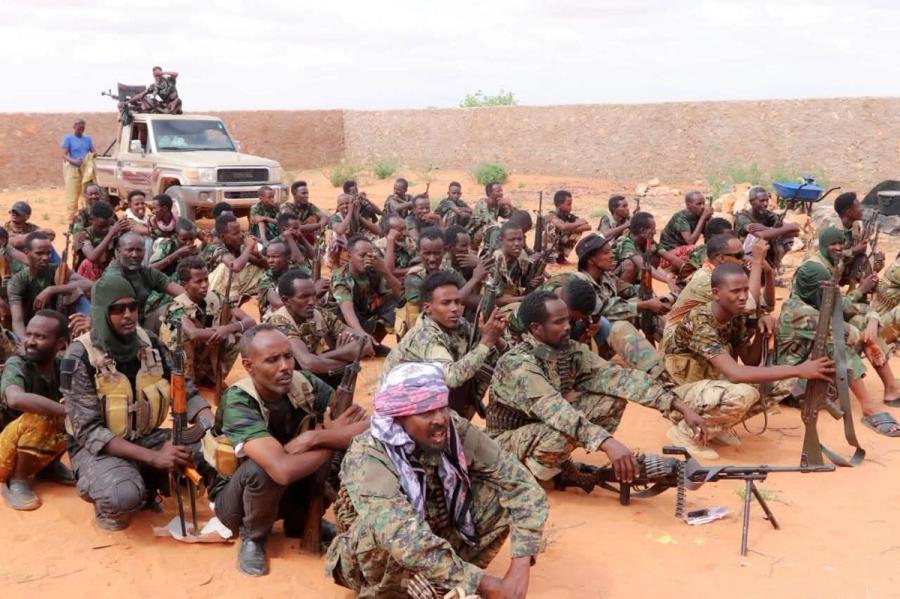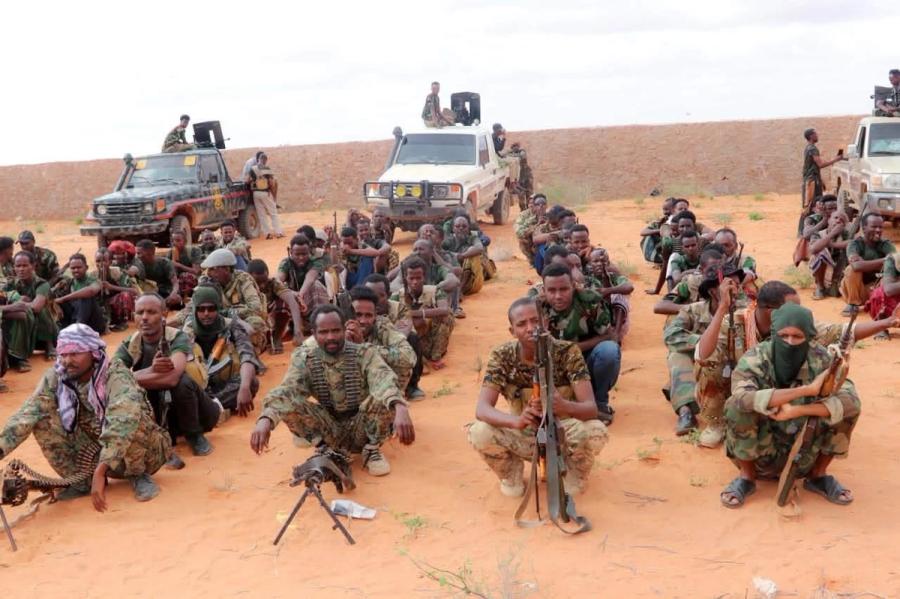
MOGADISHU, Somalia — July 4, 2026 — Puntland authorities have assumed control of around 200 militia fighters in the Samasabdho area near Galkayo in Somalia’s Mudug region, officials said, in a move that comes amid rising tensions with Somalia’s federal government over military recruitment efforts in Puntland-administered territories.
Latest Developments
The fighters were handed over to Puntland officials on Friday after local community leaders from the Nuux Jibraahil clan, one of the communities residing in Mudug region, transferred responsibility for the group to a delegation dispatched by the Puntland administration.
According to Puntland officials who visited the area, the fighters will be formally integrated into Puntland’s security forces and placed under the authority of the regional administration.
Officials said the government would assume responsibility for the personnel, including their future deployment and administration within Puntland’s security structure.
The development took place in Samasabdho, a locality under the administration of Galkayo district in Mudug region, where local authorities had reportedly become concerned that the fighters could join a military recruitment campaign being conducted by Somalia’s federal government in parts of Puntland.
Community representatives involved in the handover stated that the transfer was intended to ensure the fighters remained under Puntland’s command structure.
No clashes or security incidents were reported during the handover process.
Government Response
Puntland authorities described the move as part of efforts to strengthen regional security institutions and bring local armed groups under formal command.
Members of the Puntland delegation said the fighters would undergo a process of incorporation into the Puntland Defense Forces and would become part of the region’s recognized security apparatus.
The Puntland administration has repeatedly voiced opposition to military recruitment activities conducted by Somalia’s federal government inside Puntland territories, arguing that such initiatives should be coordinated with regional authorities.
Federal government officials have previously defended recruitment efforts as part of broader national security and force-generation programs aimed at strengthening Somalia’s armed forces.
There was no immediate public response from federal authorities regarding the latest transfer of fighters in Mudug.
Relations between Puntland and Somalia’s federal government have experienced periodic tensions over issues including constitutional arrangements, security cooperation, resource sharing, and the authority to recruit and command security forces.
In recent months, disagreements over military recruitment have become a major point of contention between the two sides.
Puntland leaders have accused federal authorities of conducting recruitment campaigns without consultation and have warned that such activities risk creating parallel chains of command within the region.
Federal officials, meanwhile, have maintained that national recruitment efforts are necessary to strengthen Somalia’s security institutions and support ongoing stabilization efforts across the country.
The dispute has unfolded against the backdrop of continuing security challenges in several parts of Somalia, where federal and regional administrations often cooperate on counterterrorism and stabilization operations but occasionally disagree on jurisdiction and command structures.
Security analysts note that control over armed personnel remains a sensitive issue in Somalia’s federal system, where both federal and regional authorities maintain security institutions.
Current Situation
The approximately 200 fighters are now expected to be processed for integration into Puntland’s security forces.
Officials have not released details regarding the timeline for their formal incorporation, training arrangements, or future deployment locations.
Local residents said the transfer occurred peacefully and under the supervision of Puntland representatives and community elders.
Security sources indicated that authorities are monitoring the situation closely amid ongoing competition between Puntland and the federal government over recruitment activities in the region.
Puntland authorities are expected to continue efforts to absorb local armed groups into formal security institutions as part of wider security sector initiatives.
Observers say attention will now focus on whether federal recruitment activities continue in Puntland-administered areas and how both sides manage their differences over security governance.
Any future negotiations between Puntland and the federal government could address coordination mechanisms for military recruitment and force integration, issues that have become increasingly prominent in recent weeks.
The transfer of approximately 200 fighters to Puntland’s control highlights the growing competition between regional and federal authorities over security management in Somalia. Control of armed personnel remains a central issue in the country’s evolving federal system.
The development may strengthen Puntland’s security forces by bringing a sizable group of fighters under an established command structure. Regional authorities have long argued that integrating local armed groups into formal institutions helps improve accountability and security coordination.
Politically, the incident underscores broader tensions between Puntland and the federal government regarding authority, governance, and security responsibilities. Disagreements over military recruitment could become a significant point of discussion in future federal-regional relations.