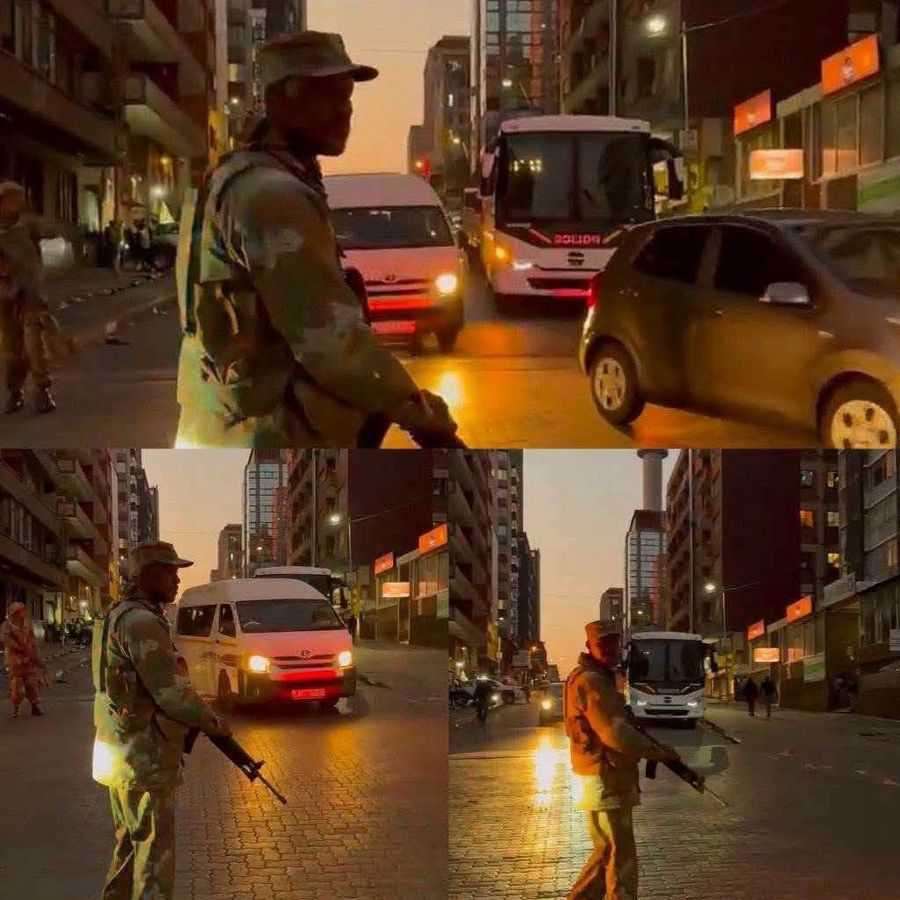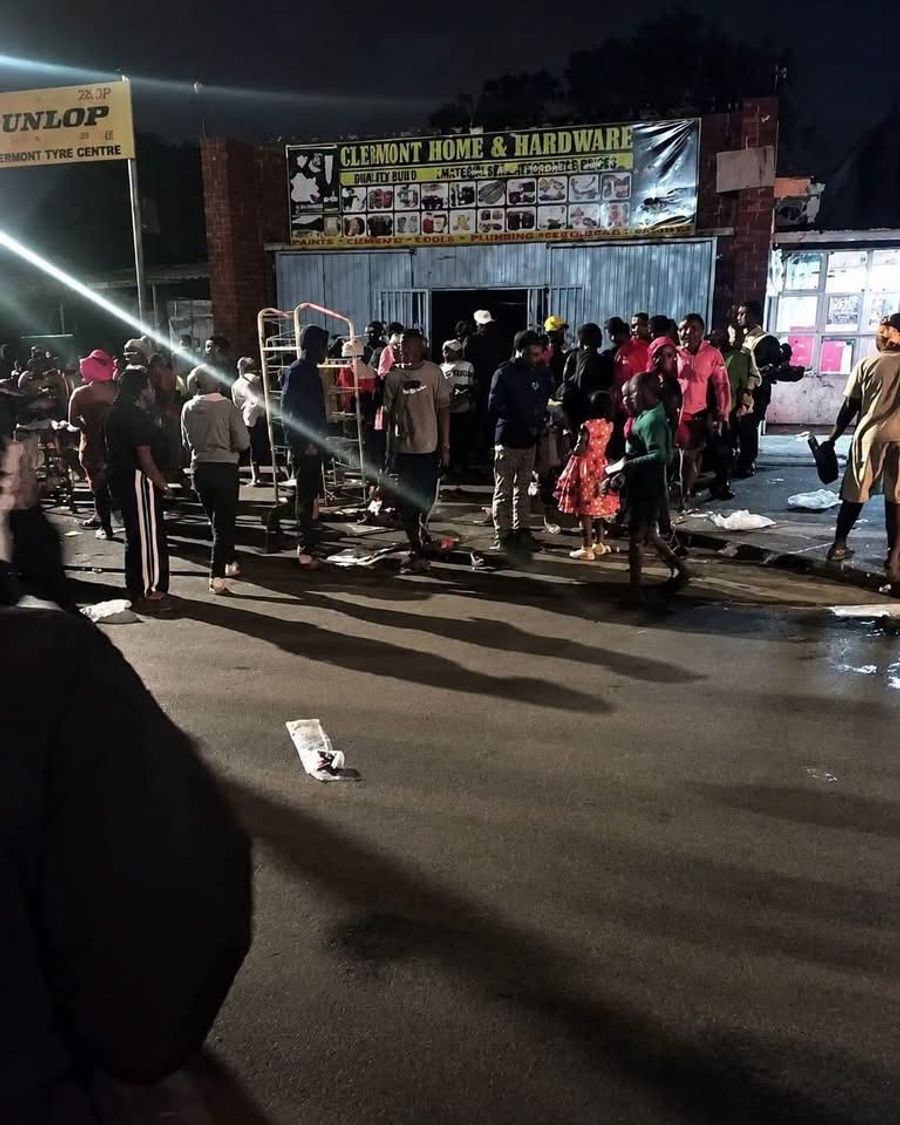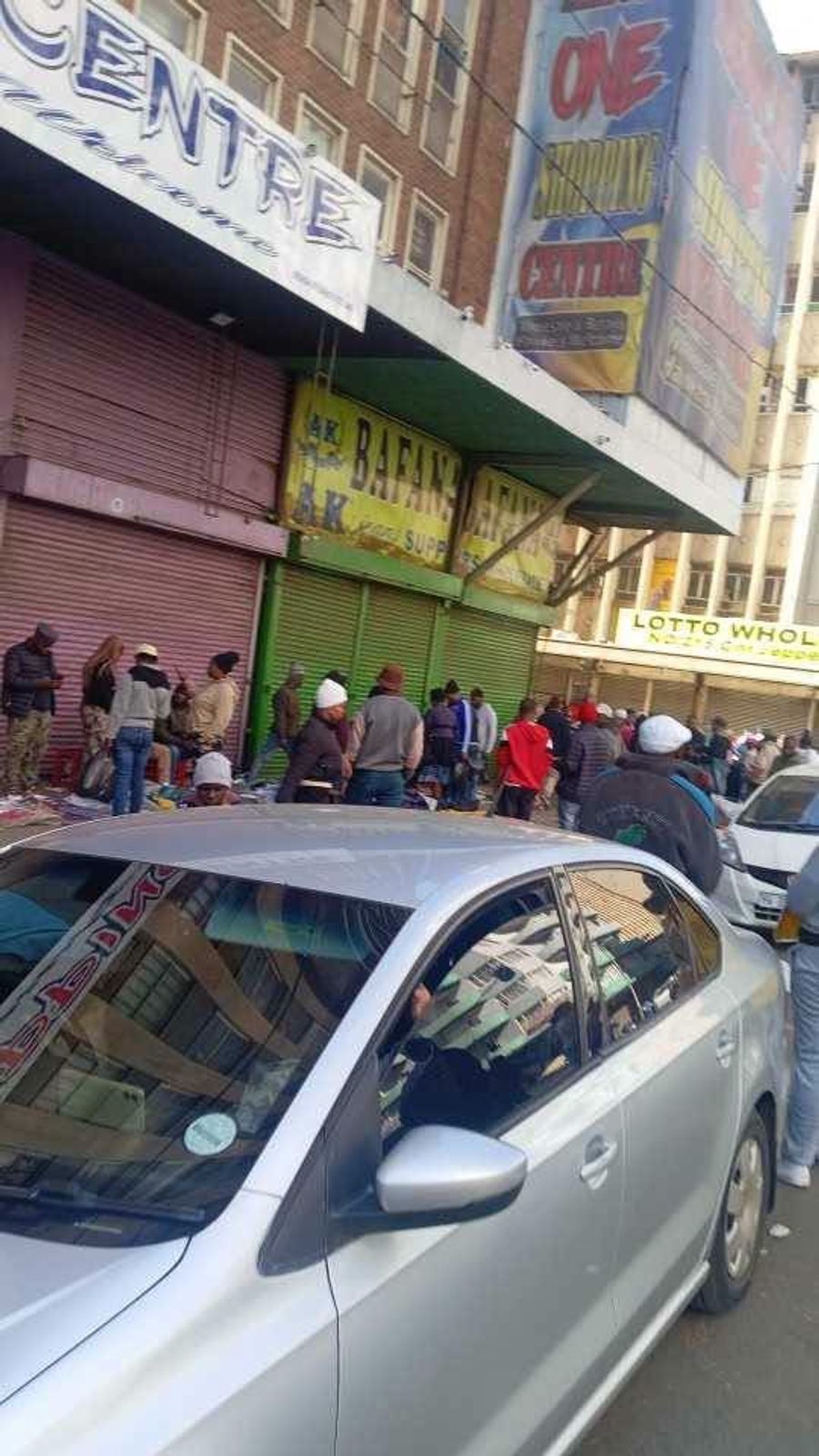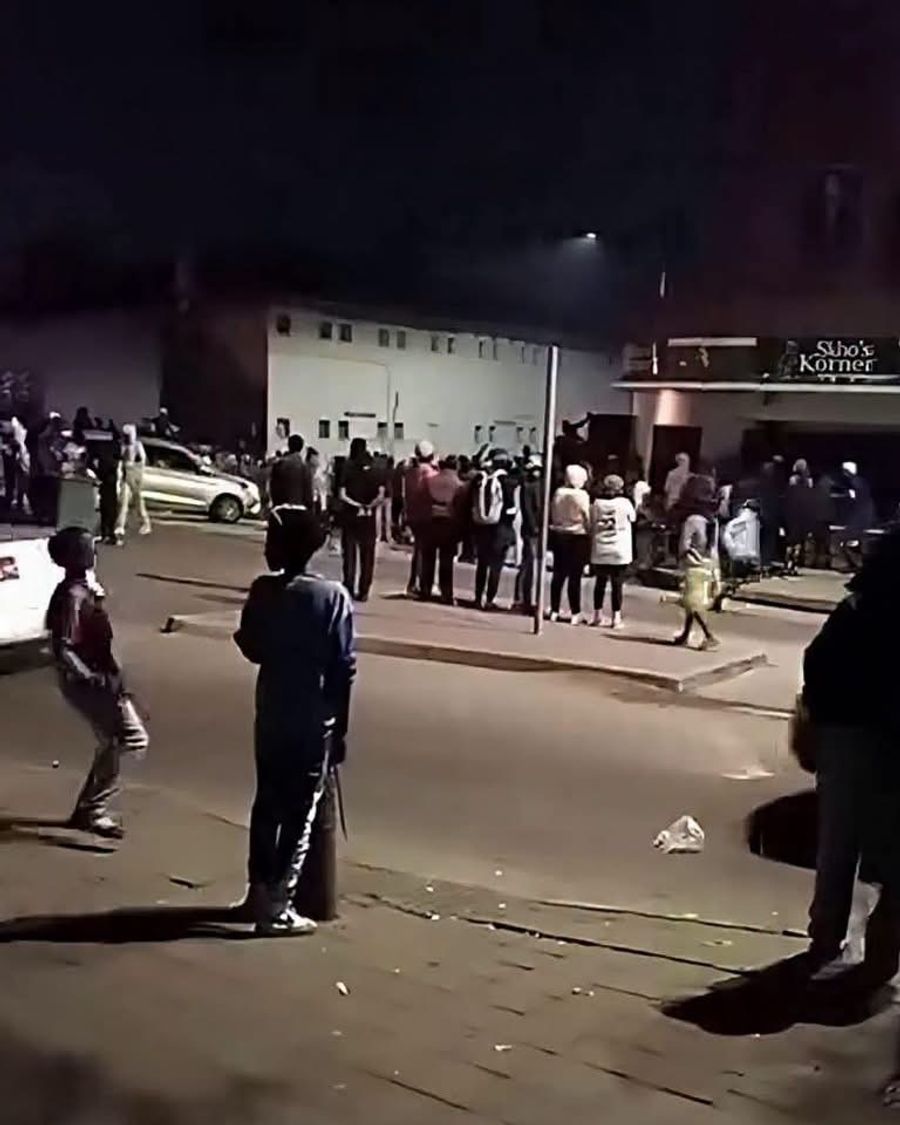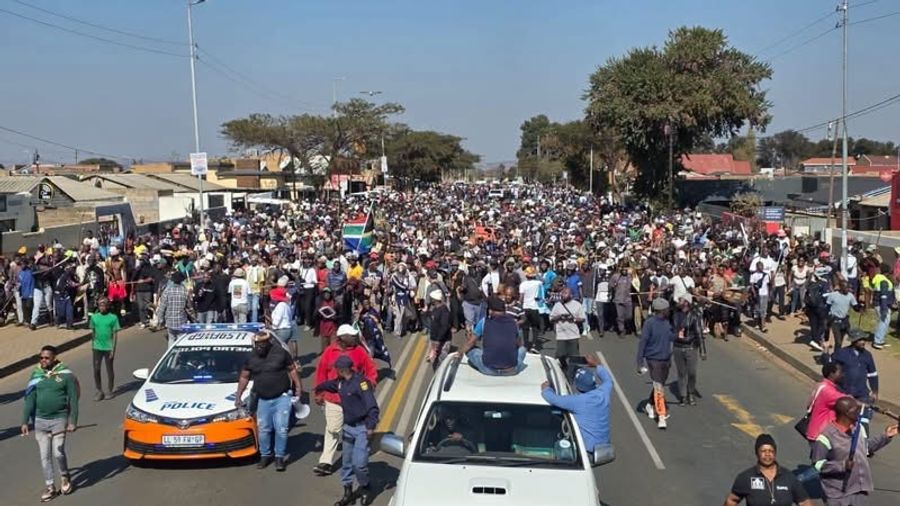
Cape Town, South Africa — July 5, 2026 — Somali-owned businesses in South Africa’s city of Cape Town have reportedly been targeted during ongoing anti-foreigner protests, according to Somali traders and community members, who say organized groups attacked commercial premises and forced many shop owners to close their businesses and seek safety.
The latest incidents have heightened concerns among Somali refugees, migrants, and entrepreneurs living in South Africa, where foreign nationals have periodically faced hostility, violence, and intimidation over the past several years.
According to Somali business owners in Cape Town, groups of protesters recently moved through areas where foreign-owned businesses operate, targeting shops and commercial premises run by Somali nationals.
Several traders told local community networks that they were forced to shut down their businesses after receiving reports of attacks and threats linked to the ongoing demonstrations.
One Somali trader, speaking about the situation, said business owners were compelled to abandon their shops and prioritize their safety as tensions escalated.
“We were attacked and the police could not stop what was happening. We closed our businesses and fled. Right now, we are trying to protect our lives,” the trader said.
Community members reported that many Somali-owned businesses remained closed following the incidents, while some owners relocated temporarily to safer areas amid fears of further violence.
The scale of the damage and the exact number of affected businesses could not be independently verified. South African authorities had not immediately released official figures regarding the reported attacks.
Somali Community Reports Growing Fear
Members of the Somali community in South Africa say the latest unrest has created widespread anxiety among refugees and migrants who depend on small businesses for their livelihoods.
According to community representatives, Somali traders have increasingly become concerned about their security as anti-foreigner demonstrations continue in several areas.
Witnesses and local residents told community organizations that some groups participating in the protests accused foreign nationals of taking economic opportunities from local citizens, a claim frequently raised during previous waves of anti-immigrant unrest in South Africa.
Somali business owners have long been active in township and neighborhood retail sectors across the country, often operating convenience stores and small-scale trading enterprises.
Community leaders said the latest attacks have disrupted business operations and left many families uncertain about when they will be able to reopen their shops.
Government Response
Several Somali traders alleged that security personnel were present during some of the reported incidents but did not intervene effectively to stop attacks against businesses.
Those claims have not been independently verified, and authorities have not publicly responded to the specific allegations made by affected traders.
South African police have previously stated during similar incidents that law enforcement agencies remain committed to maintaining public order and protecting residents regardless of nationality.
At the time of publication, no official statement had been released regarding the latest reports involving Somali-owned businesses in Cape Town.
South Africa has experienced multiple waves of xenophobic violence over the past two decades, with foreign nationals from various African countries frequently affected.
Migrants and refugees from Somalia, Ethiopia, Zimbabwe, Nigeria, Mozambique, and other countries have periodically reported attacks on businesses, looting incidents, and threats during periods of social and economic tension.
Somali entrepreneurs have been among the communities most frequently impacted by such incidents because many operate small retail businesses in areas where competition for economic opportunities is intense.
Previous outbreaks of anti-foreigner violence have resulted in deaths, injuries, property destruction, and the displacement of foreign nationals. Human rights organizations have repeatedly called on authorities to strengthen protections for vulnerable migrant communities.
In recent years, community groups have also urged greater dialogue between local residents, government institutions, and migrant communities to reduce tensions and prevent future violence.
Community leaders are closely monitoring developments in Cape Town and other affected areas as security concerns persist.
Somali traders say they are waiting for assurances from authorities before fully reopening some businesses that were temporarily shut down during the unrest.
Observers say the response of local authorities and security agencies in the coming days could play a significant role in determining whether tensions ease or further incidents occur.
Human rights advocates and migrant support organizations are also expected to continue engaging with government officials regarding the protection of foreign nationals and the prevention of additional attacks.
The latest attacks highlight the continued vulnerability of migrant communities in South Africa, particularly small business owners who rely on local commerce as their primary source of income.
For many Somali families, retail businesses represent not only a livelihood but also a critical source of financial support for relatives both inside South Africa and abroad. Prolonged disruptions could therefore have broader economic consequences beyond the affected communities.
The incidents also raise concerns about community relations and public security. Repeated episodes of anti-foreigner violence can undermine social cohesion and create long-term uncertainty for both local residents and migrant populations.