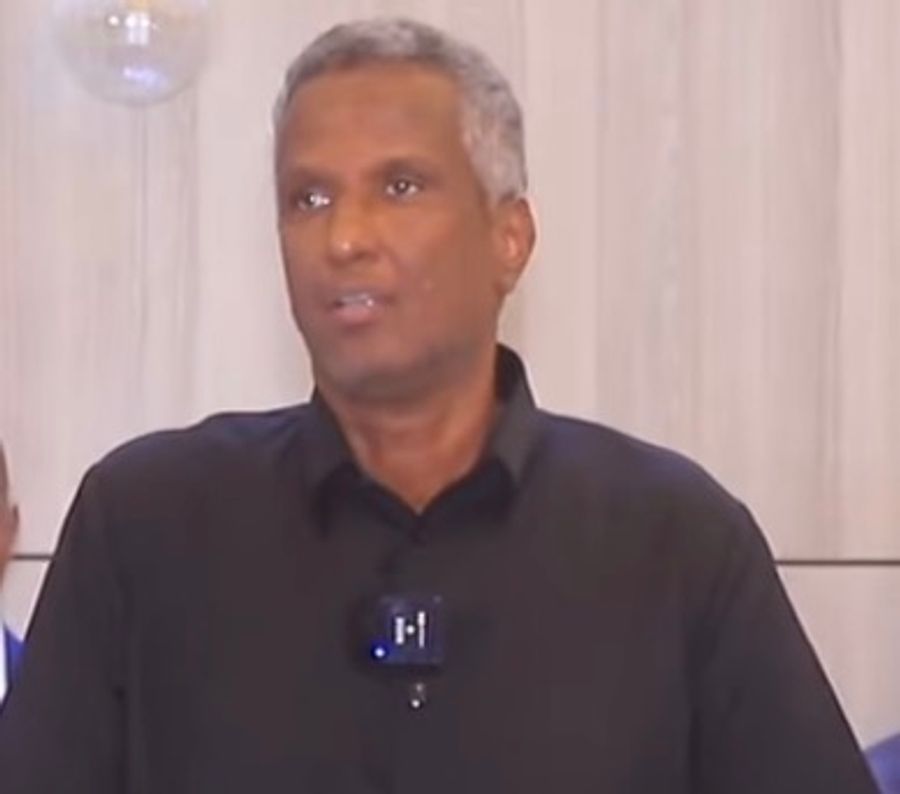
MOGADISHU, Somalia — May 25, 2026 —Somali Member of Parliament Abdirahman Abdishakur Warsame has accused President Hassan Sheikh Mohamud of attempting to consolidate political power beyond his constitutional mandate, warning that Somalia is facing growing institutional instability, declining public trust, and widening divisions within the government and security sector.
In a strongly worded statement, the opposition lawmaker said the president is relying on informal political consultations with clan leaders in Mogadishu while seeking what he described as support for an “illegal one-year extension” of his mandate.
Latest Developments
According to MP Abdirahman Abdishakur, the current political environment reflects increasing fragmentation within Somalia’s governance system, with tensions spreading beyond the opposition into state institutions.
He claimed that some of the president’s political allies have begun engaging opposition figures and other political stakeholders due to what he described as loss of confidence in the leadership’s ability to manage the political transition.
The MP said this shift has led to renewed calls for a more inclusive and consensus-based electoral process involving all political actors.
Warsame further alleged that instability is no longer confined to political disputes but has extended into the security sector, where he pointed to claims of corruption, favoritism, nepotism, and irregular promotions within the armed forces.
According to him, these issues have contributed to declining morale among officers and soldiers, creating what he described as a “fragile and sensitive situation” within the military structure.
He did not provide documentary evidence to support these claims.
Security and Institutional Concerns
The lawmaker said growing mistrust is now visible within parts of the security forces and between senior leadership and sections of the military not aligned with political leadership.
According to Warsame, this internal strain poses risks to institutional stability at a time when Somalia continues to face security challenges from armed groups.
Security officials have not publicly responded to the allegations.
Government institutions have previously rejected similar accusations, maintaining that military reforms and security operations are being carried out under established command structures and legal frameworks.
Electoral Disputes in Federal States
Warsame also criticized electoral processes in South West State and Galmudug, claiming that recent political arrangements are being structured to produce predetermined outcomes.
He said such practices undermine public trust and weaken confidence in Somalia’s federal and electoral systems.
According to him, disputes over regional elections are contributing to broader national tensions between federal and regional authorities.
Youth and Public Confidence
The MP warned that Somali youth are increasingly questioning governance practices, particularly issues related to corruption, favoritism, and political legitimacy.
He said rising public awareness and scrutiny could further challenge the government’s authority if reforms are not introduced.
Warsame added that attempts to suppress political dissent would not resolve underlying structural problems.
Government Response
There was no immediate official response from the Federal Government of Somalia regarding the statements made by MP Abdirahman Abdishakur Warsame at the time of publication.
Government officials have previously denied accusations of unconstitutional political activity and insist that governance processes, including elections, are conducted within legal and institutional frameworks.
Somalia continues to face political disputes over constitutional interpretation, electoral systems, and power-sharing between federal and regional administrations.
Abdirahman Abdishakur Warsame is a prominent opposition figure who has frequently criticized government policies on governance, elections, and security reforms.
The Somali National Army and other security institutions have undergone ongoing reform processes in recent years, though concerns about capacity, accountability, and structure remain part of public debate.
Political tensions have increased as Somalia approaches key electoral milestones, with disagreements over timelines and implementation frameworks.
Political tensions are expected to continue as opposition figures maintain pressure on the federal government over governance and electoral reforms.
Security institutions are likely to remain under scrutiny as political debate over military organization and accountability continues.
No formal dialogue mechanism has been announced to address the latest allegations.
Further statements from government and opposition leaders are expected in the coming days.
The remarks reflect deepening political polarization in Somalia’s governance system, particularly over electoral legitimacy and constitutional interpretation.
Allegations of internal military strain, if unaddressed, could raise concerns about cohesion within security institutions at a sensitive time.
The widening gap between government and opposition positions highlights the absence of a unified political framework for managing elections and institutional reforms.
Analysts say sustained political dialogue will be necessary to prevent further escalation and strengthen public trust in state institutions.