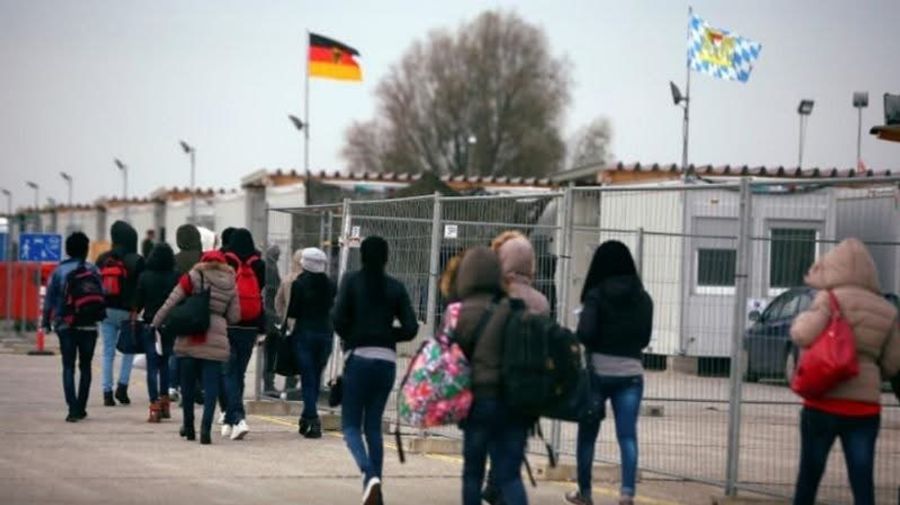
MOGADISHU, Somalia — September 14, 2026 — Somalia’s Federal Government is reportedly preparing to facilitate the return of around 1,900 Somali nationals from Germany in October, with a four-member government delegation expected to travel to Berlin on October 3 to discuss arrangements, sources familiar with the plan said.
The proposed operation would involve Somali nationals currently living in Germany, according to the sources, who said preparations were under way ahead of the planned October visit.
The sources did not provide a detailed breakdown of the people expected to return, their immigration status, or whether the returns would be voluntary, deportations ordered by German authorities, or part of a reintegration programme agreed between the two governments.
They said a large proportion of those expected to be affected are from Puntland and Somaliland, although this information has not been independently verified.
Somalia’s Federal Government had not publicly issued a statement by Monday confirming the reported figure of 1,900 people, the planned delegation’s mandate, or the terms of any agreement with Germany.
Germany’s government had also not publicly announced a new Somalia-specific return arrangement at the time of publication.
Questions Over Legal Status and Safeguards
The reported plan has raised questions among members of the Somali community about the legal status of those expected to return and the protections available to them.
It was not immediately clear whether the list includes people whose asylum applications have been rejected, individuals without valid residency documents, or Somali nationals who hold legal residence or other protection status in Germany.
Under international and domestic legal frameworks, migrants and asylum seekers facing removal may have access to legal review or appeal procedures depending on their individual circumstances. Any returns would also need to comply with applicable German, Somali and international laws.
President Hassan Sheikh Mohamud has previously spoken in support of Somali nationals returning to help rebuild the country. In remarks cited by local media, he argued that Somalia needs the skills and participation of its citizens abroad.
However, the government has not clarified whether the reported Germany operation would apply to citizens with valid legal status, or whether it would involve only individuals subject to final removal orders.
Community representatives and rights advocates have called for transparency on the process, including whether returnees will receive documentation, reintegration assistance, housing support or access to employment and basic services after arriving in Somalia.
Funding Allegations
The reported initiative has also revived allegations over funding connected to earlier European migrant-return and reintegration programmes.
Sources alleged that more than $5 million linked to previous return-related projects in European countries was diverted or misused through offices associated with senior Somali officials. The allegations could not be independently verified.
No evidence was provided to establish wrongdoing by any individual, government office or institution. Somali authorities have not publicly responded to the latest allegations.
The claims refer to a previous controversy involving a Sweden-linked return programme, in which some senior figures were accused in public discussions of involvement in alleged irregularities. The details of those allegations, the outcome of any official review, and whether any criminal investigation was completed were not immediately clear.
Background to Somali Returns From Europe
European countries have for years operated voluntary return and reintegration programmes for migrants who choose, or are ordered, to leave. Such programmes commonly provide travel assistance and, in some cases, limited financial or practical support after return.
For Somalia, the issue is particularly sensitive because many returnees face difficult conditions, including unemployment, limited public services, displacement, insecurity and clan-related disputes in some areas.
Somalia continues to recover from decades of conflict, while Al-Shabaab remains active in parts of the country. Economic hardship and recurring climate shocks have also driven many Somalis to seek opportunities abroad.
Puntland and Somaliland have large diaspora communities in Europe, including Germany. Any large-scale return programme could therefore have social and economic implications for families across several Somali regions.
The planned October 3 visit by the four-member Somali delegation is expected to provide further clarity on whether the reported returns will proceed and under what conditions.
Key questions remain over the number of people involved, the legal process governing their cases, the role of German authorities, and the support package available to returnees.