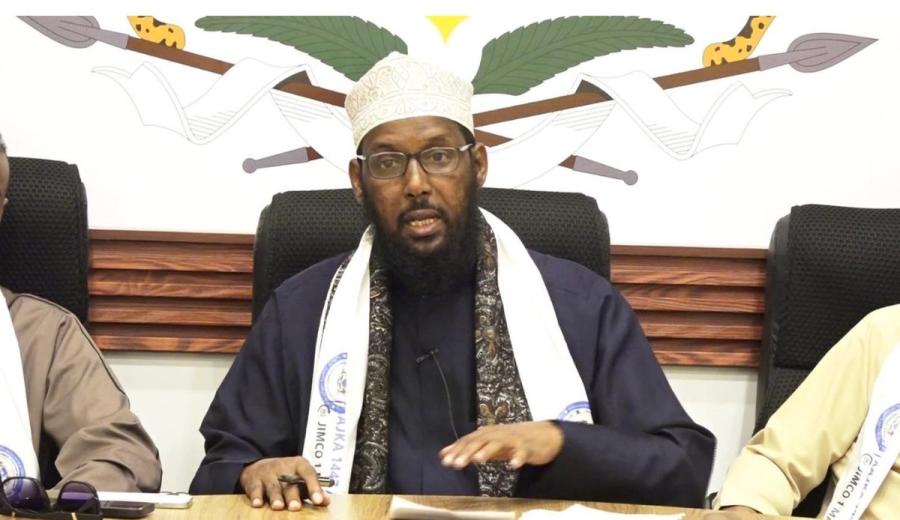
Tuesday , May 19, 2026 -Somalia’s Minister of Religious Affairs and Endowments, Mukhtar Robow Abu Mansur, was blocked by a group of Somali pilgrims in Mecca on Tuesday, according to witnesses, as tensions rose over complaints about Hajj service delivery. The incident highlights growing dissatisfaction among pilgrims over accommodation, transport, and coordination during the annual pilgrimage.
According to witnesses in the holy city of Mecca, the minister’s vehicle was prevented from moving after a group of Somali pilgrims confronted him during the Hajj season. The pilgrims reportedly raised concerns over what they described as poor organization of services provided to Somali nationals performing the pilgrimage.
Eyewitness accounts said the confrontation involved heated exchanges between the minister and several pilgrims gathered at the scene. The situation briefly disrupted movement before local security and accompanying personnel intervened, though full details of the response were not immediately confirmed.
Videos circulating on social media appear to show crowds surrounding the minister’s vehicle, with individuals voicing frustration over the handling of pilgrimage arrangements. The authenticity of all footage has not been independently verified, but it has contributed to widespread discussion online among Somali communities.
Allegations and Complaints
According to the pilgrims involved, the main grievances centered on accommodation shortages, transportation delays, and coordination challenges in managing Somali Hajj delegations. Some pilgrims claimed they had experienced difficulties accessing services they were promised before traveling to Saudi Arabia.
The Ministry of Religious Affairs and Endowments has not yet issued a detailed public response addressing the specific allegations raised by the pilgrims at the time of reporting.
There has been no immediate official statement from Somali authorities confirming the details of the confrontation. However, the presence of the minister in Mecca during the Hajj season indicates ongoing government involvement in overseeing pilgrimage operations for Somali citizens.
According to individuals familiar with Hajj coordination arrangements, Somali authorities typically work with licensed travel agencies and Saudi service providers to manage logistics for thousands of pilgrims each year. Any disruption in coordination can directly affect accommodation assignments, transport scheduling, and service delivery in high-demand periods.
there were no confirmed reports of injuries or arrests linked to the incident. The situation appeared to have been contained following the initial confrontation, according to witnesses, and the minister’s movements later resumed under security escort.
However, tensions among Somali pilgrims in Mecca remain high, with some continuing to express dissatisfaction over their travel experience. Community discussions on social media suggest broader concerns about transparency and accountability in Hajj management structures.
Somalia sends thousands of pilgrims to Saudi Arabia annually as part of the Hajj pilgrimage, one of the five pillars of Islam. The Ministry of Religious Affairs and Endowments is responsible for coordinating with Saudi authorities and private operators to facilitate travel, accommodation, and logistical support for Somali pilgrims.
In recent years, Somali Hajj operations have faced repeated criticism from pilgrims and families over service delays, inconsistent accommodation standards, and communication gaps between organizers and participants. These concerns often resurface during peak pilgrimage periods when service systems are under pressure.
Mukhtar Robow Abu Mansur, a prominent political figure and former insurgent leader, has held the ministerial portfolio overseeing religious affairs during a period of heightened scrutiny of public service delivery in Somalia. His role includes supervision of Hajj coordination, religious administration, and endowment management.
Previous pilgrimage seasons have also seen complaints from Somali pilgrims in Saudi Arabia regarding overcrowding, transportation delays, and logistical challenges, reflecting broader structural issues affecting Hajj operations globally.
The confrontation in Mecca underscores growing pressure on Somalia’s religious affairs authorities to improve management of Hajj services. As one of the most significant religious obligations for Muslims, any disruption in Hajj arrangements carries strong emotional and political weight.
The incident also highlights the sensitivity of diaspora and pilgrimage management, where expectations are high and service failures can quickly escalate into public confrontations. For Somali authorities, such episodes risk damaging public trust in institutions responsible for managing religious affairs abroad.
If complaints continue without clear resolution mechanisms, analysts say it could lead to increased calls for reform in how Hajj operations are organized, including stronger oversight of travel agencies and improved coordination with Saudi service providers.