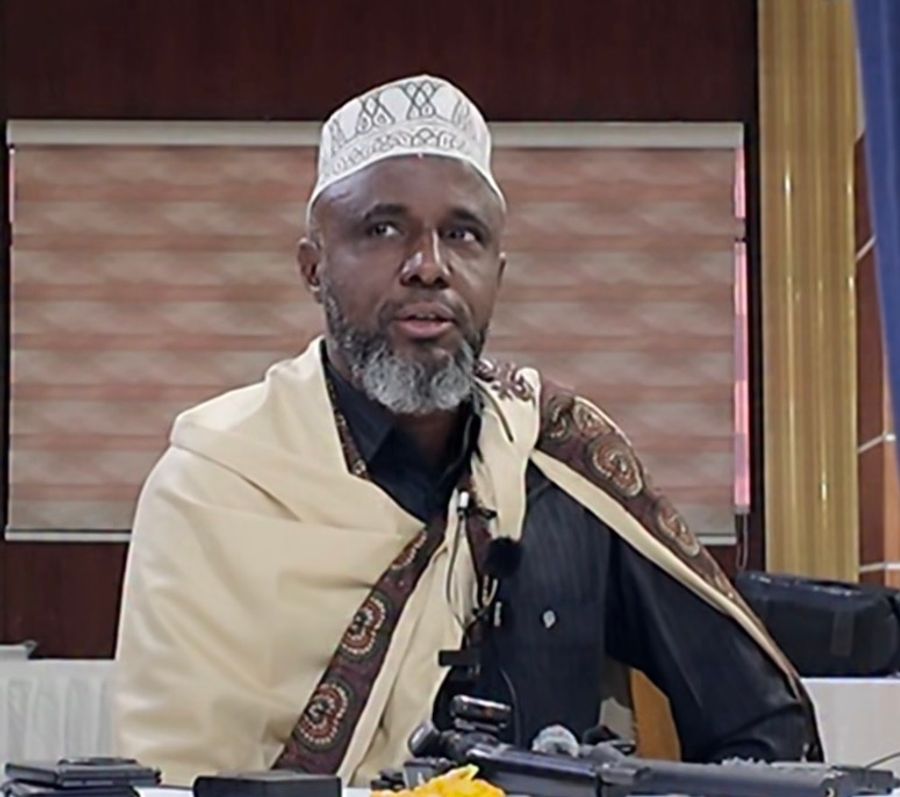
MOGADISHU, Somalia — May 26, 2026 —Traditional elders in Somalia have announced the collapse of mediation and reconciliation efforts between government representatives and community-linked political stakeholders, as the country faces rising political tensions and planned opposition demonstrations in Muqdisho.
The elders said their efforts failed after, according to their statement, the government did not accept key proposals aimed at reducing political tensions and restoring dialogue. The breakdown comes at a time when opposition groups are preparing large-scale protests in the capital.
Latest Developments
Traditional elders involved in the mediation process said their talks with a committee representing the Muqdisho community were not concluded successfully.
“Our dialogue with the committee representing the Muqdisho community could not be completed, and as a result, the talks have collapsed,” said Garaad Jaamac, a senior traditional elder involved in the process.
According to the elders, the mediation aimed to reduce tensions between political actors following weeks of disagreement over governance and electoral issues. The failure of the talks now raises concerns about further escalation between political groups.
At the same time, opposition groups have announced plans for nationwide demonstrations scheduled for Thursday, June 4, targeting the leadership of President Hassan Sheikh Mohamud.
Opposition figures argue that the president’s constitutional mandate expired on May 15, 2026, a claim that has become central to the ongoing political dispute.
The Federal Government has not issued a detailed public response to the specific mediation collapse, but officials in previous statements have maintained that constitutional processes and legal interpretations guide the current transition framework.
Security Situation in Muqdisho
According to local residents and political activists, security operations in parts of Muqdisho have increased in recent days.
Reports from residents indicate that several young people have been detained over social media posts and political comments critical of the government. These claims have not been independently verified, and authorities have not publicly confirmed the nature of the detentions.
Human rights advocates and opposition figures have raised concerns about what they describe as a growing crackdown on dissent. Government officials have previously stated that security measures are aimed at maintaining public order amid heightened political activity.
Security agencies have not issued a full statement regarding the recent claims.
Political Dispute Over Elections and Constitutional Issues
The opposition, including regional administrations such as Puntland and Jubbaland, has rejected recent constitutional amendments and the ongoing electoral process.
Opposition leaders have described the current political arrangements as “illegitimate” and have accused the Federal Government of undermining consensus-based state-building.
According to opposition statements, the lack of agreement on the electoral framework has deepened mistrust between federal authorities and member states.
The Federal Government has previously maintained that constitutional reforms are part of ongoing institutional development and national governance reform efforts.
Somalia has been engaged in a long process of rebuilding political institutions following decades of conflict and political fragmentation.
The federal system established under the provisional constitution has faced repeated disputes over power-sharing, electoral models, and constitutional interpretation.
Traditional elders have historically played a key role in mediation and reconciliation efforts, particularly during periods of political deadlock. Their involvement is often seen as a critical mechanism for reducing tensions between political actors.
Previous mediation efforts in Somalia have helped prevent escalation during election cycles, although outcomes have often depended on political willingness to implement agreements.
Opposition groups are expected to proceed with planned demonstrations, according to political statements made earlier this week.
Security forces are likely to increase presence in key areas of Muqdisho as political activities intensify.
Traditional elders and civil society actors are expected to continue informal consultations, although the collapse of the current talks raises uncertainty over immediate reconciliation efforts.
No formal roadmap for renewed dialogue has been announced at the time of reporting.
The breakdown of mediation efforts highlights the fragility of Somalia’s current political dialogue process. Without functioning negotiation channels, tensions between political actors risk escalating further.
The dispute over constitutional interpretation and electoral legitimacy remains a central issue, with both government and opposition maintaining opposing positions. This continues to limit consensus-building efforts.
If protests proceed as planned, the situation could further strain relations between political groups and security institutions in Muqdisho.
Observers say sustained dialogue involving political leaders, federal member states, and traditional elders remains critical to preventing deeper instability and maintaining public confidence in governance institutions.