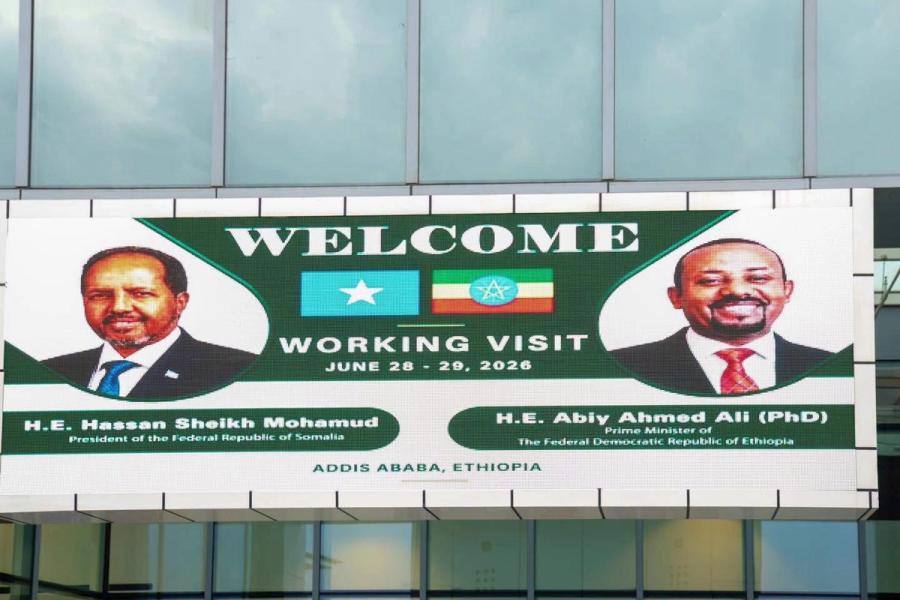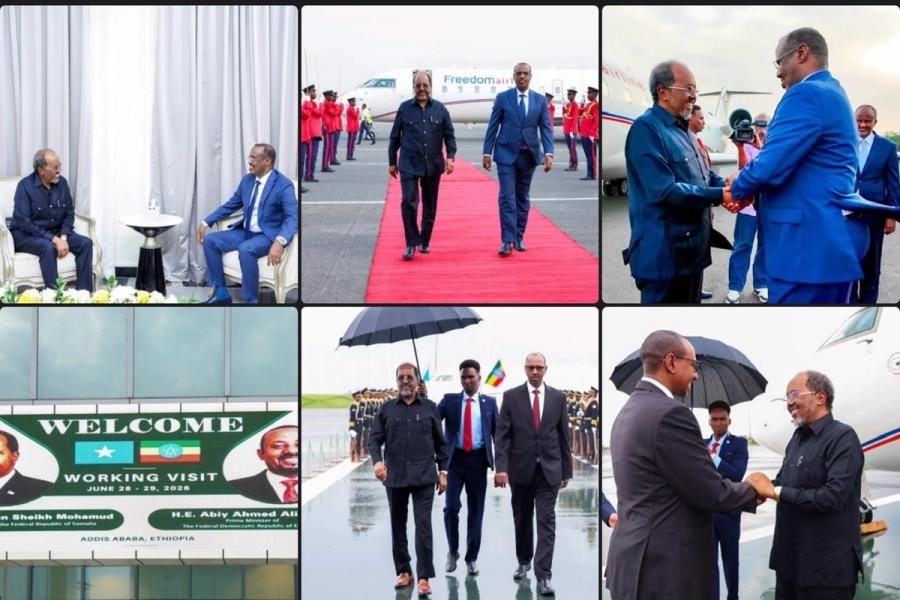
MOGADISHU, Somalia — June 29, 2026 —Somali President Hassan Sheikh Mohamud has continued a series of regional diplomatic engagements despite mounting political tensions at home, where opposition leaders, along with authorities in Puntland and Jubbaland, are challenging the federal government’s electoral plans and questioning the legitimacy of his administration.
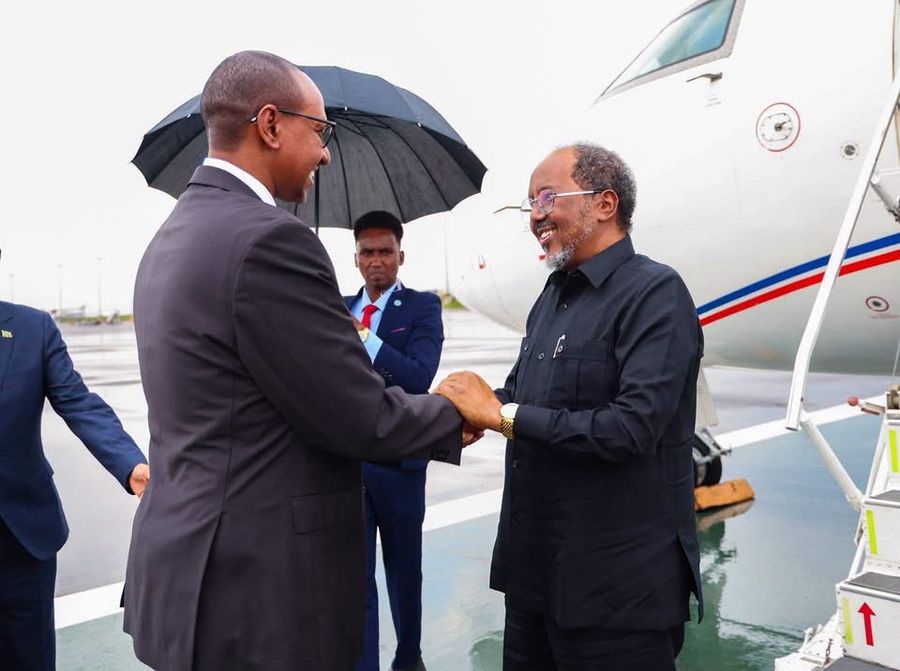
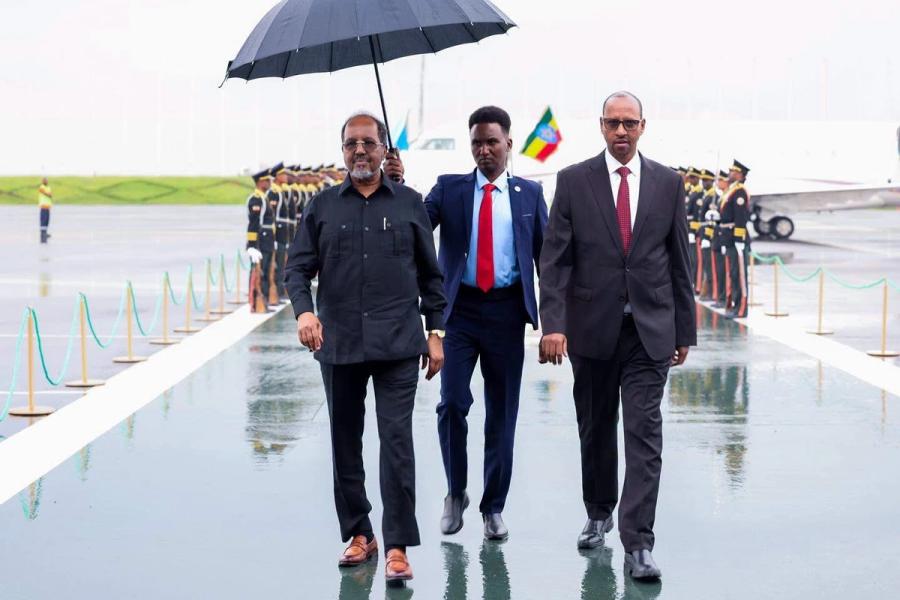
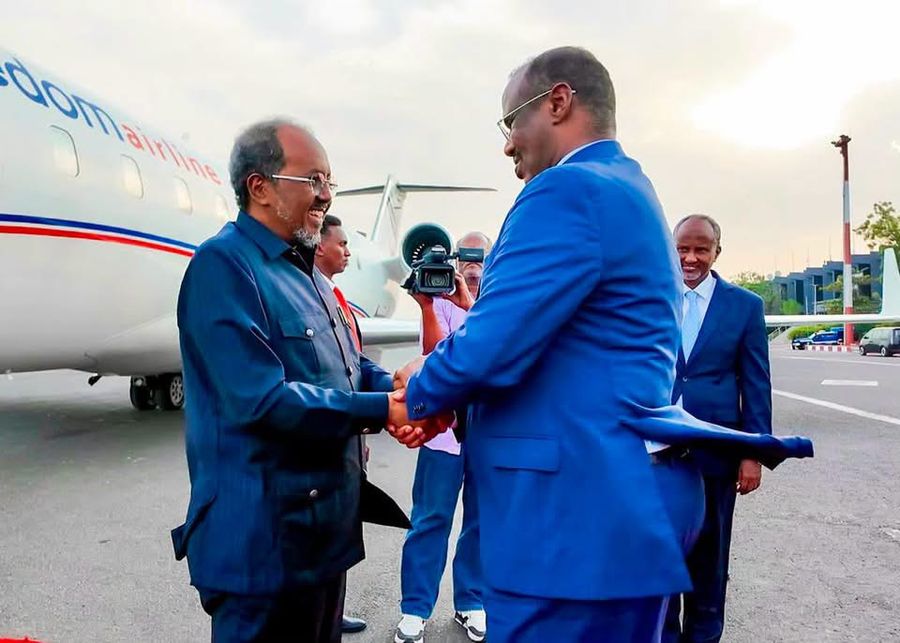
The president’s latest diplomatic tour included visits to Kenya, participation in Djibouti’s Independence Day celebrations, and meetings in Ethiopia with Prime Minister Abiy Ahmed. The visits come as Somalia faces a deepening political crisis centered on elections, constitutional reforms, and disputes over the president’s mandate following the expiration of his term on May 15, 2026.
While federal officials describe the regional tour as part of efforts to strengthen diplomatic ties and security cooperation in the Horn of Africa, opposition leaders argue that unresolved domestic political disputes require immediate attention.
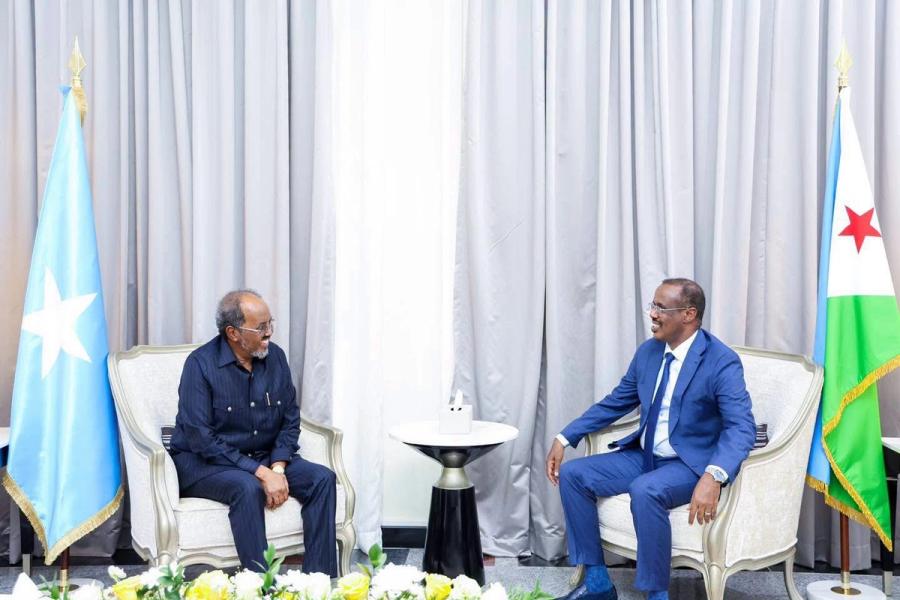
President Hassan Sheikh’s regional diplomacy began with a visit to Kenya, where he held discussions with senior officials on bilateral cooperation, security and economic relations. He later traveled to Djibouti to participate in celebrations marking the country’s Independence Day before proceeding to Ethiopia for talks with Prime Minister Abiy Ahmed.
According to officials from Villa Somalia, discussions focused on regional security, counterterrorism cooperation, economic integration and developments affecting the Horn of Africa.
The diplomatic engagements occurred against the backdrop of growing political disputes within Somalia over proposed electoral reforms and constitutional amendments promoted by the federal government.
Opposition politicians in Mogadishu have accused the government of moving ahead with major political changes without broad national consensus. Puntland and Jubbaland administrations have also voiced objections to aspects of the reform process, arguing that key decisions affecting the federal system should involve wider consultation among stakeholders.
Some opposition leaders have gone further, arguing that President Hassan Sheikh’s mandate expired on May 15, 2026, and have referred to him as a former president. Federal authorities reject that characterization and maintain that constitutional processes remain in place.
Armed Clashes Rocked Mogadishu
Political tensions escalated dramatically on June 3 and June 4, when fighting broke out in several districts of Mogadishu between government security forces and armed groups aligned with opposition leaders.
The clashes revived memories of the 2021 election crisis, when disputes over electoral processes and a controversial term extension led to armed confrontations in Mogadishu before a negotiated settlement was reached.
Government Response
Federal officials have defended both the president’s regional travel and the government’s political reform agenda.
According to government representatives, Somalia cannot afford to suspend diplomatic and security engagements with neighboring countries while confronting security threats from Al-Shabaab and pursuing economic development initiatives.
Officials argue that electoral and constitutional reforms are intended to expand democratic participation and strengthen state institutions.
The government has also called on opposition leaders to engage through constitutional and political mechanisms rather than mobilizing armed supporters.
Background to the Political Conflict
The current dispute reflects longstanding disagreements over Somalia’s political system, electoral framework and distribution of powers between the federal government and federal member states.
Relations between Mogadishu and Puntland have deteriorated over constitutional amendments approved by federal institutions. Puntland authorities have repeatedly argued that significant constitutional changes should be based on broader national consensus.
Jubbaland has also expressed reservations about aspects of the federal government’s political agenda, particularly regarding election arrangements and the balance of power within Somalia’s federal structure.
Opposition leaders in Mogadishu have similarly demanded comprehensive consultations involving all major political stakeholders before implementing constitutional and electoral reforms.
Political disagreements over elections have repeatedly generated instability in Somalia’s recent history.
In April 2021, armed clashes erupted in Mogadishu after disputes surrounding delayed elections and efforts to extend the presidential mandate. The violence displaced civilians, disrupted daily life and raised fears of wider conflict before political negotiations eventually produced an agreement that paved the way for elections in 2022.
Many analysts warn that Somalia risks repeating past political crises unless competing political actors reach a consensus on the country’s electoral future.
Current Situation
Dialogue between the federal government, opposition groups and some federal member states remains limited.
Opposition leaders continue to demand a negotiated political settlement addressing elections, constitutional reforms and governance issues. Puntland and Jubbaland maintain objections to aspects of the federal government’s political roadmap.
The ongoing dispute represents one of the most significant political challenges facing Somalia since the elections that brought Hassan Sheikh Mohamud back to power in 2022.
The June 2026 clashes demonstrated how quickly political disagreements can evolve into security crises, particularly in a country where political actors maintain links to armed security forces and clan-based networks.
Somalia’s current political trajectory highlights the urgent need for inclusive dialogue and consensus-building among federal institutions, opposition groups, and regional administrations. Without a negotiated framework on elections and constitutional reforms, the risk of recurring political confrontations and localized violence remains high.
Sustainable stability will depend on political compromise, strengthened institutional trust, and adherence to constitutional processes. The coming period is expected to be decisive in determining whether Somalia consolidates its democratic transition or enters another cycle of political uncertainty.