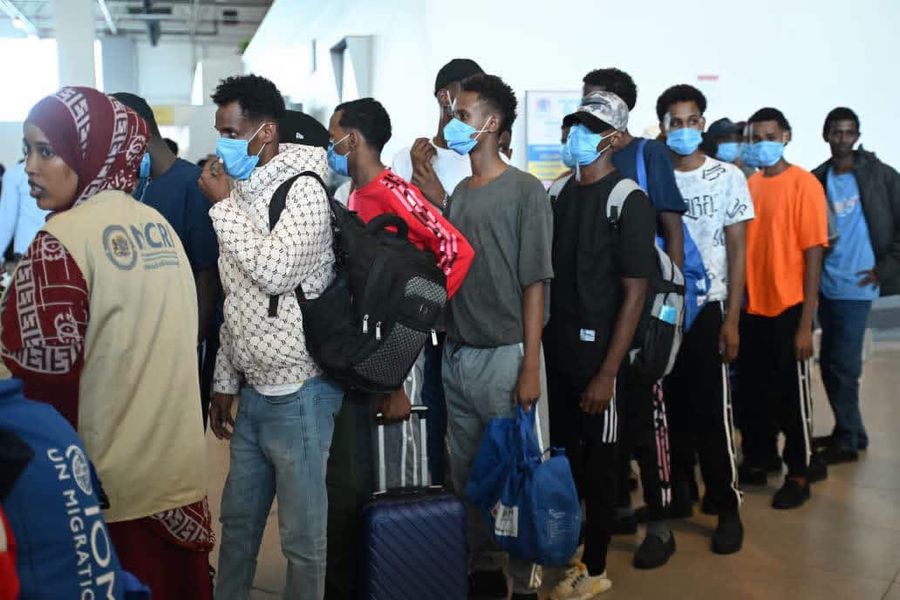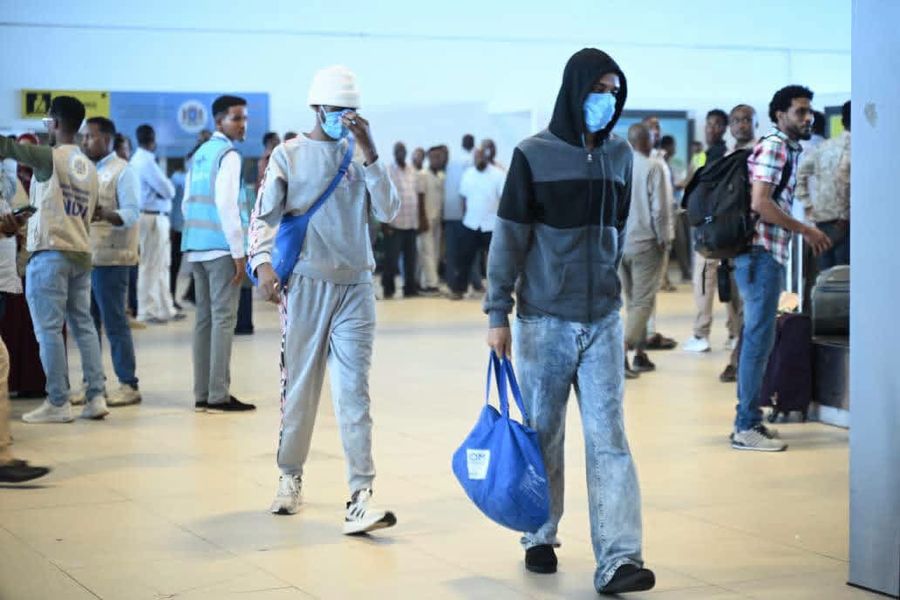
MOGADISHU, Somalia — July 2, 2026 — Somalia has repatriated 129 citizens who had been stranded in Libya, authorities said, in the latest effort to assist Somali migrants facing difficult conditions abroad. The return operation saw 110 people welcomed in Mogadishu while 19 others were transported to Hargeisa, as officials renewed warnings about the risks associated with irregular migration routes through North Africa.
Somali authorities confirmed that 129 nationals were returned from Libya and reunited with their families following a coordinated repatriation effort.
According to government officials, 110 returnees arrived in the capital, Mogadishu, where they were received by relevant authorities and humanitarian partners. Another group of 19 individuals was transported to Hargeisa.
Officials said the returnees had experienced significant hardships while in Libya, a major transit country for migrants attempting to reach Europe through the Mediterranean Sea.
The repatriation operation forms part of ongoing efforts by Somali authorities and international partners to assist citizens who become stranded abroad due to irregular migration, conflict, economic hardship, or human trafficking networks.
Authorities did not immediately provide detailed information about the returnees’ conditions, but officials said support services would be made available to help them reintegrate into their communities.
Government Response
Somali officials used the occasion to reiterate warnings against irregular migration, urging young people not to undertake dangerous journeys through smuggling routes.
According to authorities, many migrants who travel through North Africa face serious risks, including exploitation, detention, violence, human trafficking, and life-threatening conditions in desert and maritime crossings.
Officials said awareness campaigns would continue to educate communities about the dangers associated with irregular migration and the activities of trafficking networks that target vulnerable individuals seeking better economic opportunities abroad.
The government also emphasized the importance of pursuing legal and safe migration pathways where available, while encouraging prospective migrants to seek accurate information before making travel decisions.
Humanitarian Concerns
Libya has long been one of the principal transit points for migrants from the Horn of Africa seeking to reach Europe.
Humanitarian organizations have repeatedly documented the challenges faced by migrants in Libya, including overcrowded detention facilities, abuse by traffickers, forced labor, and limited access to basic services.
Many Somali migrants travel through several countries before reaching Libya, often relying on smuggling networks that promise passage to Europe. These journeys frequently expose migrants to significant financial, physical, and psychological risks.
According to migration agencies and humanitarian groups, thousands of migrants from across Africa remain stranded in Libya each year due to conflict, insecurity, and restrictions on movement.
Irregular migration has remained a major challenge for Somalia for more than a decade, driven by a combination of economic pressures, unemployment, climate-related hardships, and insecurity in some regions.
Many young Somalis undertake dangerous overland journeys through East and North Africa in hopes of reaching Europe or finding employment opportunities abroad. However, migration experts have repeatedly warned that many migrants become trapped in transit countries after exhausting their resources or falling victim to trafficking networks.
The Somali government has previously worked with international organizations to facilitate voluntary returns for citizens stranded in Libya and other countries. Similar repatriation operations have taken place in recent years as part of broader regional efforts to protect vulnerable migrants and combat human trafficking.
International agencies have also supported reintegration programs aimed at helping returnees rebuild their lives through vocational training, counseling, and livelihood assistance.
Authorities said the returnees will receive assistance as they reconnect with relatives and begin the reintegration process.
Government institutions and humanitarian partners are expected to assess the immediate needs of the returnees and provide support where necessary. Officials also indicated that efforts to assist other Somali nationals stranded abroad will continue.
At the same time, authorities pledged to intensify public awareness campaigns designed to discourage irregular migration and inform communities about safer alternatives.
The return of 129 Somali citizens highlights the continuing challenges posed by irregular migration across the Horn of Africa and North Africa. Despite repeated warnings, many people continue to undertake dangerous journeys in search of economic opportunities and improved living conditions.
The operation also underscores the humanitarian consequences of migration routes that pass through Libya, where migrants often face exploitation, detention, and insecurity. Repatriation efforts provide immediate relief for those affected but do not address the underlying factors that drive migration.
For Somali authorities, the latest return reinforces the need for stronger employment opportunities, public awareness initiatives, and protection measures aimed at reducing reliance on dangerous migration networks.