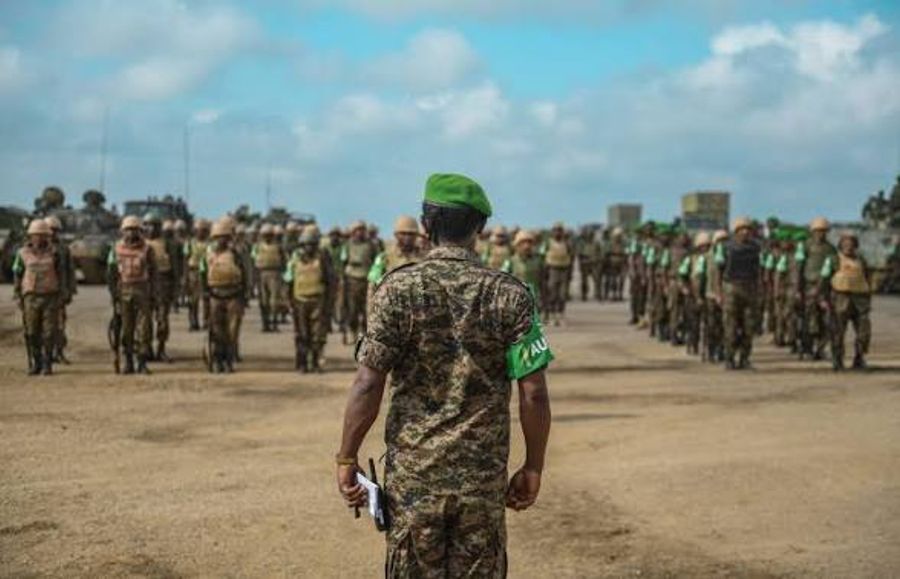
MOGADISHU, Somalia — July 15, 2026 —The Somali federal government is pursuing a new security arrangement with regional countries that have troops deployed in Somalia, aiming to secure bilateral military agreements before the end of the year as the United States prepares to end its financial support for Somalia’s security sector, according to sources familiar with the discussions.
The proposed framework seeks to prevent potential security gaps following the expected changes to international funding and the ongoing transition of Somalia’s security responsibilities.
According to sources familiar with the discussions, the federal government wants troop-contributing countries in the region to adopt a new operational framework that would allow some foreign forces to remain in Somalia under direct bilateral agreements with Mogadishu.
The proposal reportedly calls for participating countries to commit to transitioning their deployments by December 2026 from a multinational mission structure to agreements negotiated directly between Somalia and each contributing nation.
Officials involved in the discussions say the government believes such arrangements could help avoid disruptions to security operations if existing international funding mechanisms are reduced or discontinued.
The initiative comes after the United States decided to end financial support for Somalia’s security operations, a move that has prompted Somali officials to explore alternative funding and operational models, according to the sources.
Government Seeks Alternative Funding
According to the same sources, the Somali government is also seeking financial backing from one or more Arab countries to help sustain the proposed security framework.
Officials familiar with the negotiations said discussions have taken place with potential partners, although no financing agreement has been publicly announced.
The sources added that confidence in securing the required funding remains uncertain, despite recent meetings that they described as constructive.
Neither the Somali government nor the countries reportedly involved have publicly confirmed the details of the funding discussions.
Talks With Regional Partners
According to sources, the proposed security plan has already been shared with representatives of two countries that currently contribute troops in Somalia.
At the same time, Villa Somalia is reportedly seeking a meeting with Uganda’s president as part of efforts to secure additional military support.
According to the sources, Somali officials hope Uganda could allocate approximately 2,000 soldiers to help protect the Halane security zone and other key government installations in Mogadishu under the proposed bilateral framework.
Ugandan authorities have not publicly commented on the reported proposal.
Somalia has relied for years on African Union-supported peace support missions and international donor funding to assist in the fight against the armed group Al-Shabaab while rebuilding its national security institutions.
Regional troop-contributing countries have played a central role in supporting Somali security forces, protecting strategic infrastructure, and conducting joint military operations against militant groups.
International partners have gradually encouraged Somalia to assume greater responsibility for its own security, while donor support has increasingly shifted toward transition planning and institutional development.
The reported proposal comes during a period of broader discussions over the future of international security assistance and the long-term structure of foreign military deployments in Somalia.
If implemented, bilateral security agreements could significantly reshape the way foreign forces operate in Somalia by moving away from multinational funding arrangements toward direct state-to-state cooperation.
The success of the proposal may depend on whether Somalia secures sustainable financial support from international partners and whether troop-contributing countries agree to the new framework.
Security analysts have long warned that any reduction in international military funding without a coordinated transition plan could create operational challenges for ongoing counterterrorism efforts and the protection of critical government infrastructure.