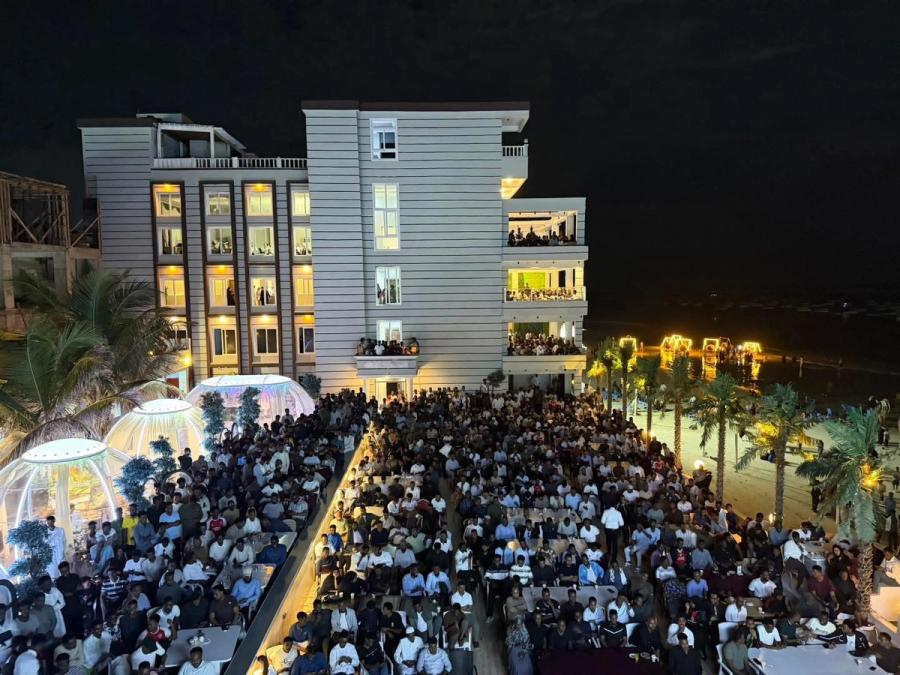
MOGADISHU, Somalia — June 26, 2026 —Large groups of Somali youth are gathering in hotels, restaurants, and public entertainment venues across major cities to watch ongoing World Cup football matches, according to local residents and business operators. The trend has turned match days into busy social events, reflecting strong national interest in international football and shared public viewing culture.
In Mogadishu and other urban centers, hotels and restaurants have reported increased evening attendance as World Cup football matches continue. According to business operators, many young people prefer watching matches in groups rather than at home, creating crowded public viewing environments during key fixtures.
Local residents say the atmosphere in these venues becomes highly energetic during matches, with fans reacting collectively to goals, penalties, and match outcomes. Some restaurant managers report that seating areas are often fully occupied hours before kickoff.
According to venue staff in Mogadishu, large screens and improved internet streaming services have supported the rise in public viewing culture. Similar patterns are being observed in other cities, where football broadcasts are increasingly accessible through satellite television and online platforms.
Growing Social Activity Around Football
According to youth attendees, watching World Cup matches in public spaces provides a shared social experience. Many describe it as an opportunity to meet friends, discuss games, and enjoy entertainment in a communal environment.
Restaurant owners note that match days bring increased sales in food and beverages, especially during evening fixtures. Hotels also report higher customer turnout in lounges and outdoor seating areas equipped with screens for live sports broadcasting.
Security personnel in some districts say they have observed large but generally peaceful gatherings during major matches. No major incidents have been widely reported in connection with these viewing events, according to local security sources.
Government and Community Response
Local authorities have not issued formal restrictions on public football viewing events, according to municipal officials in Mogadishu. Instead, community leaders have encouraged peaceful gatherings and responsible crowd behavior during high attendance matches.
According to community representatives, football viewing has become a positive social outlet for young people, especially in urban areas where entertainment options continue to expand. Some leaders highlight the importance of maintaining order while allowing public enjoyment of international sporting events.
Across Somalia, World Cup match schedules continue to shape daily routines in cities and towns. Evening hours in particular see increased movement toward hotels and restaurants equipped with broadcast screens.
According to residents, traffic near popular venues increases during major matches, while businesses prepare in advance for high customer turnout. Some venues are introducing reservation systems to manage crowd sizes during key fixtures.
Somalia has experienced growing interest in international football over recent years, supported by wider access to satellite television, mobile internet, and digital streaming services. The World Cup remains one of the most widely followed global sporting events among Somali youth.
In previous tournaments, similar patterns of public viewing were reported in urban centers, where restaurants and hotels became informal fan zones. This reflects a broader regional trend in which public spaces serve as primary locations for shared sports consumption.
Football remains one of the most popular sports in Somalia, despite limited domestic league infrastructure compared to international competitions. Youth engagement with global football continues to rise, driven by social media content, international broadcasts, and diaspora influence.
The growing use of public spaces for World Cup viewing highlights the expanding role of sports in Somalia’s urban social life. It shows how international events can shape local economic activity, particularly for hospitality businesses.
The trend also reflects changing patterns of youth engagement, where communal viewing is replacing isolated home consumption of sports content. This shift is contributing to increased demand for venues with digital broadcasting capabilities.
For businesses, match days present a consistent opportunity for revenue growth, while for communities, these gatherings offer structured social interaction. At the same time, managing crowd safety and infrastructure demand remains an ongoing consideration for local authorities.