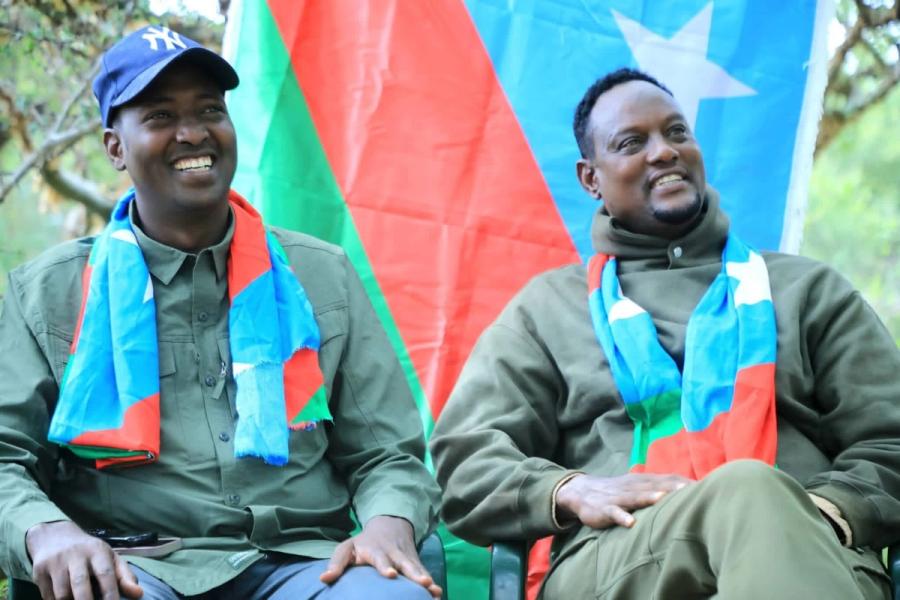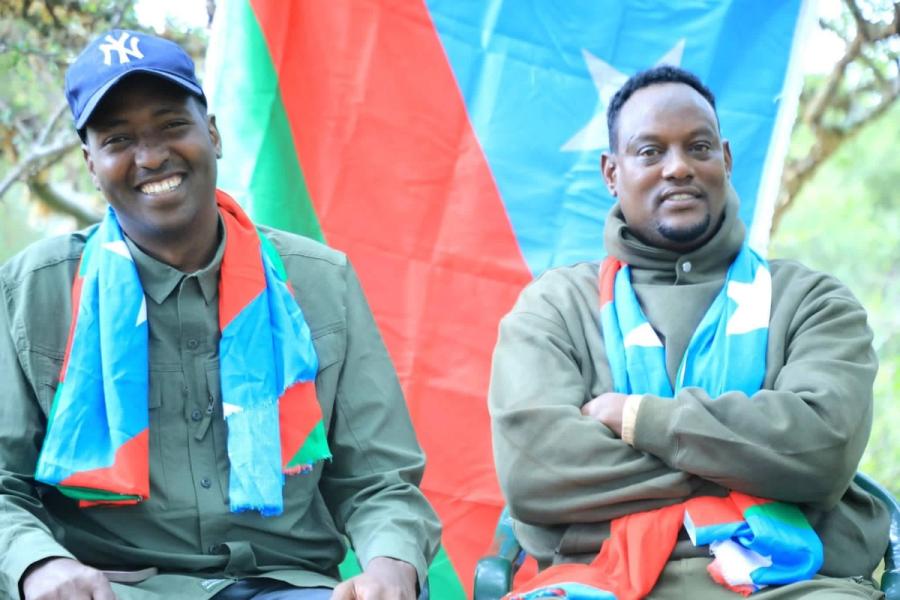
BAIDOA, Somalia — May 24, 2026 —A member of the South West State Parliament, MP Cabdiwahaab Macallin Salaad, has aligned himself with President Abdiaziz Hassan Mohamed “Laftagareen” in a political shift unfolding in areas surrounding Baidoa, the administrative capital of Somalia’s Bay region, according to officials and local sources.
The development comes amid rising political tensions in South West State, where competing power centers continue to shape alliances between regional leadership and federal government-backed actors operating in Baidoa.
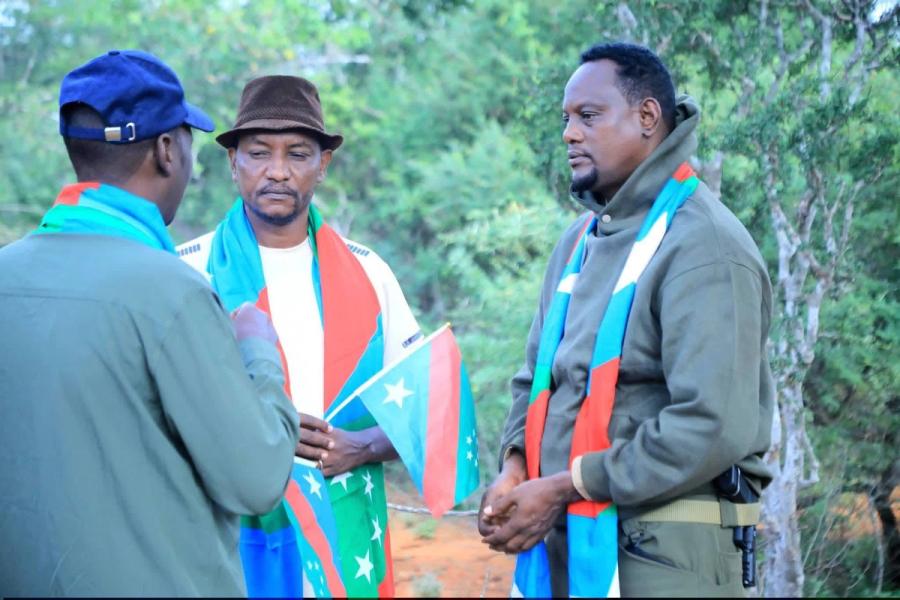
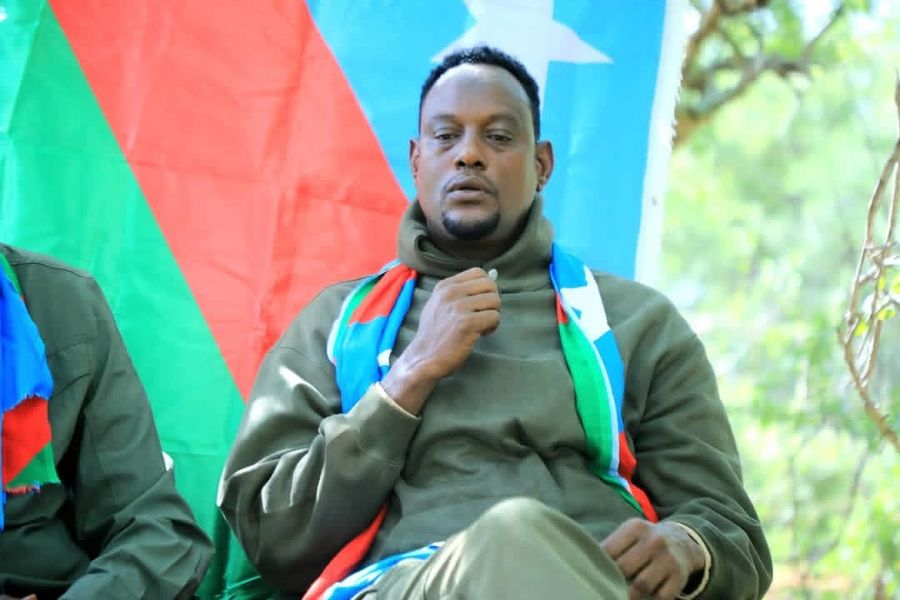
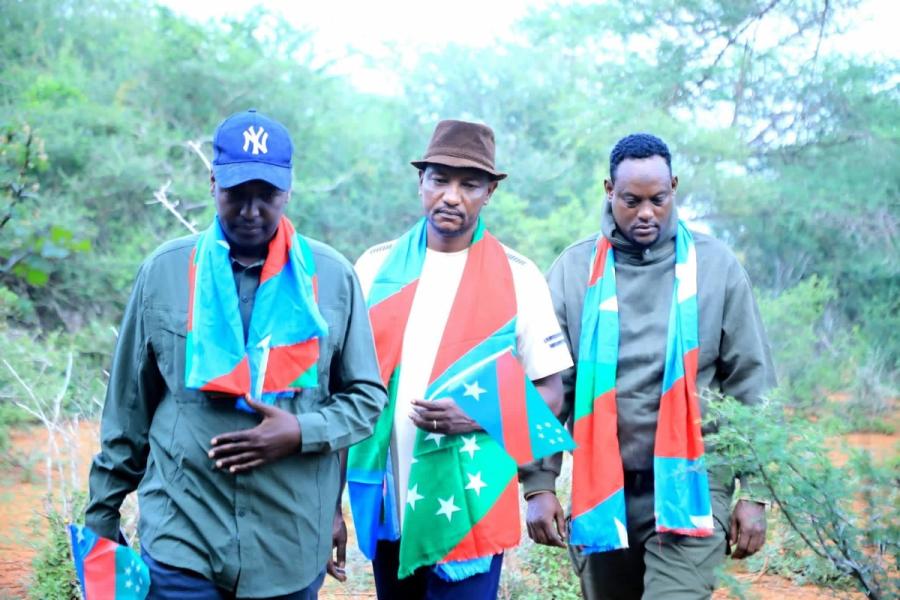
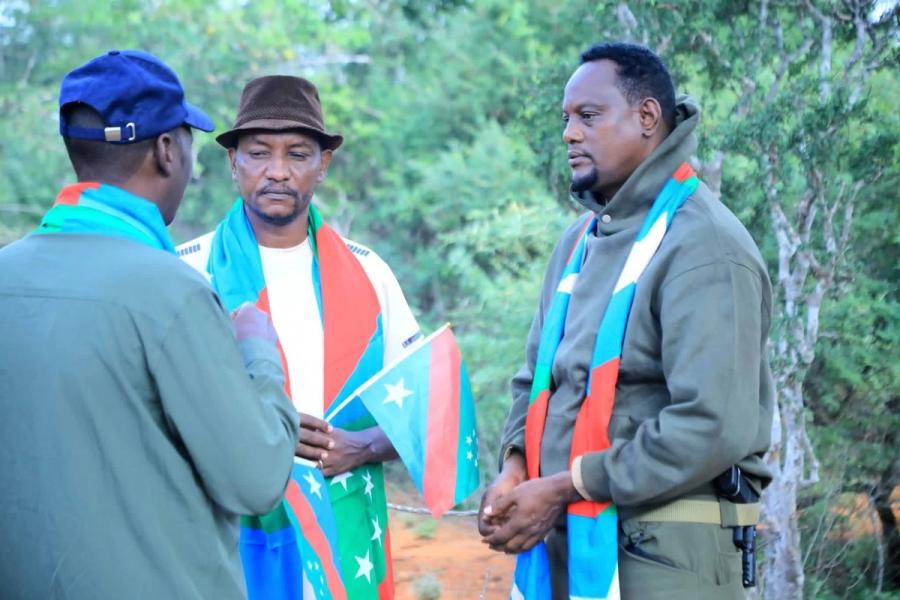
According to officials and participants at the gathering, MP Cabdiwahaab Macallin Salaad was received in Baidoa on Sunday by former South West State Security Minister Hassan Cabdiqaadir and the former government spokesperson during a public event attended by officials, supporters, and political figures aligned with President Laftagareen.
Officials at the event described the MP’s decision as a significant political realignment, signaling growing support for Laftagareen-aligned structures within parts of South West State’s political establishment.
Speaking at the reception, Hassan Cabdiqaadir praised the MP’s move and described it as part of what he called efforts to strengthen “unity and coordination” among supporters of the regional administration. He emphasized that cooperation between political leaders and security actors is necessary to maintain stability across South West territories.
The former South West State spokesperson also welcomed the development, stating that engagement with all political stakeholders remains important for peacebuilding and governance in the region.
Political and Security Context in Baidoa
The latest shift comes at a time of heightened political uncertainty in Baidoa. According to local sources and political observers, tensions have been increasing between forces aligned with President Laftagareen and elements linked to federal government-backed administration structures operating in the city.
Some Laftagareen-aligned figures have referred to their political and security efforts as a campaign to consolidate control across South West territories, while officials aligned with the federal-backed administration in Baidoa have maintained their position within the city’s governance structures.
According to local residents, there has been increased movement of armed personnel and political actors between Baidoa and surrounding areas in recent days, raising concerns about shifting alliances and possible changes in the local power balance.
Troop Movements and Political Shifts
According to security sources cited by local media, some soldiers stationed in Baidoa have reportedly left their positions to join forces aligned with President Laftagareen in areas outside the city. These claims have not been independently verified.
Political observers say such movements, if confirmed, could indicate a gradual realignment of security forces in the region, potentially affecting administrative control and stability in key locations within Bay region.
Officials aligned with the South West administration have recently intensified calls for unity among political actors, arguing that cohesion is necessary to prevent further fragmentation and maintain governance structures.
South West State has experienced recurring political tensions in recent years, often centered around governance arrangements in Baidoa and broader federal-regional relations.
Disputes between regional leadership and federal government-backed administrative arrangements have previously contributed to political standoffs, security concerns, and competing claims over institutional authority.
Baidoa remains a strategic political and security hub in South West State, hosting both regional administrative institutions and federal-level support structures, making it a focal point for negotiations and tensions.
Political observers expect continued realignments among lawmakers, security personnel, and local officials in the coming weeks as competing blocs attempt to consolidate influence in South West State.
Officials have not announced any formal institutional changes following the MP’s move, but sources indicate that further political consultations are ongoing among key stakeholders.
Security developments in Baidoa and surrounding areas are also expected to remain closely monitored due to the potential impact on governance and stability.
The alignment of a sitting Member of Parliament with a regional political bloc reflects ongoing fragmentation within South West State’s political landscape. Such shifts may influence decision-making processes and institutional cohesion in the region.
If troop movements and political realignments continue, they could reshape the balance of power in Baidoa and affect the relationship between regional authorities and federal institutions.
The situation also highlights the continued sensitivity of governance structures in Somalia’s federal system, where political alliances often intersect with security dynamics.