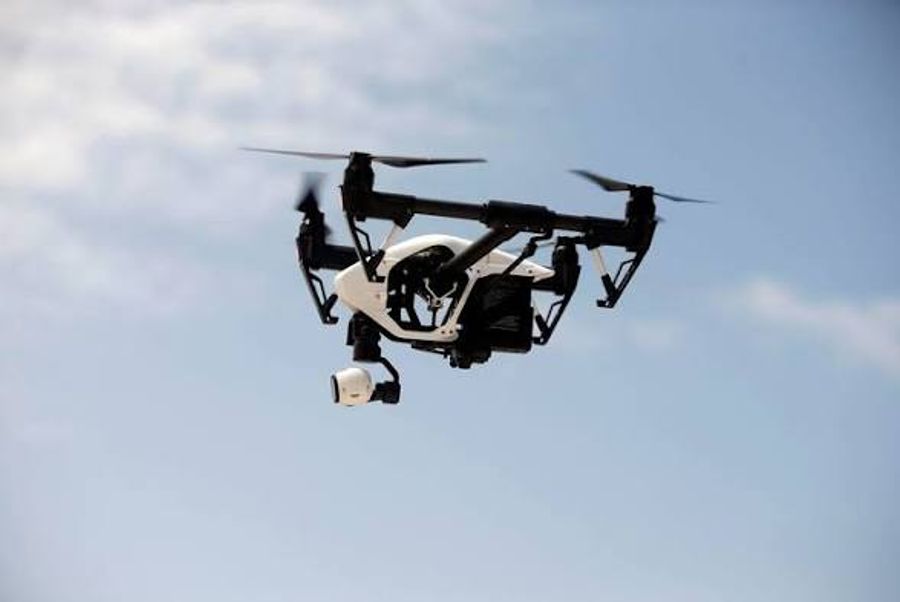
MOGADISHU, Somalia — July 7, 2026 — Turkish intelligence officials operating in Somalia have reportedly expressed growing concerns over intelligence indicating that Al-Shabaab may have obtained advanced weapons systems, including sophisticated drones capable of evading some countermeasures, according to security sources familiar with recent assessments. The reported threat has prompted heightened security measures around key government facilities and diplomatic compounds in Mogadishu.
Security sources told local media that Turkish intelligence personnel stationed in Somalia have, in recent weeks, raised concerns about what they describe as an increased capability within Al-Shabaab’s arsenal.
According to the sources, the concerns center on reports that the militant group may have gained access to new weapons systems and drone technology with enhanced operational capabilities. The reports have not been independently verified, and Somali authorities have not publicly confirmed the specific claims.
The reported intelligence assessments have led to increased vigilance around Mogadishu’s highly secured Halane compound, which hosts several Western embassies, international organizations, and diplomatic missions.
According to security officials, additional precautionary measures have also been implemented around government institutions, including Villa Somalia, the presidential palace, following intelligence warnings regarding potential security threats.
Security Measures Around Villa Somalia
Security sources said Turkish officials have recommended reviewing and strengthening security arrangements for senior federal government leaders, particularly Somali President Hassan Sheikh Mohamud.
The recommendations reportedly followed the sharing of multiple intelligence assessments concerning possible threats targeting senior government officials and strategic facilities in the capital.
According to the sources, security agencies have renewed inspections and surveillance activities in areas surrounding Villa Somalia as part of broader efforts to identify and prevent potential security risks.
Neither the Somali government nor Turkish authorities have publicly commented on the reported recommendations.
Concerns Over Alleged Drone Capabilities
According to security sources, one of the primary concerns involves reports that Al-Shabaab may have acquired new drone systems not previously seen in Somalia’s conflict environment.
The sources allege that some of the reported drone platforms could possess enhanced capabilities designed to reduce detection by existing counter-drone systems. Independent verification of those claims remains unavailable.
Security analysts note that the increasing use of drones by armed groups across several conflict zones has become a growing concern for governments and international security agencies in recent years.
If confirmed, the reported acquisition of more advanced drone technology could represent a significant evolution in the threat environment facing Somali security forces and international partners operating in the country.
Planned Military Response
According to security sources, the reported intelligence concerns have contributed to discussions regarding expanded military operations aimed at disrupting militant preparations before potential attacks can be carried out.
The sources indicated that security planners have proposed intensified operations in parts of the Middle Shabelle region, an area that has remained a key battleground between Somali government forces, allied local militias, and Al-Shabaab fighters.
The proposed operations are reportedly intended to target militant strongholds and prevent the group from organizing what officials fear could be a new wave of attacks.
President Hassan Sheikh Mohamud has recently spoken publicly about ongoing military efforts against Al-Shabaab and the government’s determination to continue counterterrorism operations across central and southern Somalia.
Al-Shabaab remains the most significant security threat facing Somalia despite years of military campaigns conducted by Somali security forces, regional partners, and international allies.
The group continues to carry out bombings, assassinations, mortar attacks, and complex assaults against military installations, government facilities, and civilian targets throughout the country.
Turkey has emerged as one of Somalia’s closest security partners over the past decade, providing military training, defense cooperation, infrastructure support, and development assistance.
Turkish military personnel and advisers have played a key role in training Somali security forces, while Ankara has expanded its strategic presence in Somalia through security and economic partnerships.
The latest reported concerns come amid continued military operations in Middle Shabelle, Lower Shabelle, Hiiraan, and other regions where Somali forces have been attempting to weaken Al-Shabaab’s operational capabilities.
Government Response
As of Tuesday, Somali government officials had not issued a formal statement regarding the reported intelligence assessments.
Turkish authorities also had not publicly commented on the security reports.
Security officials, however, continue to emphasize the need for vigilance as counterterrorism operations proceed across several regions of the country.
Security sources say authorities are expected to maintain heightened alert levels around government institutions, diplomatic facilities, and strategic infrastructure in the coming weeks.
Military planners are also expected to continue evaluating intelligence reports and operational requirements as Somalia’s security forces pursue ongoing campaigns against Al-Shabaab.
Officials say any future military operations will be aimed at disrupting militant activities before planned attacks can be launched against government, civilian, or international targets.
The reported intelligence concerns highlight the evolving nature of Somalia’s security challenges as militant groups adapt to ongoing military pressure. Allegations that Al-Shabaab may be seeking more advanced technologies could influence future security planning and resource allocation.
For Somali authorities, the protection of senior government officials, diplomatic missions, and critical infrastructure remains a priority. Increased security measures around Villa Somalia and Halane suggest that officials are treating the reported threat assessments seriously.
The developments may also reinforce the importance of international security cooperation, particularly between Somalia and partners such as Turkey, which remains deeply involved in supporting Somali security institutions.