MOGADISHU, Somalia — November 4, 2026: Somalia’s federal government has asked the African Union Support and Stabilization Mission in Somalia (AUSSOM) to maintain its deployment at Buula-Nageey, near Lambar 50 in Lower Shabelle, according to security sources, highlighting concerns over the capital’s defences as Uganda begins withdrawing troops.
The sources said federal officials requested that the base be excluded from reductions affecting Ugandan deployments, with no soldiers withdrawn or changes made to its existing force posture. The reported request has not been independently confirmed through an official government or AUSSOM statement.
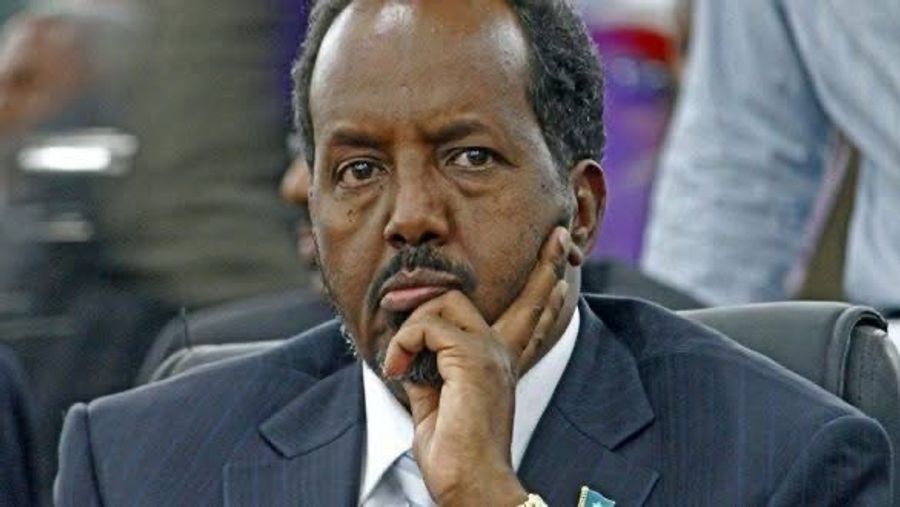
It comes as military commanders seek additional personnel and weapons for positions across Lower Shabelle, while President Hassan Sheikh Mohamud faces mounting disagreements over elections and the authority of federal institutions.
Concern over Mogadishu’s defensive positions
Security sources describe Buula-Nageey as part of an important defensive belt protecting the approaches to Mogadishu. They associate the position with a security concept known locally as “Qaansada Xamar,” referring to an arc of positions intended to help shield the capital.
According to those sources, the location falls within a second phase of defensive arrangements involving Somali and African Union forces. Details of that framework, including its reported association with Turkish security planning, remain independently unverified.
The reported appeal suggests concern about maintaining sufficient forces at selected positions during the withdrawal. It does not, by itself, establish that the government has abandoned its wider Lower Shabelle security plans.
Commanders face a difficult allocation problem: protecting approaches to Mogadishu while maintaining positions farther south requires personnel, equipment and reliable support across several locations.
Uganda’s withdrawal changes the deployment picture
Uganda announced on November 2 that it had begun withdrawing troops serving under a bilateral arrangement with Somalia. Military spokesperson Colonel Chris Magezi said the first contingent had already returned home.
Uganda intends to withdraw all its forces, including personnel serving under AUSSOM, by the end of 2027. The immediate bilateral withdrawal and the longer African Union drawdown therefore follow different timelines. Uganda contributes approximately 4,500 troops to AUSSOM
Separate reporting indicates that AUSSOM is reorganising forces to cover positions being vacated near Mogadishu.
That reported redeployment underscores the competing demands facing the mission. Reinforcing one group of positions can require changes elsewhere, making the arrangements for replacement forces particularly consequential.
Reinforcement requests across Lower Shabelle
Security sources cited in the information provided to Baidoa Online said commanders have requested stronger federal military capacity along the stretch between Baledogle and Barawe.
They also reported requests for additional troops and weapons at Sabiib and Caanoole. The size of the requested reinforcements, their deployment timetable and whether the requests have been approved remain unconfirmed.
Uganda’s withdrawal could leave parts of Lower Shabelle vulnerable to Al-Shabaab attacks. Somali State Minister for Foreign Affairs Ali Omar acknowledged that a sudden departure could create problems.
These developments point to pressure on available military capacity. However, the extent of any resulting security gap will depend on withdrawal schedules, replacement deployments and the support available to forces remaining in place.
Election dispute adds political pressure
The security uncertainty coincides with a dispute over Somalia’s electoral framework.
The presidency has invited opposition parties and civil society representatives to consultations in Mogadishu from November 14 to 18. Hassan Sheikh has defended direct elections while calling for dialogue and compromise.
There are electoral commission scheduled parliamentary elections for April 15, 2027, and a presidential election for May 15. Opposition groups reject the timetable, arguing that it lacks an inclusive political agreement. Puntland and Jubaland have also challenged aspects of the revised constitutional framework.
Sources close to Somali President Hassan Sheikh Mohamud told Baidoa Online that he held a meeting with Prime Minister Hamza Abdi Barre and other senior officials at the Presidential Palace on November 3 to discuss electoral matters.
The reported consultations come amid ongoing political disagreements over Somalia’s electoral process. Some government critics view the renewed dialogue efforts as a strategy to delay political decisions, while the government maintains that consultations are intended to build consensus on the transition toward direct elections.