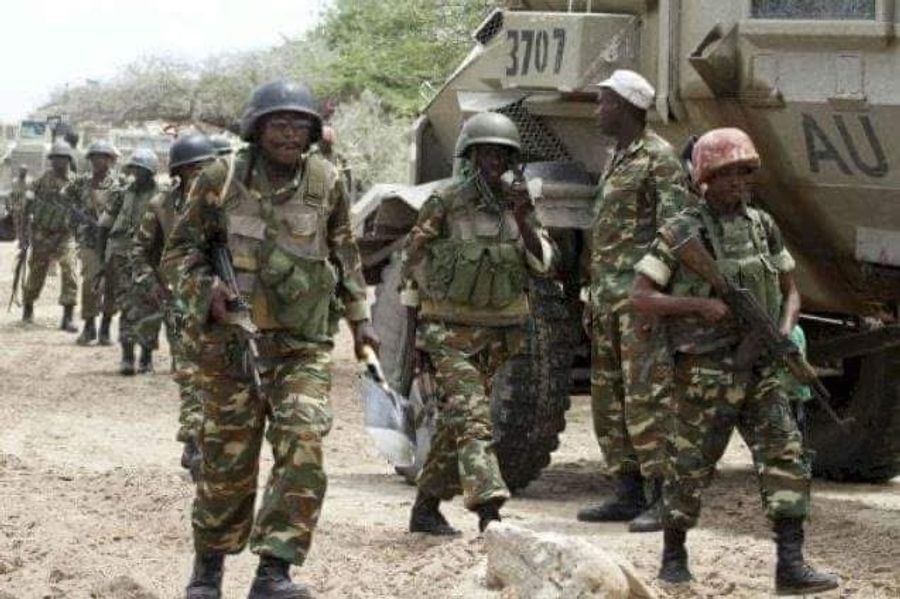
MOGADISHU, Somalia — July 28, 2026 —The Somali federal government is under increasing pressure to outline a detailed strategy for taking full responsibility for the country’s security following a recent United States decision to end its support for the UN Support Office in Somalia (UNSOS), a move that could significantly affect the African Union Support and Stabilization Mission in Somalia (AUSSOM).
The development has intensified discussions between Somali authorities, the African Union, and international partners over how security responsibilities will be transferred as foreign military support is expected to decline in the coming months.
According to officials familiar with the discussions, the African Union has requested that the Somali government urgently submit a comprehensive security transition plan explaining how it intends to manage the gradual transfer of responsibilities from AUSSOM to Somali security forces.
The request follows Washington’s decision to discontinue funding for UNSOS at the end of this year. UNSOS provides critical logistical support to AUSSOM, including fuel, food supplies, transportation, engineering services, medical assistance, communications support, and medical evacuation for personnel operating across Somalia.
Security officials say the withdrawal of this support has raised questions about the future sustainability of AUSSOM’s operations and the broader international security architecture supporting Somalia.
Several technical meetings and high-level consultations are reportedly underway between Somali officials, African Union representatives, and international partners to determine how the transition can be managed while minimizing operational risks.
Security Transition Plan Under Review
According to officials, the African Union expects Somalia’s proposed roadmap to address several key issues before any major security transition takes place.
The plan is expected to identify areas where AUSSOM forces will hand over security responsibilities to Somali forces, establish a timeline for the phased withdrawal of foreign troops, assess the operational readiness of the Somali National Army and other security institutions, and specify the level of international military, financial, and logistical assistance that will still be required after the transition begins.
Officials say these issues are central to determining whether Somalia can gradually assume greater responsibility for national security without creating operational gaps.
Concerns Over Potential Security Vacuum
Security analysts and diplomatic sources have warned that the planned reduction of foreign military support could create significant security challenges if the transition is not carefully coordinated.
Concerns have increased following earlier announcements by Uganda that it intends to withdraw its troops from Somalia after nearly two decades of deployment. Burundi has also indicated plans to end its military presence, reducing the number of African Union forces available for stabilization operations.
While no final timetable has been publicly confirmed for all troop withdrawals, officials acknowledge that discussions over the future size and composition of AUSSOM remain ongoing.
Some security observers argue that the pace of any withdrawal should be matched by measurable improvements in the operational capability of Somali security forces.
Government and International Coordination
The Somali government has repeatedly stated that strengthening national security institutions remains a top priority and that Somali forces have increasingly assumed greater responsibility in several regions during recent operations against Al-Shabaab.
International partners continue to provide training, intelligence, financial support, and equipment to Somali security institutions as part of broader efforts to build sustainable national security capacity.
Officials involved in the consultations say discussions are focused on ensuring that any transition is gradual and coordinated to avoid disrupting ongoing security operations.
Neither the Somali government nor the African Union has publicly released the full details of the proposed transition framework.
Somalia has relied on African Union peace support missions for nearly two decades, beginning with AMISOM before the mission evolved into ATMIS and later AUSSOM under revised mandates aimed at supporting Somali-led security responsibilities.
Throughout that period, international logistical support provided through UNSOS has played a central role in sustaining African Union operations by supplying transportation, fuel, medical services, engineering support, communications infrastructure, and other essential operational requirements.
The latest funding decision by the United States represents one of the most significant developments affecting that support system and has prompted renewed discussions about Somalia’s long-term security strategy.
The transition comes as Somali forces continue military operations against Al-Shabaab in several parts of the country while also working to expand state authority in areas previously contested by the militant group.
African Union officials are expected to continue consultations with Somali authorities in the coming weeks as both sides work to finalize a practical roadmap for the security transition.
The outcome of those discussions is likely to determine the pace of foreign troop withdrawals, the future structure of AUSSOM, and the level of continued international assistance available to Somali security institutions.
Officials say additional technical meetings are expected before a final framework is agreed upon.
The transition represents one of the most significant security policy challenges facing Somalia in recent years. The planned reduction in international logistical and military support places greater responsibility on Somali institutions to demonstrate that they can maintain stability while continuing operations against insurgent groups.
A carefully managed transition could strengthen Somalia’s long-term security sovereignty by placing national forces at the center of security operations. However, security experts caution that inadequate planning, funding gaps, or delays in building institutional capacity could increase operational risks in areas where foreign forces currently provide critical support.
The discussions also carry broader regional implications. African Union troop-contributing countries, international donors, and Somalia’s security partners will closely monitor the transition as they assess future commitments and support mechanisms.