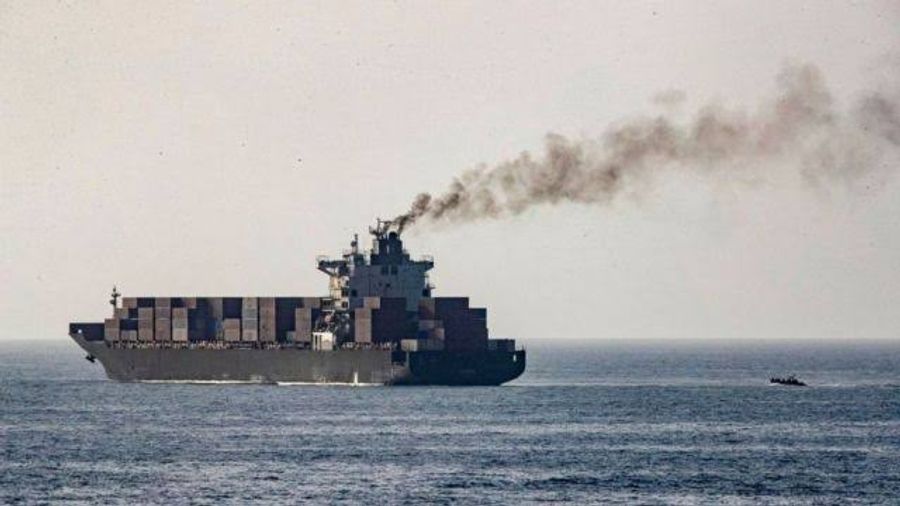
GAROWE, Somalia — August 25, 2026 — A sharp rise in piracy across the Gulf of Aden and western Indian Ocean has renewed concern over the security of Puntland’s coastline, with armed groups hijacking commercial vessels, holding multinational crews and operating far beyond Somali waters. The seizure of the M/V LUTUF, which was reportedly carrying Turkish military equipment, and a subsequent deadly coastal airstrike have brought the crisis into the wider political dispute involving Puntland, Somalia’s federal government and Türkiye. Puntland is investigating whether outside actors are financing or organizing the emerging pirate networks, while growing international competition over ports, maritime security and access to Somalia’s strategically important coastline has added another dimension to the crisis. The following 11 points explain the recent hijackings and the regional interests shaping the response.
1. Multiple Vessels Are Being Held Near Puntland
Local and maritime sources say pirates are holding several vessels and their crews near Puntland’s coastline. Reports that three ships remain in pirate hands have not been fully verified because the condition and precise location of every vessel are not publicly available.
The wider increase is confirmed. Somali pirates have hijacked six commercial vessels since April 21: the Honor 25, Sward, Eureka, Asana, LUTUF and Sibu 1, according to a maritime security official
The August 20 seizure of the Sibu 1 occurred about 136 nautical miles east of al-Mukalla, Yemen. Its distance from Somalia shows that the groups can operate well beyond Puntland’s territorial waters.
The vessels provide pirates with possible ransom income, hostages and platforms that can be used as motherships to launch attacks farther offshore.
2. Puntland Investigates Possible Foreign Support for Piracy
Puntland has condemned the renewed piracy activity along its coastline and launched an investigation into its financing and organization.
The Puntland Security Ministry says information collected by regional agencies indicates that groups outside Puntland may be supporting the piracy operations for political or economic interests.
Authorities are investigating how the pirates receive money, weapons, communications equipment and supplies. They are also examining the coastal networks that help the groups recruit members, hold captured vessels and operate far from shore.
Puntland has historically treated piracy as both a criminal and national security threat. The regional government played an important role in reducing piracy through coastal surveillance, security operations and arrests.
The regional Security Ministry said information gathered by its agencies suggested that forces outside Puntland might be supporting the piracy operations for political or economic reasons. It did not identify a country, organization or individual.
The assertion is significant because Puntland has historically treated piracy as both a criminal and security problem. Its latest statements suggest that the administration believes the renewed activity may be connected to a wider struggle over control of its coastline.
3. The LUTUF Hijacking and Deadly Coastal Strike
Pirates seized the M/V LUTUF on August 17, approximately 3.5 nautical miles from Marraya in Puntland’s Eyl district.
The Cameroon-flagged cargo vessel was transporting weapons, satellite systems and communications equipment to a Turkish military training facility in Mogadishu, according to a Somali official.
The ship had 10 crew members: six Indian nationals, one Turkish citizen, one Georgian and two Serbian security guards.
Commercial ships often operate under the flags of countries different from those of their owners or operators. Therefore, the Cameroon registration does not necessarily mean that the vessel or its cargo belonged to Cameroon.
Following the hijacking, Turkish-owned vessels approached the LUTUF while helicopters and drones monitored the area. A small boat later delivered khat to the hijackers before returning to the coast.
An airstrike subsequently hit the coastal area, killing four men and wounding two others. Puntland authorities and relatives identified the victims as civilian fishermen, while initial reports described them as suspected pirate facilitators.
Puntland demanded information about who authorized and carried out the strike. The country responsible for the operation has not been officially identified, and Türkiye has not publicly confirmed involvement.
The hijacking has increased concern about maritime security along Puntland’s coast, particularly because the ship was carrying military equipment and had a multinational crew.
Published information indicates that the cargo was being transported to a Turkish military training facility in Mogadishu. No confirmed information shows that it was intended for a missile-testing facility in Middle Shabelle.
4. Puntland Rejects the Somalia–Türkiye Maritime Agreement
Somalia and Türkiye signed a 10-year defence and economic cooperation agreement in February 2024 to strengthen maritime security and economic cooperation.
Under the agreement, Türkiye will help train and equip Somalia’s naval forces. It will also support efforts to protect Somali waters from piracy, illegal fishing and other maritime threats.
The agreement was signed by Türkiye and Somalia’s federal government. Mogadishu considers it a national agreement covering Somalia’s entire coastline and territorial waters.
Puntland rejects its implementation in areas under the regional administration without Garowe’s approval. Puntland says the federal government must consult regional authorities before approving foreign security operations, resource projects or commercial activities along its coastline.
The disagreement has created uncertainty over how Turkish naval forces and companies could operate along northeastern Somalia’s coast.
Puntland controls a long and strategically important coastline facing the Gulf of Aden and the Indian Ocean. The regional administration considers local security and natural resources part of its authority under Somalia’s federal system.
Any implementation of the agreement in Puntland could therefore require negotiations among Garowe, Mogadishu and Ankara. Cooperation will be important for addressing piracy, illegal fishing and other security challenges along the northeastern coast.
5. Bari and Sanaag Are Strategically Important to Türkiye
Bari and Sanaag have become increasingly important because of their location along the Gulf of Aden and near major international shipping routes.
Their coastline provides access to maritime corridors connecting the Indian Ocean, Red Sea and Middle East. It also lies within the wider region leading toward the Strait of Hormuz, one of the world’s most important routes for international energy supplies.
A security or maritime presence in northeastern Somalia would allow Türkiye to strengthen its role in protecting commercial shipping and monitoring regional waterways. It could also support Ankara’s expanding defence and economic partnership with Somalia.
Türkiye currently maintains its main military presence in Mogadishu, where it has operated a major training facility since 2017. The facility trains units of the Somali National Army and supports the federal government’s security institutions.
Türkiye has not officially announced plans to establish military bases in Bari or Sanaag. Any future presence in those regions would require political agreements and consultation with the authorities controlling the territory.
The strategic value of the coastline means Bari and Sanaag will continue to attract attention from countries seeking greater influence over ports, maritime security, energy routes and trade across the Horn of Africa.
6. Israel’s Somaliland Policy Has Changed Regional Competition
Israel’s recognition of Somaliland in December 2025 changed political and security calculations around the Gulf of Aden. Türkiye opposed the decision and renewed its support for Somalia’s sovereignty and territorial unity.
Somaliland has a strategically important coastline facing the Gulf of Aden and located near the Bab el-Mandeb Strait. This shipping corridor connects the Red Sea with the Indian Ocean and carries international trade and energy supplies.
A greater Israeli presence in Somaliland would attract the attention of Türkiye and other countries competing for influence over Red Sea security, ports and maritime routes.
These developments have also increased the strategic importance of Puntland’s coastline, particularly the area extending from Xaafuun to Laasqoray. The coastline provides access to the Gulf of Aden and major shipping routes linking the Horn of Africa with the Middle East.
Türkiye could therefore seek stronger maritime and security cooperation in northeastern Somalia as regional competition increases. However, Puntland insists that activities along its coastline must receive approval from the regional administration.
The growing involvement of Israel, Türkiye, the UAE and other powers shows that the Somali coastline is becoming an important part of wider competition over trade routes, ports, security cooperation and political influence.
This geopolitical competition provides important background to the current piracy crisis, although the renewed hijackings remain a separate maritime security problem.
7. Armed Rivalries Have Limited Federal Influence in Puntland
Political and security tensions between Puntland and Somalia’s federal government have increased as both sides compete for authority and influence in northeastern Somalia.
Puntland has accused the federal government of supporting armed groups opposed to the regional administration. Puntland forces have confronted and defeated several of these groups, limiting Mogadishu’s ability to expand its security presence in the region.
Türkiye is an important defence partner of Somalia’s federal government and trains units of the Somali National Army. Its security cooperation is mainly conducted through federal institutions in Mogadishu.
Puntland, however, maintains its own security forces and opposes military activities conducted inside its territory without consultation and approval from the regional administration.
These differences have made it difficult for Türkiye and the federal government to establish a stronger security presence in Puntland. Garowe considers control of its forces, territory and coastline essential to protecting its political authority.
The continuing dispute could affect future military training, troop deployments and maritime security operations in northeastern Somalia. Cooperation would require an agreement among Puntland, the federal government and international security partners.
8. Renewed Piracy Could Increase Foreign Access to Puntland’s Coast
The return of piracy could lead to greater international military activity along Puntland’s coastline. Continued hijackings would increase pressure for a stronger counter-piracy mission in the Gulf of Aden and the western Indian Ocean.
Türkiye could participate in such a mission through its maritime security agreement with Somalia’s federal government. The agreement allows Ankara to support Somalia in developing naval forces and protecting its territorial waters.
A Turkish role in counter-piracy operations could bring its naval and security forces closer to important coastal areas administered by Puntland. The regional government has previously opposed foreign maritime activities conducted without its direct consultation and approval.
Puntland says outside actors may be supporting the renewed piracy for political and economic purposes. The administration has opened an investigation but has not publicly identified the individuals or countries involved.
The hijacking of the M/V LUTUF has made the situation particularly sensitive. The vessel reportedly carried Turkish military equipment destined for Mogadishu and had a Turkish national among its crew.
A prolonged piracy crisis could therefore affect relations among Puntland, Somalia’s federal government and Türkiye. It could also create disagreements over who has the authority to approve foreign security operations along Puntland’s coastline.
The priority for Puntland and international maritime partners will be rescuing captured crews, stopping further hijackings and identifying the financial and logistical networks supporting the pirates. Any counter-piracy operation near Puntland will also require cooperation with the regional authorities and coastal communities.
9. Sanaag Is Viewed as a Possible Alternative Route for Influence
Some Puntland sources claim that Türkiye could shift its attention toward Sanaag if it cannot gain access through other areas of Puntland.
Under this alleged strategy, Turkish-trained local forces would establish a presence in Sanaag before gradually expanding toward other locations along the northern coastline.
Sanaag’s Strategic Importance Is Attracting Regional Attention
Sanaag is becoming increasingly important because of its location along the Gulf of Aden and its proximity to major international shipping routes.
Türkiye could view the region as an alternative location for expanding its security and maritime cooperation in northern Somalia. Such engagement could include training local forces, supporting coastal security and developing relationships with authorities in the area.
However, Sanaag remains politically and territorially disputed. Puntland, Somaliland and SSC-Khaatumo maintain competing claims or interests in different parts of the region.
The absence of a single authority controlling the entire region makes foreign security cooperation particularly sensitive. Any military training, troop deployment or maritime project could create disagreements among the administrations claiming authority there.
Türkiye has not publicly announced plans to establish a military base or deploy forces in Sanaag. Its confirmed military operations and training programs in Somalia remain concentrated in Mogadishu through agreements with the federal government.
Sanaag’s long coastline, natural resources and position near the Gulf of Aden will continue to attract strategic interest. Any future foreign involvement would require consultation with local communities and the authorities operating in the region.
10. Türkiye and the UAE Compete for Influence in the Horn of Africa
Türkiye and the United Arab Emirates are expanding their political, military and economic influence across Somalia and the wider Horn of Africa.
Türkiye’s closest partnership is with Somalia’s federal government in Mogadishu. Ankara trains Somali soldiers and supports major defence, infrastructure, energy and development projects. It also operates a large military training facility in the capital.
The UAE has developed a strong relationship with Puntland. Abu Dhabi has supported Puntland’s security institutions, including its maritime forces, and provided assistance during military operations against Islamic State militants in the Cal Miskaad mountains.
These partnerships have given the two countries influence in different parts of Somalia. Türkiye works mainly through the federal government, while the UAE maintains stronger security and political relations with Puntland in northeastern Somalia.
Their regional interests include ports, maritime security, energy resources, military cooperation, trade routes and political influence.
Puntland is strategically important because its long coastline borders the Gulf of Aden and lies near shipping routes connecting the Indian Ocean, Red Sea and Strait of Hormuz. These waterways carry significant volumes of international trade and energy supplies.
The UAE currently holds a stronger position in Puntland because of its direct relationship with the regional administration and its support for local security forces. Türkiye, however, continues to expand its national role through agreements with Somalia’s federal government.
The growing presence of Türkiye and the UAE shows how Somalia’s coastline has become increasingly important to regional and international powers seeking security, economic and strategic influence in the Horn of Africa.
11. Puntland Investigates Possible Foreign Support Behind Renewed Piracy
Puntland has opened an investigation into possible outside support for the recent rise in piracy along its coastline. The Puntland Security Ministry says information collected by security agencies indicates that individuals or groups outside the region may be financing and organizing the new pirate networks for political or economic purposes.
According to Puntland sources, some suspected pirates arrested or questioned by security forces said they had received money, training and instructions to participate in maritime attacks. Authorities are now working to identify the people who recruited them, provided the funding and selected the vessels targeted by the groups.
The investigation comes amid a sharp increase in piracy across the Gulf of Aden and the western Indian Ocean. At least six commercial vessels have been hijacked since April 2026, while several other attempted attacks and suspicious maritime incidents have been reported.
The pirates have demonstrated an ability to operate more than 100 nautical miles from the Somali coast. Their long-distance operations indicate that they may be using captured vessels as motherships and relying on modern navigation equipment, satellite communications, weapons and organized supply networks.
Boats have also reportedly delivered food and khat to hijackers holding vessels near Puntland. This shows that the groups operating at sea have support networks onshore capable of supplying them and maintaining contact during prolonged hijackings.
The seizure of the Cameroon-flagged M/V LUTUF brought greater attention to the piracy crisis. The vessel reportedly carried Turkish weapons, communications equipment and satellite systems destined for a Turkish military facility in Mogadishu.
Turkish-owned vessels, helicopters and drones were later reported near the captured ship. An airstrike subsequently hit an area near the Puntland coast after a boat believed to have delivered khat to the hijackers returned to land. Four people were killed and two others wounded.
Puntland authorities and relatives identified those killed as fishermen. The country responsible for the strike has not been officially identified, while Türkiye has not publicly confirmed carrying out the operation.
The piracy investigation is also connected to Puntland’s concerns over control of its coastline. Puntland has rejected the implementation of maritime agreements between Somalia’s federal government and Türkiye in areas under its administration without consultation and approval from Garowe.
Puntland officials fear that the resurgence of piracy could lead to greater foreign military activity near strategically important coastal areas. The region’s coastline lies along major shipping routes linking the Indian Ocean, the Gulf of Aden and the Red Sea.