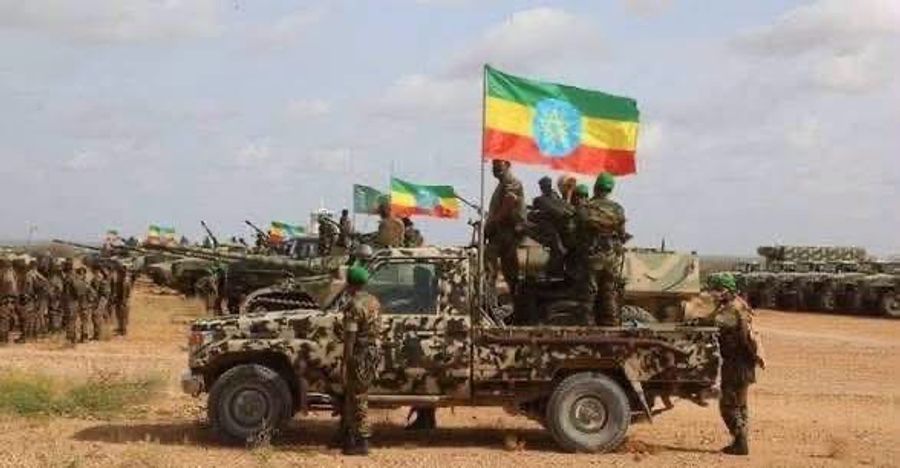
MOGADISHU, Somalia —October 22, 2026-Diplomatic relations between Somalia and Ethiopia have reportedly deteriorated amid growing political disagreements, escalating tensions over Southwest State, and competing regional security interests, raising fresh concerns about stability across the Horn of Africa.
The deterioration comes as Somalia faces mounting internal political divisions, particularly over the future of Southwest State and the political confrontation involving its leader, Abdiaziz Hassan Mohamed, widely known as Laftagareen, and the federal government in Mogadishu.
According to sources familiar with recent diplomatic discussions, several regional leaders have urged Somali President Hassan Sheikh Mohamud to prioritize political reconciliation, engage domestic stakeholders, and restore national consensus on security and counterterrorism operations.
Regional governments have reportedly warned that Somalia's political disputes risk undermining years of international efforts to rebuild its security institutions and strengthen the country's ability to confront Al-Shabaab.
The diplomatic tensions also come against the backdrop of broader competition involving Ethiopia, Egypt, and other regional powers seeking to influence political and security developments in the Horn of Africa.
Regional Leaders Urge Political Reconciliation
Sources familiar with the discussions say regional leaders recently advised President Mohamud that resolving Somalia’s internal political disputes should take precedence over unilateral political initiatives.
Several countries reportedly emphasized that their assistance to Somalia is intended to support institutional recovery, strengthen national security capabilities, and prevent further deterioration of state structures.
They warned that continued confrontation between the federal government and regional political actors could undermine those objectives.
Diplomatic efforts involving other regional governments to prevent Somalia’s domestic disagreements from damaging relations with Ethiopia have reportedly made little progress.
Addis Ababa is said to have rejected participation in initiatives it considers politically one-sided, particularly those involving Somalia’s internal federal-state disputes. These accounts have not been independently confirmed.
Meanwhile, Villa Somalia reportedly sought support from regional governments for its approach toward Federal Member States ahead of elections. Some governments, however, expressed reservations about endorsing a political process that could generate instability with consequences for neighboring countries.
Southwest State Crisis Intensifies as Laftagareen Forces Advance
The diplomatic tensions coincide with significant developments in Southwest State, where forces loyal to former regional President Abdiaziz Hassan Mohamed Laftagareen have expanded their territorial presence in Bay region.
The confrontation intensified in March 2026 when federal forces took control of Baidoa following disagreements over constitutional amendments, electoral arrangements, and the relationship between Mogadishu and regional administrations.
Laftagareen subsequently resigned, but his supporters rejected the political transition that brought Sheikh Adan Mohamed Nur Madobe to power with federal backing.
Since then, repeated armed confrontations have exposed the fragility of the political settlement.
In August and September, Laftagareen-aligned fighters launched attacks on Baidoa, resulting in casualties, civilian displacement, and renewed concerns about the city’s security.
More recently, his forces have reportedly captured several strategic locations across Bay region, including Qansahdheere and Buurhakaba, while also advancing into Berdaale, Diinsoor, and Awdiinle.
The territorial gains have increased pressure on federal forces defending Baidoa and raised the possibility of further confrontations around the regional capital.
The federal government has accused Laftagareen-aligned forces of cooperating with Al-Shabaab, allegations his camp has denied. The competing claims have not been independently established.
Egypt Summit Adds Another Dimension to Ethiopia Tensions
The latest diplomatic developments follow a significant regional summit held in Egypt on October 4, 2026, bringing together the leaders of Somalia, Egypt, Eritrea, and Sudan.
The four countries adopted the El Alamein Joint Declaration, emphasizing national sovereignty, territorial integrity, non-interference in domestic affairs, and closer coordination on regional security.
The summit also addressed Red Sea security, the Nile, regional stability, and the importance of cooperation among participating governments.
Although the declaration did not explicitly establish a military alliance against Ethiopia, the gathering was widely viewed in the context of longstanding disagreements involving Addis Ababa, particularly over Nile water management and access to the Red Sea.
Egypt and Ethiopia have remained divided over the Grand Ethiopian Renaissance Dam, while Ethiopia’s ambitions to secure maritime access have generated additional diplomatic sensitivities across the region.
Somalia’s participation in the four-country summit therefore carries considerable diplomatic significance, particularly as its bilateral relations with Ethiopia face renewed strain.
The leaders also agreed to establish a mechanism for continued consultations and follow-up on their commitments.
Ankara Agreement Faces Renewed Diplomatic Pressure
The apparent deterioration represents another challenge to the diplomatic progress achieved through the Türkiye-mediated Ankara Declaration of December 2024.
That agreement followed tensions triggered by Ethiopia’s maritime memorandum of understanding with Somaliland, which Somalia rejected as a violation of its sovereignty.
Under the Ankara framework, Somalia and Ethiopia reaffirmed respect for each other’s territorial integrity and agreed to pursue arrangements addressing Ethiopia’s maritime access under Somali sovereign authority.
The agreement initially helped ease tensions and created opportunities for renewed bilateral engagement.
However, Somalia’s internal political disputes, competing regional alliances, and disagreements over security cooperation now threaten to complicate that diplomatic understanding.
Ethiopia’s geographical proximity to Southwest State and its longstanding involvement in Somalia’s security environment make developments around Baidoa particularly sensitive.
Regional Security Concerns Grow
The political confrontation carries implications beyond the immediate dispute over Southwest State.
Somalia continues to confront Al-Shabaab, while its security institutions depend on cooperation among federal authorities, regional administrations, and international partners.
A prolonged internal confrontation could divert military resources, weaken counterterrorism coordination, and create additional vulnerabilities in areas already affected by insecurity.
Regional governments are reportedly concerned that supporting one side of Somalia’s domestic political confrontation could deepen divisions and produce consequences extending across national borders.
The immediate diplomatic challenge facing Mogadishu is therefore twofold: managing relations with Ethiopia while addressing the internal political disputes threatening Somalia’s federal system.