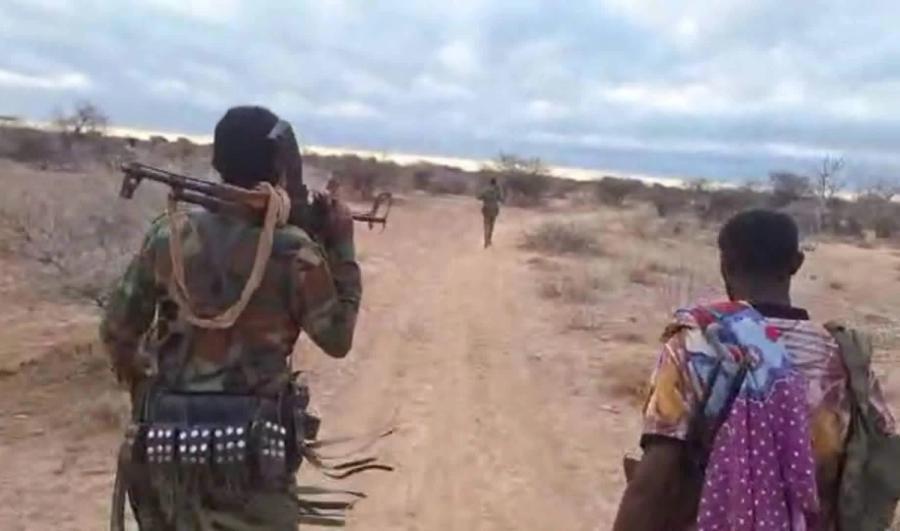
BAIDOA, Somalia — August 16, 2026 — Tensions rose sharply in and around Baidoa on Sunday as forces loyal to former South West State President Abdiaziz Hassan Mohamed “Laftagareen” reportedly mobilized on the city’s outskirts, prompting federal government-backed troops supporting Sheikh Aden Madobe to increase their military presence amid fears of a confrontation.
Local residents and security sources reported increased activity by Laftagareen-aligned forces in several locations outside Baidoa, including Ceeldoon, the Jidka Soddonka neighborhood and areas extending toward Abowsharow.
The number of fighters involved, their weapons and the purpose of the mobilization could not be independently verified. Neither Laftagareen’s representatives nor the Baidoa-based administration had released detailed information about the deployments by Sunday evening.
Federal government troops and regional forces aligned with Sheikh Aden Mohamed Nur “Madobe” responded by conducting military movements in and around Baidoa, according to local sources. Additional troop activity was reported during the night as security personnel reinforced positions and prepared for a possible attack.
Residents said the deployments had caused concern across the city, where the presence of rival armed groups has increased fears that the political dispute could escalate into violence.
Laftagareen continues to claim that he is the legitimate president of South West State. His supporters, who are based mainly outside Baidoa, have vowed to take control of the regional capital from forces they describe as “invaders from Mogadishu,” a reference to the Federal Government of Somalia and federal troops deployed in the city.
The statement represents the position of Laftagareen’s supporters and could not be independently verified as an indication of an immediate military operation.
Arrests Deepen Uncertainty
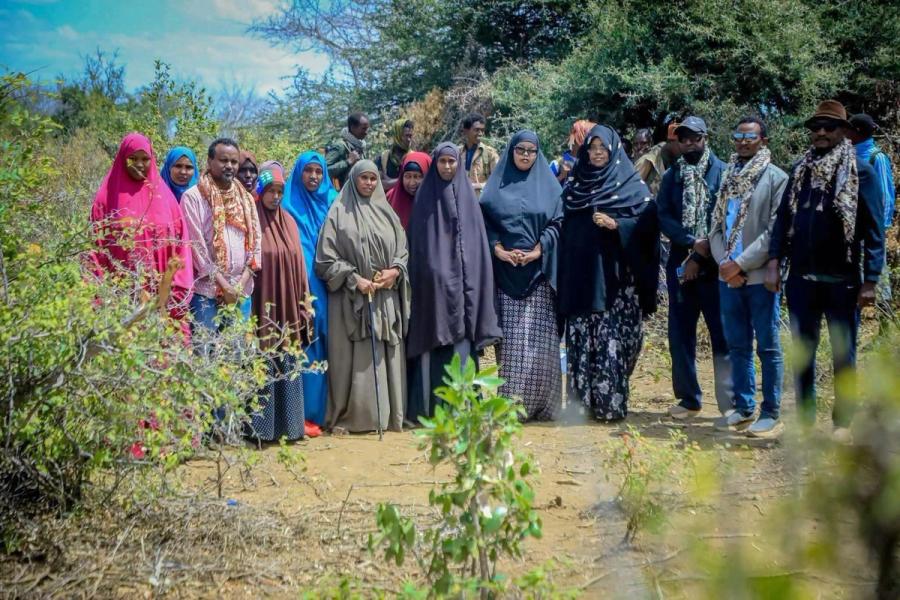
Tensions increased after federal government-aligned security forces reportedly arrested a group of women who had visited areas outside Baidoa and publicly expressed support for Laftagareen’s forces.
Local sources said the women were detained after returning from the outskirts of the city. Authorities have not publicly disclosed the accusations against them, their place of detention or whether they will face formal charges.
The reported arrests have added to uncertainty in Baidoa, particularly among residents concerned that political affiliations could lead to further detentions.
No casualties or armed clashes had been independently confirmed in connection with the latest troop movements by the time of publication.
Rival Administrations Claim Authority
South West State is currently claimed by two competing administrations, according to supporters of the rival political camps.
The administration operating from Baidoa is led by Sheikh Aden Madobe and supported by the Federal Government of Somalia and federal security forces. A rival administration led by Laftagareen operates mainly from areas outside the regional capital.
Both leaders claim political legitimacy, leaving Baidoa at the center of an unresolved dispute over control of the state government.
Laftagareen’s supporters accuse the federal government of forcibly removing him from office following disagreements over elections, the federal system and the future leadership of South West State. The federal government supports the Aden Madobe administration, which exercises authority inside Baidoa with the backing of federal troops.
The competing claims and military deployments have created parallel centers of political authority. There was no indication on Sunday that the two sides had opened direct negotiations to resolve the dispute.
The current confrontation follows a breakdown in relations between Laftagareen and federal authorities over the electoral process and the division of power between Somalia’s federal government and its regional member states.
Political disputes between Mogadishu and regional administrations have repeatedly centered on election schedules, constitutional authority and the federal government’s role in state-level leadership transitions.
In South West State, the disagreement has developed into a direct contest for political and territorial control. Laftagareen retains armed supporters outside Baidoa, while the Aden Madobe administration holds the regional capital with federal backing.
Baidoa is an important political, economic and humanitarian center in southwestern Somalia. Any fighting near the city could disrupt transport, trade and access to assistance for vulnerable communities living in Baidoa and surrounding displacement settlements.
The movement of rival forces raises the risk that a political dispute could turn into an armed confrontation. Fighting would threaten civilians and could weaken security operations in a region already facing militant violence and humanitarian pressures.
A prolonged standoff could also deepen tensions between the federal government and political groups opposed to its involvement in regional leadership disputes. It may further complicate efforts to build agreement on Somalia’s electoral and federal arrangements.
Military instability around Baidoa could affect roads connecting the city with surrounding districts, limiting the movement of food, commercial supplies and humanitarian assistance. Displaced families and low-income residents would be particularly vulnerable to any disruption.
Residents and community representatives are expected to watch for further troop deployments, arrests or attempts by political and traditional leaders to mediate between the two sides.
The immediate situation will depend on whether the rival forces maintain their current positions or move closer to Baidoa. Without negotiations, local sources warn that continued mobilization could increase the possibility of clashes.
Federal authorities and the two rival South West political camps had not announced a formal dialogue or de-escalation agreement by Sunday evening. Residents have called for restraint and a peaceful settlement to prevent the political crisis from placing civilians at risk.