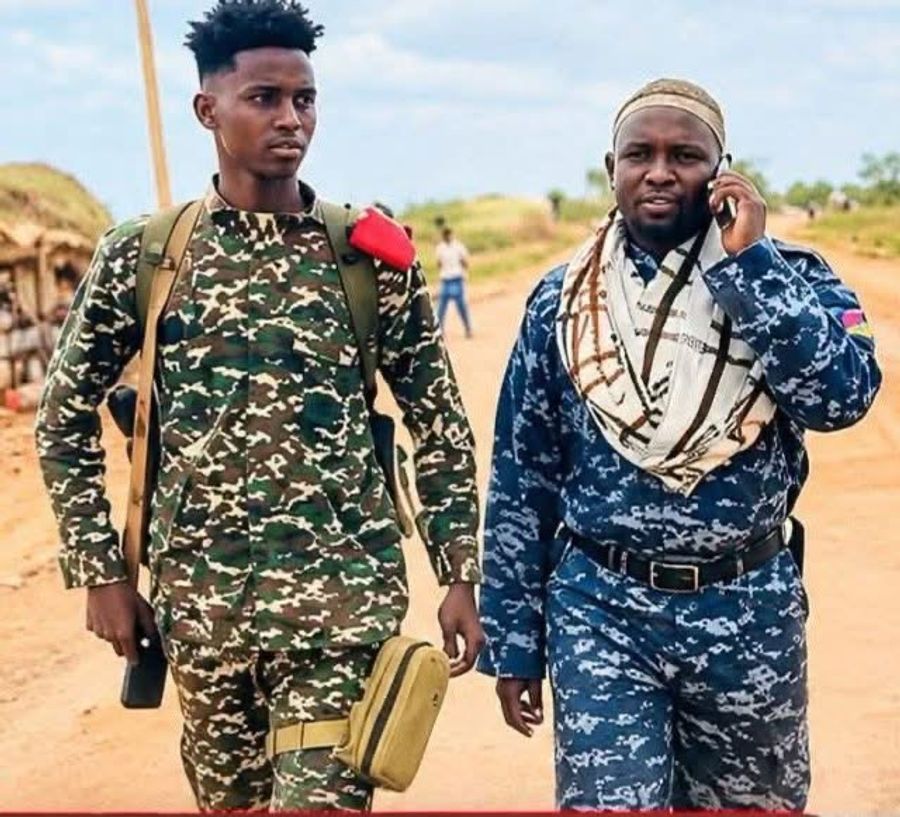
BAIDOA, Somalia — September 17, 2026 — The deputy commander of the South West State Special Police in Buurhakaba district has reportedly joined forces loyal to Abdiaziz Hassan Mohamed “Laftagareen” and moved with troops to the outskirts of Baidoa, local security sources said, in a development that could deepen an already tense political and security dispute in Somalia’s Bay region.
The commander, Adan Ibrahim Adan, known as “Bakey,” left Buurhakaba with troops under his command and was later received by Laftagareen-aligned forces outside Baidoa, according to the sources.
The sources said forces loyal to Laftagareen travelled from positions near Baidoa to escort Bakey and his men after they departed Buurhakaba district. The precise number of troops who moved with the commander was not immediately known.
Bakey is described by local security sources as the deputy commander of the South West State Special Police, commonly known as Birmadka, in Buurhakaba. He previously served as commander of South West State Darawish forces in the district before the unit became known locally as the Birmadka Special Police, the sources said.
There was no immediate public statement from Bakey explaining his decision, and it was not clear whether he had formally resigned from his position before joining the Laftagareen-aligned camp.
Officials in Buurhakaba, Baidoa and the Laftagareen camp had not issued an official statement by the time of publication. The reports could not immediately be independently verified.
Troops Reportedly Positioned Outside Baidoa
Security sources said Bakey and the troops accompanying him are now stationed in areas on the outskirts of Baidoa, the administrative capital of South West State.
The movement is being closely watched because Baidoa remains at the centre of a political dispute between rival groups claiming authority and influence in South West State. The city has also seen a heightened security presence in recent weeks as both sides mobilised supporters and forces in Bay region.
Laftagareen-aligned forces have maintained positions outside Baidoa, while authorities operating inside the city have relied on local security units and allied forces to maintain control, according to local residents and security contacts.
The reported arrival of a serving or former deputy commander from Buurhakaba could provide Laftagareen’s camp with additional personnel, local knowledge and a potential link to security structures in one of Bay region’s strategic districts.
Authorities aligned with the administration in Baidoa had not publicly responded to the reported move by the Buurhakaba deputy commander.
South West State security officials have previously faced pressure to preserve unity within local security forces as political divisions have widened. The Birmadka Special Police and other regional forces have played an increasingly visible role in maintaining security in Baidoa and surrounding areas during the current tensions.
Community leaders in Bay region have urged rival political actors to avoid actions that could trigger armed confrontation or disrupt daily life for civilians. Residents in Baidoa and Buurhakaba remain concerned that further troop movements could affect road access, trade and civilian security.
Buurhakaba lies northeast of Baidoa and is an important district in Bay region because of its location along routes linking Baidoa to other parts of south-central Somalia. Control of roads and security positions around the district can carry political and military importance during periods of instability.
The latest reports follow a series of developments involving commanders and forces aligned with competing political camps in South West State.
In recent weeks, Commander Sandheere, who had been regarded as an influential figure among forces supporting the Baidoa-based administration, was reported to have left Baidoa for Buurhakaba after disagreements with officials. His departure highlighted concerns about divisions within security structures at a time when political tensions were already high.
After Sandheere’s departure, the Baidoa-based administration announced the appointment of Major Mustaf Ahmed Mohamed, also known as Malaaq Guudow, as the new commander of the South West State Special Police. The appointment was seen by local observers as an effort to prevent a leadership vacuum and retain control over the regional security force.
Laftagareen, who has described himself as the legitimate leader of South West State, has called on the African Union Support and Stabilization Mission in Somalia, known as AUSSOM, and other outside actors to remain neutral in the dispute.
His camp has rejected allegations linking its forces to al-Shabaab and has said it is seeking to restore what it calls legitimate authority in South West State. Rival authorities in Baidoa have accused Laftagareen-aligned groups of threatening stability, though the competing claims have not been independently verified.
The Federal Government of Somalia and regional political actors have faced repeated disputes over the status of South West State’s leadership, the control of security institutions and the timing and credibility of political processes. Those disagreements have at times drawn in local clan leaders, security commanders and civil society figures.
Baidoa hosts a large population of displaced people, including families who fled drought, flooding, inter-clan violence and attacks by al-Shabaab in different parts of south-central Somalia.
Bakey’s reported move is significant because it suggests that divisions within South West State’s security structures may be widening. A commander moving with troops from Buurhakaba to the outskirts of Baidoa could affect the balance of influence between rival camps, even if the number of forces involved remains unclear.
The development may also increase pressure on leaders in Baidoa to reinforce loyalty within their security forces and engage with political opponents before tensions worsen.
Security sources say the situation outside Baidoa remains tense but calm.
For now, the reported movement of the Buurhakaba deputy commander underscores the fragile state of security and politics in Bay region, where rival leaders continue to compete for authority while residents await a peaceful resolution.