MOGADISHU, Somalia — September 6, 2026 — Ethiopia and Kenya have conveyed serious concerns to Somalia’s federal government following disputed explosions in Doolow, diplomatic sources said, warning that an escalation of Somalia’s political conflicts in sensitive border areas could weaken regional security cooperation and the campaign against Al-Shabaab.
The reported messages were delivered through official diplomatic channels, according to sources familiar with communications received by officials at Somalia’s Ministry of Foreign Affairs.
Neither Ethiopia nor Kenya has publicly confirmed sending the warnings. Somalia’s federal government has also not publicly acknowledged receiving them.
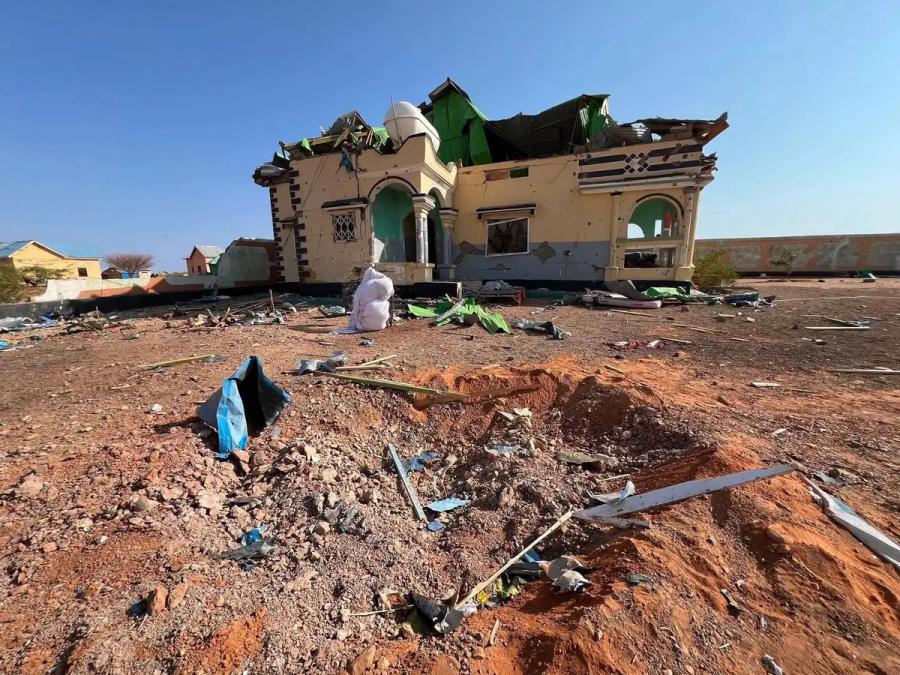
The diplomatic engagement follows explosions reported in Doolow, a strategic town in Somalia’s southern Gedo region, during the night of September 3 and the early hours of September 4.
Jubbaland authorities alleged that Turkish-operated military aircraft carried out drone strikes targeting the residence of Brigadier General Mahad Abdirahman Aden, widely known as Taliye Shub, a former commander of the Somali Custodial Corps.
The regional administration said another projectile struck or landed near the residence of Doolow District Commissioner Mohamed Hussein Abdi.
Conflicting accounts of Doolow explosions
Jubbaland said General Aden and four other civilians were injured in the incident. Other initial reports said members of his family were among those inside the compound when the explosions occurred.
The casualty figures and circumstances of the explosions have not been independently verified.
Somalia’s federal government rejected allegations that it was responsible for an airstrike. Federal officials said preliminary information obtained by security agencies indicated that the explosion at General Aden’s residence originated from explosive materials allegedly being assembled or stored inside the property.
The government has not publicly released evidence supporting that account.
Jubbaland disputed the federal explanation and accused Mogadishu and Türkiye of using military force against political opponents. It called for international scrutiny of Türkiye’s military activities in Somalia.
Türkiye had not issued a public response to the allegations at the time of publication. No independently verified evidence has established which aircraft, if any, carried out the reported attack or who authorised it.
Ethiopia and Kenya raise security concerns
According to the diplomatic sources, Ethiopia warned that military escalation in Somalia’s border regions could endanger regional stability and disrupt security coordination against armed groups, particularly Al-Shabaab.
Addis Ababa was also reported to have cautioned that political disagreements between Somalia’s federal government and its member states should not be allowed to reverse gains made through regional counterterrorism cooperation.
The sources said Kenya raised similar concerns and joined calls for Somalia’s leaders to exercise restraint, act responsibly and resolve political disputes through dialogue.
They did not disclose whether Nairobi and Addis Ababa delivered identical messages or proposed specific measures. No official statement has been released by either government detailing its position on the Doolow incident.
Ethiopia and Kenya both share long borders with Somalia and have significant security interests in Gedo and other frontier regions. Their forces have served in African Union missions supporting Somalia’s campaign against Al-Shabaab.
Doolow lies close to the Ethiopian border and is part of the wider Mandera Triangle linking Somalia, Ethiopia and Kenya. The town is also an important centre for cross-border trade, humanitarian operations and assistance to displaced communities.
Instability in the area could disrupt civilian movement, aid delivery, intelligence-sharing and security operations across the three countries.
Doolow and the wider Gedo region have repeatedly become points of confrontation between Somalia’s federal government and Jubbaland.
The two sides have disputed control of local administrations, airports, border crossings and security forces. Mogadishu and Jubbaland President Ahmed Mohamed Islam, commonly known as Ahmed Madobe, have also clashed over elections, constitutional changes and the distribution of federal authority.
Relations deteriorated further after Jubbaland withdrew from federal consultation processes and accused Mogadishu of interfering in its internal political affairs. The federal government, in turn, has challenged decisions taken by the Jubbaland leadership.
Similar federal and regional tensions have emerged in South West State. Federal forces and fighters aligned with former regional president Abdiaziz Hassan Mohamed Laftagareen have reportedly clashed around Baidoa, intensifying fears that political disagreements are becoming militarised.
General Aden has also been linked in local reports to political and security developments involving South West State, adding another layer of sensitivity to the incident in Doolow.
Diplomatic sources said regional governments could make decisions in the coming weeks that may affect security cooperation with Somalia, particularly in strategically sensitive border areas. They did not identify the measures under consideration.
Ethiopia and Kenya are expected to continue urging Somali leaders to avoid further military escalation and seek a negotiated solution to disputes between the federal government and regional administrations.
Any formal diplomatic response may depend on whether independent evidence emerges about the cause of the Doolow explosions and the identity of those responsible.
The Doolow incident risks expanding a domestic political confrontation into a regional security dispute. Ethiopia and Kenya depend on cooperation with Somali federal and regional forces to monitor border movements, exchange intelligence and prevent Al-Shabaab attacks.