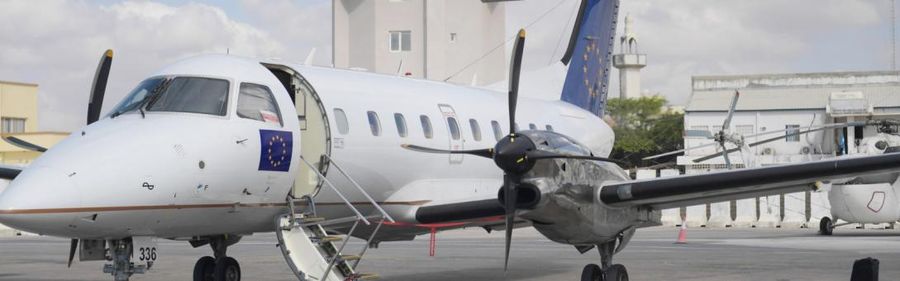
MOGADISHU, Somalia — July 25, 2026 — The European Union (EU) is set to suspend its chartered flights connecting Mogadishu and Nairobi, services mainly used by diplomats and senior international personnel, with the final flight expected on August 13, according to sources familiar with the decision. The suspension follows declining passenger demand after staff reductions among UN agencies and international NGOs operating in Somalia.
The European Union is preparing to end its dedicated charter flight service between Somalia and Kenya, according to multiple sources familiar with the matter, marking a major change in air transport arrangements used by international organizations operating in Somalia.
The final EU charter flight is expected to leave on August 13, after which international staff and officials will no longer have access to the dedicated service that has connected Mogadishu with Nairobi.
Sources said the suspension is linked to several factors, including a significant decline in passenger numbers following job cuts among United Nations agencies and international non-governmental organizations (INGOs) working in Somalia.
According to sources familiar with the situation, funding shortages affecting international organizations have forced several agencies to reduce staffing levels, resulting in fewer employees requiring regular travel between Somalia and Kenya.
The EU flight service was reportedly the last remaining dedicated charter operation after previous flights operated by UN agencies and other international bodies were discontinued.
The United Nations Humanitarian Air Service (UNHAS), which has provided transportation support for humanitarian workers and international personnel in Somalia, has also suspended its operations connecting Somalia and Kenya, according to sources.
Reasons Behind the Flight Suspensions
Sources said the decline in passenger demand has been a major factor behind the decision to suspend the flights.
Many international staff members who previously relied on charter services have reportedly left Somalia following reductions in humanitarian and development programs linked to funding shortages.
The United Nations and international NGOs have faced increasing financial pressures in recent years due to reductions in donor funding, forcing some organizations to restructure operations, reduce activities, and cut staffing levels in several countries, including Somalia.
The decrease in the number of international personnel based in Somalia has reduced the need for frequent dedicated flights between Mogadishu and Nairobi, according to sources.
Security concerns and operational challenges in Somalia are also considered factors in how international organizations manage staff movement and travel arrangements.
Impact on International Operations
The suspension of EU and UNHAS flights is expected to affect diplomats, humanitarian workers, development officials, and other international personnel who depend on secure transport links between Mogadishu and Nairobi.
For years, Nairobi has served as a regional hub for many international organizations working in Somalia, with regular movement of staff, supplies, and officials between the two cities.
The dedicated flights provided an alternative to commercial aviation, offering scheduled transport options for personnel operating in Somalia’s challenging security environment.
Aid workers and international staff may now need to rely more heavily on commercial airlines or alternative travel arrangements following the suspension of charter services.
Somalia’s Federal Government has not issued an official statement regarding the reported suspension of EU and UNHAS flights.
Authorities have continued to encourage international partners to maintain their operations in Somalia, where humanitarian and development organizations provide assistance across multiple regions.
International organizations have also not publicly announced detailed explanations regarding the long-term impact of the flight suspensions.
Mogadishu and Nairobi have long been connected through regular humanitarian and diplomatic travel routes because Kenya hosts many regional offices of international organizations working in Somalia.
UNHAS has historically played a significant role in supporting humanitarian operations by transporting aid workers to locations that are difficult to access through commercial aviation.
The EU has also maintained dedicated travel arrangements for its personnel, diplomats, and partners involved in Somalia-related programs.
However, international aid operations in Somalia have faced increasing financial challenges as global humanitarian funding has declined. Several organizations have been forced to review budgets, reduce programs, and adjust staffing structures.
Somalia continues to face major humanitarian and security challenges, including armed conflict, displacement, and climate-related crises, while relying heavily on support from international partners.
Sources said affected international personnel have been advised to complete necessary travel arrangements before the final scheduled EU flight on August 13.
Organizations operating in Somalia are expected to review alternative transportation options for staff movement between Somalia and Kenya.
Further announcements from the EU, UN agencies, or humanitarian organizations are expected as they finalize future travel arrangements.
The suspension of dedicated flights highlights the broader impact of funding pressures facing international organizations operating in Somalia. Reduced staffing levels and lower operational budgets are affecting not only aid programs but also logistical systems that support foreign personnel.
For humanitarian agencies, reliable transportation remains essential for reaching communities affected by conflict, drought, displacement, and other emergencies. Changes to air services could increase logistical challenges for organizations working in remote areas.