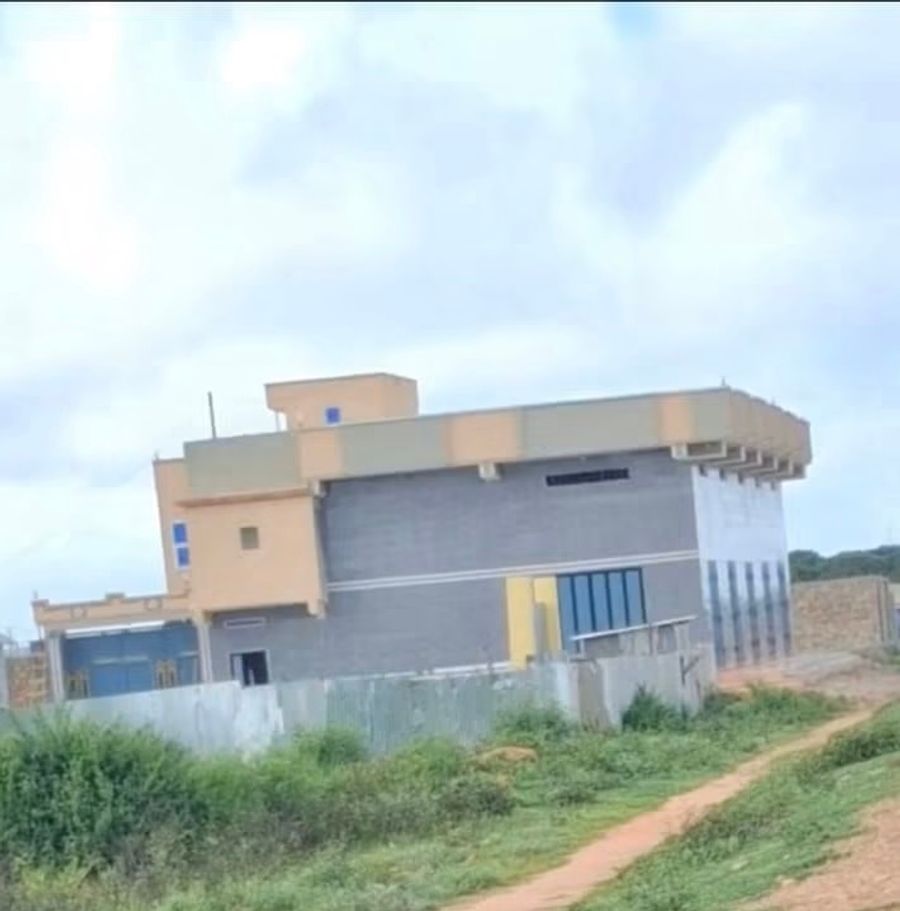
BAIDOA, Somalia — October 28, 2026-Tensions are mounting in Baidoa, the administrative capital of Somalia’s South West State, following reports that government security forces have deployed armed personnel to rooftops across residential neighbourhoods, establishing defensive positions amid fears of another attack by Darwish forces loyal to Abdiaziz Hassan Mohamed Laftagareen.
The reported rooftop deployments come as Baidoa faces an increasingly volatile security situation following months of armed confrontations between Somali federal forces, the Mogadishu-backed South West State administration and fighters seeking to restore Laftagareen’s authority.
The developments follow renewed clashes on October 26 near Burijeed, on Baidoa’s southern outskirts, along the strategic road connecting the city to Mogadishu. Government-aligned forces and Laftagareen loyalists exchanged heavy fire, with both sides claiming battlefield successes.
Renewed Fighting Threatens Baidoa
Baidoa has become the centre of an increasingly militarised struggle for political authority in South West State.
On October 26, fighting erupted as government security forces strengthened defensive positions near Burijeed. Officials from the federal-backed administration described the military activity as an operation intended to restore government authority in contested areas.
However, commanders loyal to Laftagareen claimed their forces had resisted the government offensive and forced federal troops to withdraw towards Baidoa.
The confrontation followed earlier major clashes in August and September, when opposition forces repeatedly challenged federal control of the city.
The latest reports of armed personnel occupying residential rooftops have raised particular concerns about civilian safety. If fighting resumes inside the city, defensive positions near homes could expose residents to crossfire and increase the risk of damage to civilian property.
Root Causes of the South West State Crisis
The current confrontation stems from a prolonged political dispute over regional leadership, constitutional reforms, electoral arrangements and the distribution of authority between Somalia’s federal government and its member states.
Relations between President Hassan Sheikh Mohamud’s administration and Laftagareen deteriorated sharply in early 2026 amid disagreements over the federal government’s constitutional and electoral agenda.
Laftagareen opposed aspects of the reforms and moved ahead with a regional presidential election, securing another term in March. Mogadishu rejected the political process, deepening a confrontation that ultimately developed into an armed struggle.
On March 30, federal forces entered Baidoa and removed Laftagareen’s administration from power. He subsequently left the city, while the federal government supported the establishment of a replacement regional administration.
In June, a new South West State administration under President Adan Mohamed Nur Madobe assumed office with federal backing.
However, Laftagareen and his supporters rejected the legitimacy of the transition, accusing Mogadishu of undermining regional autonomy and interfering in the constitutional authority of South West State.
The federal government, meanwhile, has defended its intervention and military operations as necessary to maintain security, protect the recognised regional administration and prevent armed groups from destabilising Baidoa.
These competing claims have transformed a dispute over governance and elections into a prolonged military confrontation.
Strategic Roads and Territorial Control
The struggle is no longer confined to Baidoa itself.
In mid-October, Laftagareen-aligned forces captured Buur Hakaba, a strategically important town along the main road linking Baidoa with Mogadishu.
The territorial gains threatened government supply routes and increased pressure on federal forces stationed in the regional capital.
Control of surrounding districts and transport corridors is critical because Baidoa depends on road connections for commercial supplies, military movements and humanitarian assistance.
The loss of key access routes has also complicated efforts by the federal-backed administration to consolidate its authority beyond the city.
Security analysts warn that opposition forces could seek to isolate Baidoa rather than attempt an immediate full-scale assault, potentially creating conditions for prolonged fighting and economic disruption.
Civilians Face Growing Humanitarian Risks
The deteriorating security environment is particularly concerning for Baidoa’s civilian population, including large communities displaced by drought, insecurity and conflict.
Previous fighting has already caused significant civilian suffering.
During clashes on September 28, medical teams at Bay Regional Hospital received 69 patients affected by the violence, including five children, according to humanitarian reporting. Three deaths were also reported, including a healthcare worker.
Earlier confrontations in August and September similarly resulted in deaths, injuries and disruption to essential medical services.
Humanitarian organisations have warned that fighting near residential neighbourhoods, hospitals and major roads can severely restrict access to emergency treatment.
Further escalation could also disrupt markets, schools, transport services and the delivery of humanitarian supplies to vulnerable households.
Al-Shabaab Threat Complicates the Crisis
The political confrontation is unfolding alongside the continuing threat posed by al-Shabaab, which remains active across parts of Bay, Bakool and Lower Shabelle.
Federal and regional authorities have accused Laftagareen-aligned fighters of cooperating with the militant organisation, allegations strongly rejected by the former president’s supporters and not independently established.