MOGADISHU, Somalia — August 12, 2026 — Somalia’s federal government has failed to secure control of Doolow despite a two-year political and security campaign in the Gedo region, according to sources familiar with the dispute, while its allies face growing pressure around Beled Hawo near the Kenyan border.
Federal authorities have repeatedly sought to persuade Doolow district commissioner Mohamed Hussein Abdi, widely known as Mohamed Lafey, to cooperate with Mogadishu’s attempt to establish direct authority over the strategically important border district, the sources said.
Villa Somalia reportedly asked the Ethiopian government on more than six occasions to mediate between federal officials and Lafey. The federal government also allegedly offered financial incentives worth millions of dollars to secure his cooperation.
Neither the Somali federal government nor Ethiopian authorities have publicly confirmed the reported mediation requests or financial offers. Lafey could not immediately be reached for comment.
Federal officials reportedly regarded Lafey as one of the leading figures behind local resistance to Mogadishu’s takeover efforts. He has previously accused federal authorities of attempting to undermine Jubaland’s administration and destabilize Doolow, allegations the federal government has not publicly addressed.
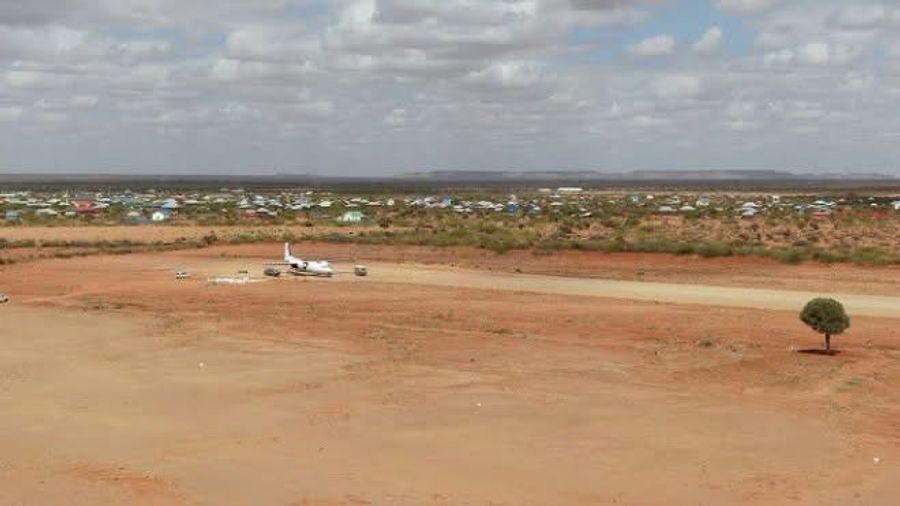
Doolow occupies a sensitive position near Somalia’s borders with Ethiopia and Kenya. Its airport, cross-border routes and proximity to humanitarian operations make control of the district politically, economically and strategically important.
Janan Acknowledges Pressure Near Mandera
Abdirashid Hassan Abdinur, better known as Abdirashid Janan, said Tuesday that he and his allies had effectively been confined to the narrow area between Doolow and Mandera.
Janan described the situation as resembling imprisonment, an acknowledgment that appeared to underline the limited territorial reach of forces aligned with the federal government in that part of Gedo.
His comments came amid reports that Mogadishu’s allies were losing influence in Beled Hawo, another strategic border town south of Doolow. The precise balance of control in and around Beled Hawo could not be independently verified.
Federal forces and Jubaland-aligned fighters have repeatedly contested Beled Hawo. In July 2025, federal troops allied with Janan took control of the town after clashes with Jubaland forces, according to local officials and residents cited by Somali media at the time.
The federal government had brought Janan into its campaign in Gedo after he previously served as Jubaland’s security minister and Doolow district commissioner. He surrendered to federal authorities in 2021 after falling out with Jubaland President Ahmed Mohamed Islam Madobe.
Doolow Airport Remains Restricted
Doolow airport remains inaccessible to regular civilian flights, according to Jubaland officials and local reports. Jubaland says the suspension has been in place since July 19, 2025, and has affected humanitarian assistance, medical travel and commercial activity.
Doolow is now reportedly the only airport where federal aviation restrictions targeting areas administered by Jubaland continue to be enforced.
Other airports and routes between Dhobley and Kismayo have reopened after local representatives resisted the restrictions, including politicians who oppose the federal government’s wider strategy in Jubaland.
Jubaland has described the restrictions as politically motivated. Federal aviation authorities have not publicly provided a detailed response to that allegation.
Regional officials say the continued closure has disrupted the movement of aid workers, patients and essential supplies. Doolow is an important humanitarian centre serving communities affected by drought, displacement and insecurity along the Somalia-Ethiopia border. Reports about the airport’s prolonged closure and its effects on aid and health services emerged publicly in June 2026.
Tensions between Mogadishu and Jubaland intensified after Madobe secured another term as regional president in November 2024. The federal government rejected the election, while Jubaland suspended cooperation with Mogadishu and accused President Hassan Sheikh Mohamud’s administration of interfering in regional affairs.
The dispute has since expanded into Gedo, where the federal government and Jubaland have competed for political authority, control of security forces and access to border crossings.
Doolow and Beled Hawo are particularly important because they connect Somalia with Ethiopia and Kenya. Control of the towns can affect trade, taxation, troop movements and humanitarian access.
Ethiopia also maintains significant security influence in the border area, making Addis Ababa an important actor in efforts to prevent confrontation between Somali federal and regional forces.
The federal government has not announced whether it will change its approach in Doolow or send additional forces to reinforce its allies near Beled Hawo.
Any new military deployment could raise the risk of clashes with Jubaland-aligned forces and place additional pressure on civilians living along the border. Negotiations involving local leaders, Jubaland, Mogadishu and neighboring governments remain a possible route toward reducing tensions.
The reopening of Doolow airport could also become part of future talks, particularly as humanitarian organizations warn that transport restrictions are affecting vulnerable communities.
The failure to secure Doolow would represent a setback for Mogadishu’s effort to extend direct federal authority across Gedo. It would also demonstrate the continuing influence of local leaders and regional administrations in areas where federal institutions have limited reach.