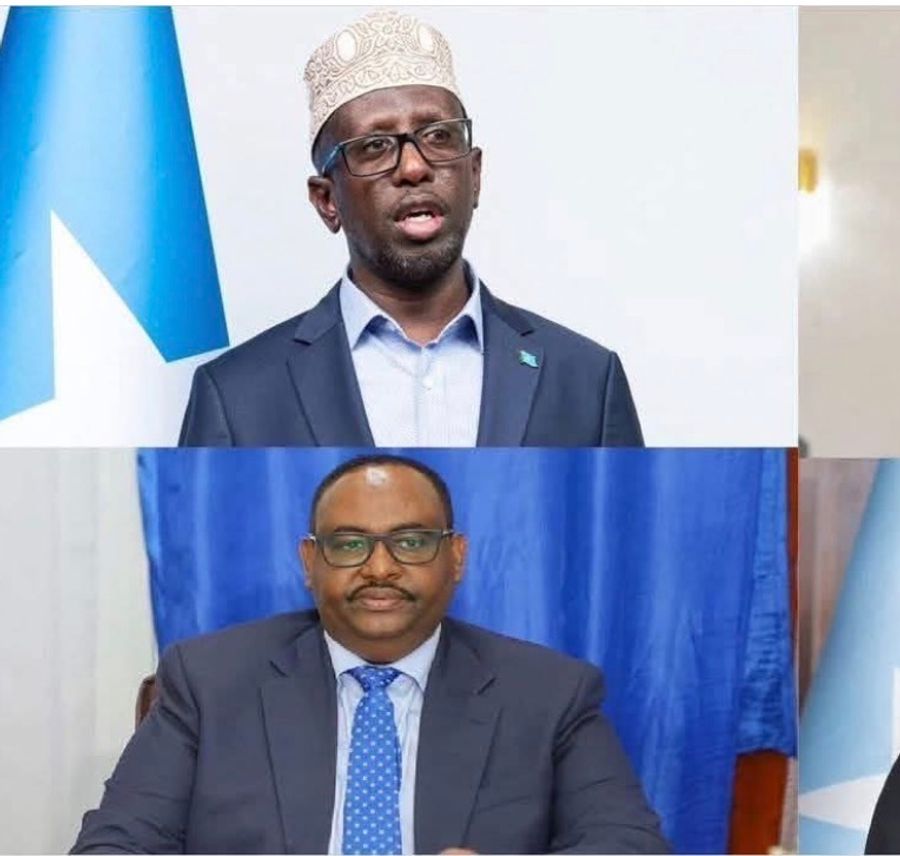
Friday , May 15, 2026 (Baidoa Online) -The Future Council of Somalia announced on Wednesday that negotiations with the Federal Government have collapsed, accusing President Hassan Sheikh Mohamud of rejecting proposals aimed at reaching a comprehensive political agreement on the country’s transition process.
The opposition coalition said discussions ended without an agreement after disagreements emerged over proposals that it described as necessary for managing Somalia’s political transition and addressing constitutional questions surrounding the country’s leadership.
According to the Council, the failure of the talks represents a setback for efforts to achieve a broad political settlement and establish a consensus-based framework for governance during a critical period in Somalia’s political process.
In a statement issued following the breakdown of the negotiations, the Future Council said it had proposed an inclusive transitional arrangement based on national consensus, political participation, and shared responsibility among key stakeholders.
According to the opposition bloc, the proposals were designed to create a comprehensive political agreement that would guide Somalia through the next phase of its governance process.
The Council alleged that President Hassan Sheikh Mohamud rejected the proposed framework during the negotiations. The group argued that the arrangement was intended to address what it described as a constitutional vacuum arising from the expiration of the President’s mandate on May 15, 2026.
The opposition coalition did not provide detailed information regarding specific provisions contained in the proposed agreement. However, it maintained that the initiative was aimed at avoiding political uncertainty and ensuring an agreed transition process.
Government officials had not immediately responded publicly to the latest claims made by the Future Council.
Opposition Position
According to the statement, opposition leaders said the collapse of the talks undermines efforts to build a broad political consensus among Somalia’s major stakeholders.
The Council stated that political dialogue remains essential for addressing disputes related to governance, constitutional arrangements, and future elections.
Opposition figures have repeatedly called for wider consultations involving political parties, federal member states, civil society groups, and other national actors before major political decisions are implemented.
The group argued that a consensus-based process would strengthen political stability and increase confidence in national institutions.
Government Position
The Federal Government has consistently defended its political reform agenda and has previously stated that electoral and governance reforms should proceed through constitutional and legal mechanisms.
Government officials have also maintained that Somalia’s democratic transition requires continued progress toward electoral reforms and stronger national institutions.
While the government has not yet issued a formal response to the latest statement from the Future Council, officials have previously emphasized the importance of preserving political stability and maintaining continuity in state institutions.
The latest dispute comes amid ongoing debates over Somalia’s electoral system, constitutional review process, and the future structure of governance.
For several years, Somali political stakeholders have differed on key issues including electoral models, constitutional amendments, power-sharing arrangements, and the timeline for political reforms.
Political negotiations between the Federal Government and opposition groups have frequently been used to resolve disagreements over governance and election-related matters.
Somalia has experienced several periods of political tension in recent years as leaders sought consensus on constitutional and electoral arrangements while confronting security challenges posed by Al Shabaab and broader state-building priorities.
Observers note that political agreements among major stakeholders have often played a significant role in reducing tensions and facilitating transitions during critical moments in the country’s political development.
The collapse of the talks leaves uncertainty regarding the next phase of engagement between the government and opposition groups.
Political observers say additional dialogue efforts could still emerge in the coming weeks if both sides seek renewed negotiations.
For now, neither side has announced plans for a new round of talks.
Attention is likely to focus on whether alternative mediation efforts, consultations, or political initiatives can help bridge differences and prevent further polarization among Somalia’s political actors.
The breakdown of the negotiations highlights continuing divisions within Somalia’s political leadership over the country’s governance and transition process.
Political consensus has historically played a central role in Somalia’s efforts to manage sensitive constitutional and electoral questions. The absence of agreement may complicate efforts to advance reforms and maintain political cohesion.
The dispute could also influence public confidence in political institutions and affect relations between the government and opposition groups during a period of significant political decision making.
How both sides respond in the coming days may shape the direction of Somalia’s political process and determine whether renewed dialogue remains possible.