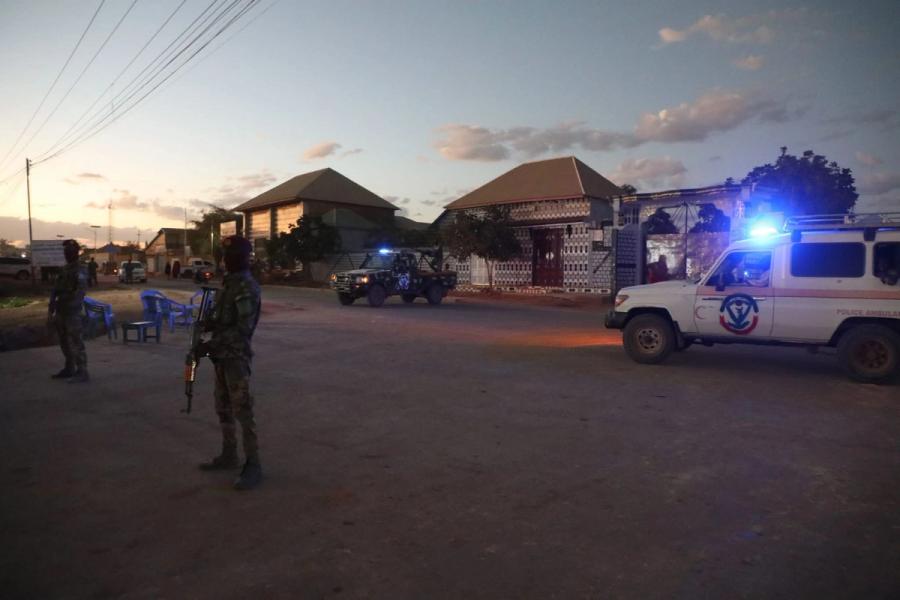
BAIDOA, Somalia — August 17, 2026 — Heavy fighting and powerful explosions were reported inside Baidoa on Monday morning as forces aligned with former South West State President Abdiaziz Hassan Mohamed “Laftagareen” battled federal government-backed troops defending the administration of Sheikh Aden Mohamed Nur “Madobe.”
Residents reported sustained gunfire and at least two powerful explosions across parts of the South West State capital. Local reports suggested the blasts may have been caused by mortar shells, but the type of weapons used, the locations of the impacts and any resulting casualties could not immediately be confirmed.
A spokesperson for the Laftagareen-aligned forces claimed that their fighters had entered Baidoa and captured several parts of the city. He described the offensive as a “fight for freedom” and called on residents to come forward and join the operation.
The spokesperson also said forces sent from Mogadishu would be defeated. In his statement, he used the term “Salbalaar” when referring to the federal government-backed forces. His claims about territorial advances and control of neighborhoods could not be independently verified.
Fighting Continues Inside Baidoa
Federal government-backed forces supporting Aden Madobe were reportedly resisting the assault as fighting continued in parts of the city. Reliable information from the affected neighborhoods remained limited because of the rapidly changing security situation.
Residents described a tense atmosphere marked by gunfire and explosions. It was unclear whether major roads, government buildings or military positions had changed hands.
Neither the federal government nor the Aden Madobe administration had released a detailed account of the fighting by the time of publication. No official information was available about the number of fighters involved or whether additional federal forces were being deployed.
Hassan Abdulkadir, the security minister in the South West State administration aligned with Laftagareen, separately called on Baidoa residents to welcome the advancing forces.
The appeals by Abdulkadir and the military spokesperson appeared to be part of an effort by the Laftagareen-aligned administration to rally public support. There was no independent evidence showing how residents had responded to the calls.
Casualties and Civilian Impact
No independently confirmed casualty figures were immediately available from either side. The extent of property damage also remained unknown.
The reported use of mortars and other heavy weapons inside a densely populated city has raised concerns about civilian safety. Continued clashes could force residents to leave affected neighborhoods and disrupt access to hospitals, markets and essential services.
Baidoa is a major humanitarian center that hosts large communities of internally displaced people. Many depend on humanitarian organizations for food, water, shelter and medical assistance.
Any prolonged disruption of roads or aid operations could increase pressure on vulnerable families in Baidoa and surrounding areas of the Bay region.
Political Dispute Behind the Fighting
The confrontation follows rising tensions over the leadership of South West State. Laftagareen and his supporters maintain that he remains the legitimate regional president, while Somalia’s federal government supports an administration led by Aden Madobe.
In the days preceding the fighting, local sources reported increased activity by Laftagareen-aligned forces around Baidoa, including near Ceeldoon, Jidka Soddonka and communities extending toward Abowsharow.
The number of fighters involved in those movements and the full objective of the mobilization were not independently established. Laftagareen’s supporters had threatened to challenge forces they described as having been sent from Mogadishu.
Federal and regional troops supporting Aden Madobe had also carried out military movements in and around Baidoa amid growing fears of an armed confrontation.
Baidoa has previously experienced political unrest related to regional elections, federal intervention and disagreements over the division of authority between Somalia’s central government and its federal member states.
Fighting inside Baidoa marks a serious escalation of the political dispute, shifting the confrontation from competing claims and military mobilizations to direct combat in the regional capital.
A prolonged battle could deepen political divisions between the federal government and Laftagareen’s supporters. It could also divert security personnel and resources from operations against Al-Shabaab, which remains active in parts of southern Somalia.
Civilians face the most immediate danger. Urban fighting involving mortars and other heavy weapons can cause casualties, displacement and extensive damage even when residential areas are not deliberately targeted.
The clashes could also affect trade and humanitarian operations because Baidoa serves as an important commercial and administrative center for southwestern Somalia.