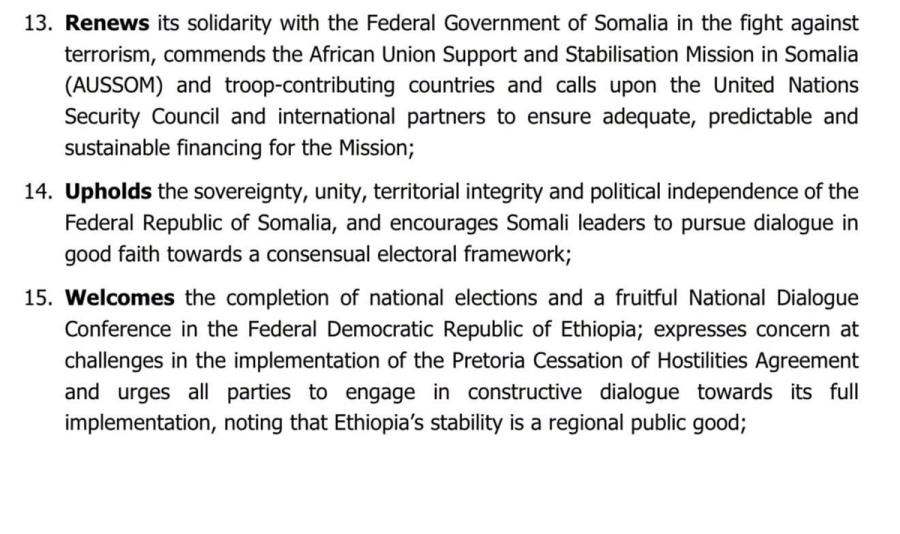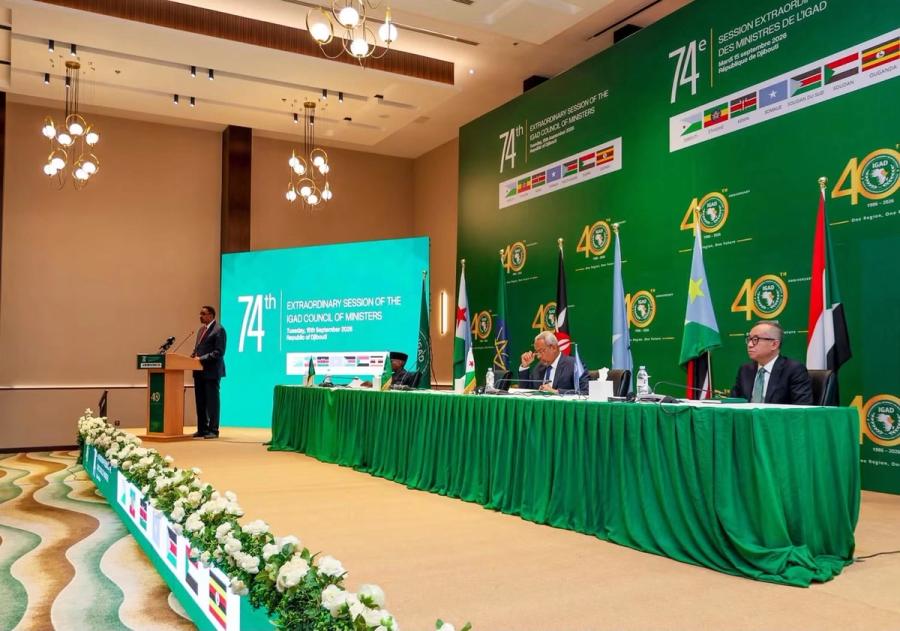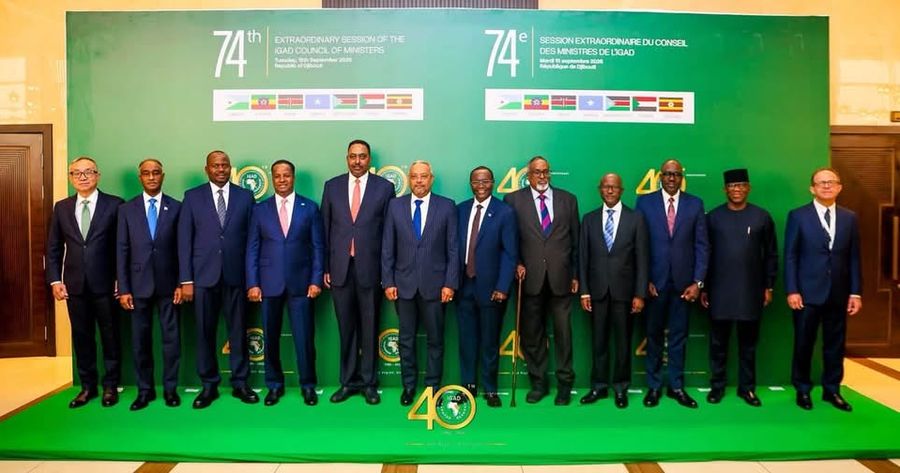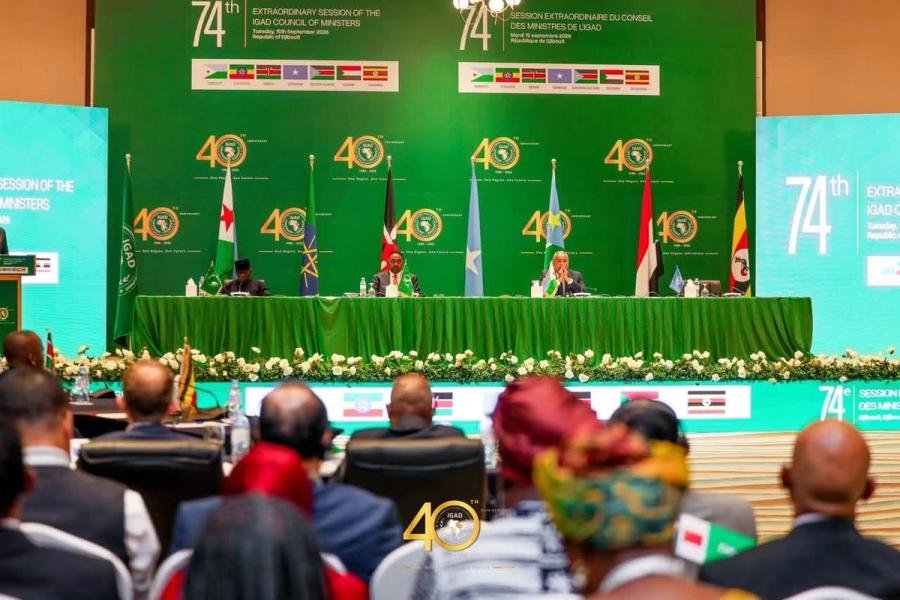
MOGADISHU, Somalia — September 16, 2026 — The Intergovernmental Authority on Development, IGAD, has called on the United Nations Security Council and international partners to ensure reliable long-term financing for the African Union Support and Stabilisation Mission in Somalia, AUSSOM, saying sustained support is needed to protect security gains and maintain stabilisation operations across the country.
In a communiqué issued after the 74th meeting of the IGAD Council of Ministers in Djibouti, the regional bloc renewed its solidarity with Somalia’s federal government in the fight against terrorism and commended AUSSOM and troop-contributing countries.
IGAD said the mission requires “adequate, predictable and sustainable financing,” placing renewed attention on the future of the African Union-led security presence as Somali forces and their international partners continue operations against al-Shabaab.
The communiqué said IGAD supports Somalia’s sovereignty, unity, territorial integrity and political independence, while encouraging Somali leaders to engage in good-faith dialogue toward a consensual electoral framework.
The call comes as debate over Somalia’s electoral system and the timing and format of future elections remains a major political issue. Somalia’s federal government, federal member states and opposition political actors have held differing positions on election arrangements, including the balance between direct voting and indirect electoral models.
IGAD did not prescribe a specific electoral formula. However, its appeal for a consensual framework underlines the regional body’s position that broad political agreement is necessary to reduce tensions and support stability in Somalia.
The regional bloc also called for continued backing for AUSSOM, the African Union mission that works alongside Somali security forces in efforts to counter al-Shabaab and support wider stabilisation objectives.
According to the communiqué, continued international support is needed to preserve gains made in Somalia’s security campaign and ensure the continuity of stabilisation operations. The statement linked the mission’s effectiveness to dependable financial support from the UN Security Council and international partners.
AUSSOM and its troop-contributing countries were commended by IGAD for their role in supporting Somalia’s campaign against terrorism. The mission operates in a complex environment where Somali forces are conducting military operations while government institutions seek to expand security and administrative control in areas affected by conflict.
AUSSOM Funding and Security Operations
The question of financing for African Union missions in Somalia has remained central to regional and international discussions for years. African Union forces have supported Somalia’s security institutions through successive missions, including AMISOM and ATMIS, before the establishment of AUSSOM.
The transition to AUSSOM was designed to continue support for Somali authorities while placing greater emphasis on stabilisation, institutional coordination and the gradual assumption of security responsibilities by Somali forces.
However, the mission’s operations depend on troop deployments, logistics, equipment, salaries, medical support and transport. Regional officials have repeatedly warned that uncertain or delayed funding can affect the ability of African Union forces to carry out their mandate effectively.
IGAD’s latest appeal calls for financing that is not only sufficient, but also predictable and sustainable. Such language reflects concerns that short-term funding arrangements can make it difficult for missions to plan operations, retain capacity and respond to security developments.
The communiqué did not provide details on the amount of funding sought, a proposed timetable, or any specific UN Security Council resolution. It also did not announce changes to the size or mandate of AUSSOM.
Somalia’s security situation remains heavily influenced by the insurgency waged by al-Shabaab, which continues to carry out attacks against security forces, government facilities, civilians and commercial targets. Somali forces, supported by local forces and international partners, have conducted military campaigns aimed at weakening the group’s presence in central and southern Somalia.
The continuation of those operations has made security coordination between Somali institutions, regional forces and international partners a central part of the country’s stabilisation effort.
Call for Somali Political Dialogue
IGAD’s appeal for dialogue on elections came alongside its reaffirmation of support for Somalia’s sovereignty and unity.
The bloc encouraged Somali leaders to pursue dialogue in good faith and to work toward an electoral framework accepted through consensus. The statement did not name individual leaders or political groups.
Political disagreements over electoral arrangements have previously contributed to delays, tensions and competing positions among Somalia’s leaders. Disputes have often focused on constitutional reforms, the powers of federal and regional institutions, electoral representation and the process for selecting national leaders.
The federal government has argued that Somalia needs a more direct and inclusive electoral system, while some political actors and regional leaders have called for broad agreement before major changes are implemented.
IGAD’s statement places the issue within a wider regional concern that political disputes can weaken efforts to address insecurity, humanitarian pressures and economic challenges.
A consensual electoral agreement could help create a clearer political path for Somalia’s institutions and reduce uncertainty around the next stages of the country’s electoral process. Failure to reach agreement, however, could deepen divisions among political stakeholders.
Sudan Ceasefire Appeal
The 74th IGAD Council of Ministers meeting also addressed the conflict in Sudan.
In its communiqué, IGAD called on the two sides in Sudan’s war to accept a ceasefire and enter into dialogue. The conflict, which began in April 2023 between the Sudanese Armed Forces and the Rapid Support Forces, has caused widespread displacement, humanitarian hardship and regional concern.
IGAD has been among the regional organisations seeking to support peace efforts and encourage negotiations between the parties. The bloc’s latest appeal reiterated the need for an immediate reduction in violence and a political process aimed at ending the conflict.
The war in Sudan has also affected neighbouring countries, including through refugee movements and disruptions to regional trade and security. Somalia and other IGAD member states have repeatedly called for a negotiated settlement.
Background to Somalia’s Security Transition
Somalia has relied on African Union peace support operations for nearly two decades as it rebuilt national institutions after years of conflict and state collapse.
African Union forces have helped Somali security forces protect major population centres, support military operations and secure key infrastructure. At the same time, Somali authorities have sought to build national forces capable of assuming greater responsibility for the country’s security.
The transition has been complicated by al-Shabaab’s continued ability to carry out attacks and maintain influence in some rural areas. It has also been affected by political disagreements, funding gaps and the logistical challenges of operating across a country with limited infrastructure.
International partners have supported Somalia through training, funding, intelligence cooperation and humanitarian assistance. IGAD’s call for predictable AUSSOM financing reflects concern that any major gap in support could affect the pace of security operations and stabilisation programmes.
The UN Security Council and international partners will be expected to consider the regional bloc’s appeal as discussions continue over financial support for African Union operations in Somalia.
For Somali leaders, IGAD’s statement adds regional pressure for dialogue on an electoral framework that can command broad political support.
The communiqué does not resolve the country’s security or political challenges. But it signals that IGAD views sustained AUSSOM support and a negotiated electoral consensus as closely connected to Somalia’s stability.
IGAD’s call highlights the continued dependence of Somalia’s security transition on reliable international financing. AUSSOM’s ability to support Somali forces, protect key areas and assist stabilisation efforts may be affected if funding becomes uncertain or insufficient.
The appeal for electoral dialogue is also significant because political disputes can divert attention and resources from the fight against al-Shabaab. A broadly accepted electoral framework could reduce tensions and support cooperation between federal and regional institutions.